

WeVote

Bill

Bill

A 9321

Relates to supervision by certain marriage and family therapists and mental health counselors

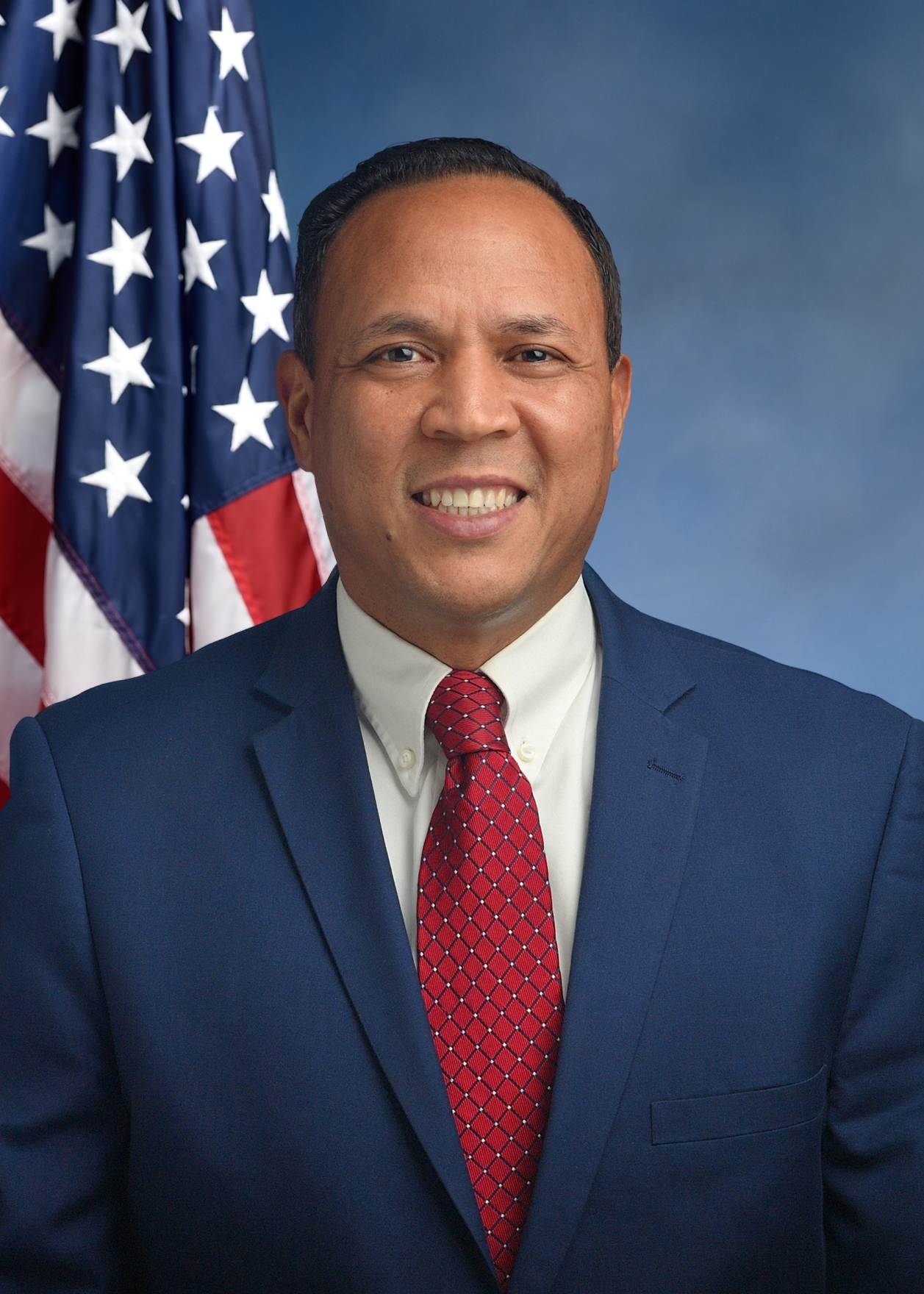
2025 Regular Session Introduced by George Alvarez and 74 co-sponsors

The bill sets minimum post‑master’s supervision hours and required qualifications for LMFT and LMHC supervisors, guiding who can supervise and how experience counts.

SUBSTITUTED BY S8899
0
WeVote Research Nonpartisan
Bill Summary · A 9321

Overview

bill A. 9321 (2025-2026, New York) relates to supervision by certain marriage and family therapists and mental health counselors. It amends education law provisions governing supervised post-master’s experience for licensure and supervision, adjusting eligibility criteria for who may supervise and the requirements they must meet.

Purpose and intent

  • To expand or clarify who is eligible to provide post-master’s supervision for licensed marriage and family therapists (LMFTs) and licensed mental health counselors (LMHCs).
  • To set minimum qualifications for supervisors, ensuring they have substantial experience and appropriate continuing education in clinical counseling supervision and ethics.
  • To allow flexibility in accepting supervised experience obtained in waivers or in good-faith settings where authorization may have been uncertain.

Key provisions and changes

  1. Supervision for LMFTs (Education Law § 8402, paragraph c, subdivision 3)

    • Minimum post-master’s supervised hours: 3,000 hours, satisfactory to the board.
    • A licensed and registered LMFT may provide post-master’s supervision if, at minimum, they:
      • Are licensed and registered for at least 3 years.
      • Have been awarded the diagnostic privilege set forth in § 84-01-a.
      • Have completed at least 3 semester hours or 36 hours of continuing education in clinical counseling supervision and professional orientation and ethics in mental health counseling (as determined by the department).
    • Satisfactory experience from entities with a department waiver under § 65-03-a may be accepted, even if obtained before the waiver took effect or before the entity obtained the waiver.
    • The department may accept additional satisfactory experience for good cause, including experience obtained in settings that would have qualified for a waiver or obtained in good faith under the belief appropriate authorization existed, provided all other requirements are met.
  2. Supervision for LMHCs (Education Law § 8403, paragraph c, subdivision 3)

    • Minimum client contact hours: either (a) 1,500 client contact hours of supervised clinical experience for those with a master’s or doctoral degree (or substantial equivalent) or (b) 1,500 client hours of supervised post-master’s clinical experience in LMFT supervision framework, satisfactory to the department.
    • A licensed and registered LMHC may supervise if, at minimum, they:
      • Are licensed and registered for at least 3 years.
      • Have been awarded the diagnostic privilege set forth in § 84-01-a.
      • Have completed at least 3 semester hours or 36 hours of continuing education in clinical counseling supervision and professional orientation and ethics in marriage and family therapy (as determined by the department).
    • Accepts satisfactory experience from entities under a waiver issued by the department under § 65-03-a, with the same caveats as above.
    • The department may accept additional satisfactory experience for good cause, including experience obtained in settings that would have qualified for a waiver or in good faith by the applicant under the belief that appropriate authorization had been obtained, provided all other requirements are met.
  3. Effective date

    • The act takes effect 120 days after becoming law.

Who would be affected

  • Licensed marriage and family therapists (LMFTs) who supervise post-master’s experiences.
  • Licensed mental health counselors (LMHCs) who supervise post-master’s experiences.
  • Applicants seeking licensure who rely on supervision hours to meet licensure requirements.
  • Supervisors and educational or clinical training entities that provide supervised experience, including waiver-listed entities under § 65-03-a.

Procedural and timeline considerations

  • The bill establishes qualifications and acceptable sources of supervised experience, potentially expanding or clarifying pathways for supervision.
  • It acknowledges waivers and allows prior experiences to be deemed acceptable under existing waiver provisions, with flexibility for good-cause determinations.
  • Effective date is 120 days after enactment; those counting supervision hours must align with the new standards once in effect.

Additional context

  • The bill is sponsored by a broad coalition of Assembly members and co-sponsors, indicating attention across multiple districts.
  • It aligns supervision standards with continuing education in clinical counseling supervision and ethics, ensuring supervisors have recent training in supervisory practices.

Compiled from official sources — confirm details with the bill’s official record.

Sign in to ask a question.