

WeVote

Bill

Bill

A 10787

Relates to service rendered by police officers in the agency police services unit

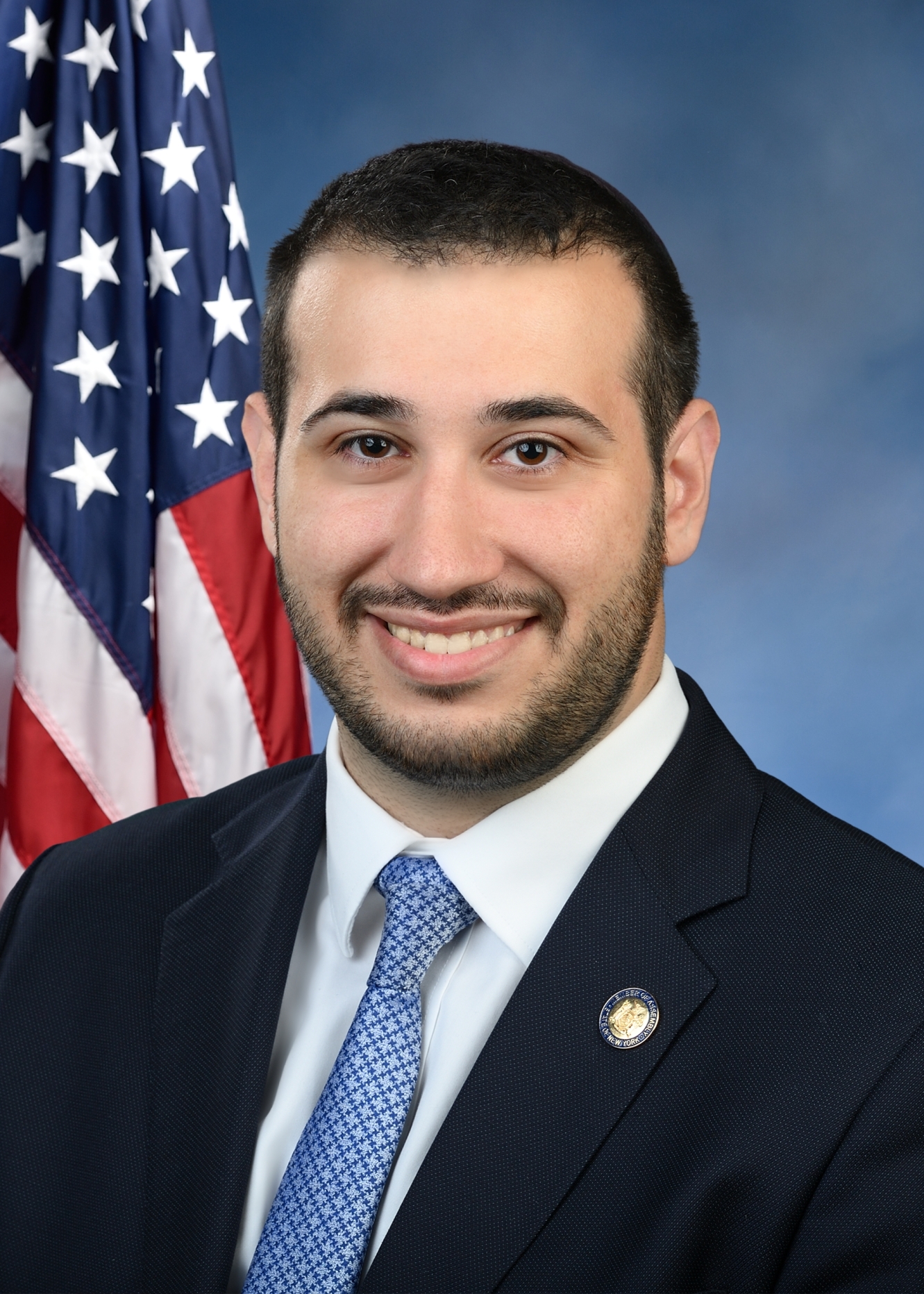
2025 Regular Session Introduced by Sam Berger and 27 co-sponsors

Expands RSSL § 381-b retirement coverage to environmental-conservation police and related university/regional park officers, standardizing police service credits under a single fra

REFERRED TO GOVERNMENTAL EMPLOYEES
0
WeVote Research Nonpartisan
Bill Summary · A 10787

Summary of New York Assembly Bill A. 10787 (2025-2026)

Title: Relates to service rendered by police officers in the agency police services unit

Jurisdiction: New York

Introduced: April 1, 2026
Sponsor: Assemblymember Pheffer Amato (with multiple co-sponsors)

Committee: Governmental Employees
Status: Referred to Governmental Employees

Effective Date: July 1, 2026

1) Main purpose and intent

  • The bill revises which public employee groups are covered by the provisions of Section 381-b of the Retirement and Social Security Law (RSSL). Specifically, it expands coverage to include certain law-enforcement personnel within environmental conservation-related agencies and units.
  • The goal appears to be aligning retirement benefits treatment for specific environmental conservation law enforcement personnel with other police and sworn officer groups already covered under RSSL § 381-b, potentially standardizing eligibility and credit rules across agencies.

2) Key provisions and changes

Section 1: Eligibility for § 381-b coverage

  • Section 381-b(a) is amended to add new eligible groups who may elect coverage under this section:
    • Police officers and investigative/sworn personnel in:
    • The Division of Law Enforcement within the Department of Environmental Conservation (non-seasonally appointed sworn members), including forest rangers (title series I-III), assistant superintendent of forest fire control, superintendent of forest fire control, and any successor titles.
    • The Department of Environmental Conservation police officers.
    • The Regional State Park Police.
    • University police officers.
  • For each new group, the bill maintains or mirrors the existing election mechanics (an election filed with the Comptroller by a specified deadline in the past, though actual past deadline references appear to be historical from existing law). The exact historical dates in the text reference older election windows; the practical effect is to designate these groups as covered under RSSL § 381-b going forward.

Section 2: Credit for previous police service (§ 381-b, subdivision c; plus new subdivision h)

  • The bill preserves and clarifies the framework for earning creditable service:
    • (1) Credit for police service: Explicitly confirms full credit for service rendered as police officers or other law-enforcement positions within state and local police systems, waterfront commissions, and related police forces when transitioning to RSSL coverage.
    • (2) State University Police Officer service: Retains a provision that certain university police officers may receive additional service credits after meeting age, service, and training criteria (existing language retained and aligned with new coverage).
    • (3) Credit for non-environmental conservation law enforcement service: Keeps full credit for previously credited service in environmental conservation law enforcement roles (forest rangers, conservation police, regional park/university police officers, etc.).
  • (2) The bill states that creditable service under this subdivision shall be creditable under any other section of the RSSL (ensuring cross-compatibility of benefits).

  • (h) The provisions of this section shall be controlling, notwithstanding any contrary provision.

3) Who would be affected

  • Police officers and sworn personnel in:
    • Department of Environmental Conservation (non-seasonal sworn members, forest rangers, and related titles)
    • Department of Environmental Conservation Police
    • Regional State Park Police
    • University Police Officers
  • In addition to the current covered groups, these changes would bring these environmental-conservation law-enforcement personnel under RSSL § 381-b, with associated rights and obligations for retirement credit.

4) Procedural and timeline aspects

  • Effective date: July 1, 2026.
  • Financial implications (fiscal note):
    • The bill would move 10 affected members from Article 14 to RSSL § 381-b, potentially affecting their eligibility for higher-tier retirement benefits (superior benefits under Article 11) and increasing annual state contributions.
    • Estimated state cost: approximately $10 million per year starting in Fiscal Year Ending 2027, with initial past-service cost of about $90 million (one-time) due to the transition.
    • The long-term costs are projected to average about 4.9% of salary, with near-term incremental costs rising from 25.6% to 32.3% of salary (Tier 6 participants) in the near term.
    • Assumptions for these estimates are based on 1,233 affected members with combined annual salaries around $134 million (as of March 31, 2025).
  • The bill includes actuarial and fiscal notes prepared by the NYSLRS Chief Actuary, indicating a one-time past-service cost and ongoing annual employer contribution increases.

5) Summary assessment

  • The bill is a substantive retirement benefits reform aimed at expanding RSSL § 381-b coverage to environmental-conservation police and related university/regional park police officers.
  • It aims to standardize retirement credit treatment across police and law-enforcement agencies, adding new groups to the same framework that governs credit for prior police service.
  • It imposes a significant fiscal impact on state contributions and introduces a substantial one-time past-service cost.
  • If enacted, affected personnel would face the transition from current coverage under different retirement provisions to RSSL § 381-b, including potential changes to retirement benefits and member contribution rates.

Compiled from official sources — confirm details with the bill’s official record.

Sign in to ask a question.