

WeVote

Bill

Bill

A 7460

Relates to securing orders for certain firearms offenses

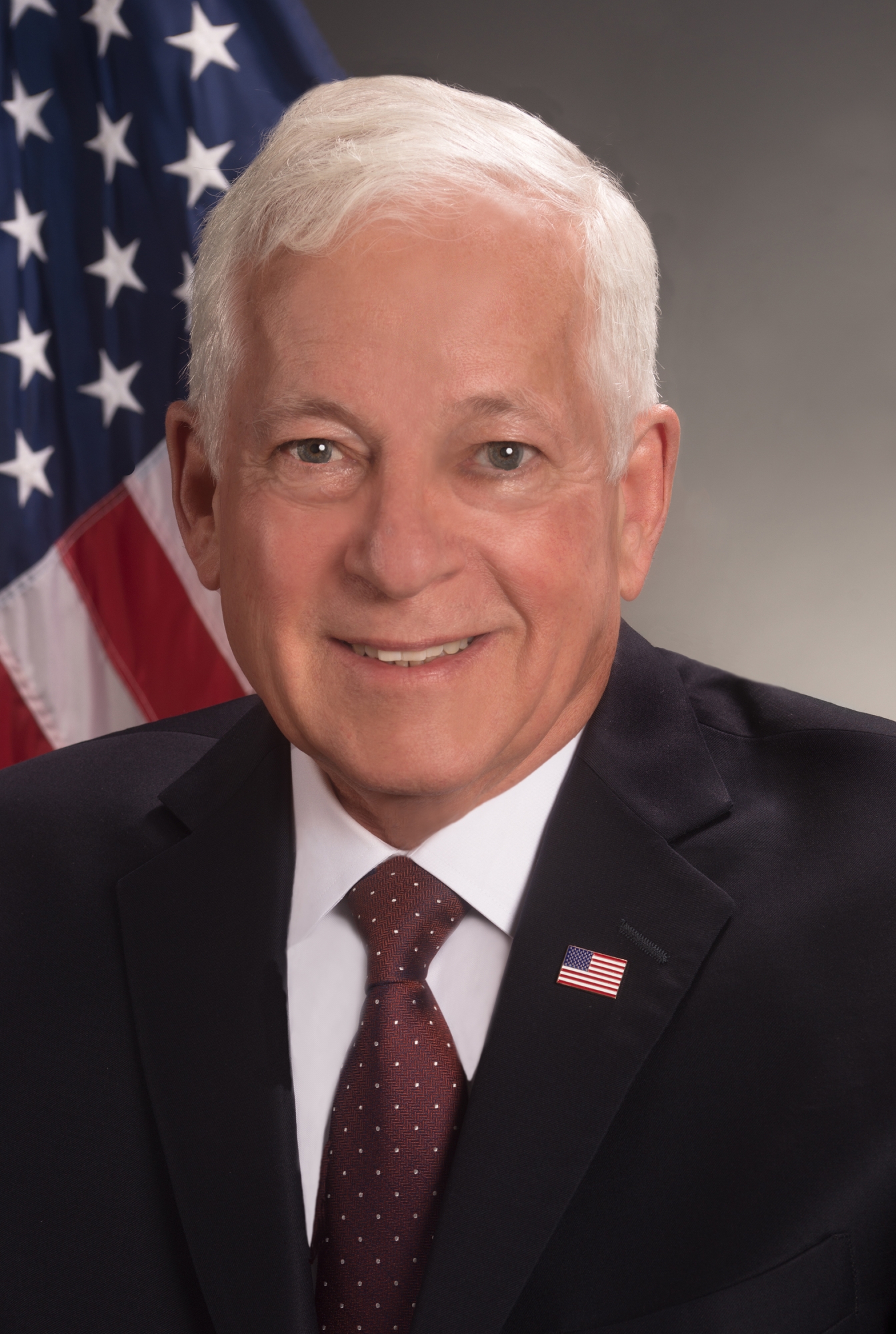
2025 Regular Session Introduced by Charles Lavine

A7460 creates a framework to secure court orders restricting firearm access in certain firearms offenses, impacting victims, suspects, law enforcement, and dealers.

REFERRED TO CODES
0
WeVote Research Nonpartisan
Bill Summary · A 7460

Summary: New York Assembly Bill A 7460 (Relates to securing orders for certain firearms offenses)

Overview

A 7460 is a bill introduced to address firearms offenses by providing a framework to secure court orders related to such offenses. The bill is currently in the early legislative stage, having been referred to the Codes Committee on its introduction date.

  • Introduced: March 28, 2025
  • Status: Referred to Codes (Committee)
  • Primary sponsor: Charles Lavine
  • Related/companion bills: A 6737 (prior-session), A 4729 (prior-session), S 7419 (companion)

Purpose and Intent

Based on the title, the bill aims to establish or modify processes for obtaining orders connected to certain firearms offenses. The specific statutory changes, standards, and procedures are not detailed in the provided information. Typically, such legislation would seek to enhance public safety by enabling courts to issue orders that restrict firearm access in specified circumstances or as part of case resolution related to firearms offenses.

  • The bill’s intended effect would be to create, modify, or expand a mechanism for securing orders tied to firearms offenses.
  • The exact offenses, the type and scope of the orders (e.g., seizure, prohibition on possession, temporary or permanent restrictions), and the trigger standards are not specified here.

Key Provisions (Not Provided in Text)

The full text would define precise provisions. Based on the title and common practice in related measures, expected areas to be addressed (if included) might include:

  • Eligible offenses and factual triggers for issuing an order
  • Who may petition for an order (victims, law enforcement, prosecutors, family members)
  • Court procedures, hearings, and burden of proof
  • Duration and renewal terms for orders (temporary vs. long-term)
  • Requirements for surrender or prohibition of firearm possession and purchase
  • Exceptions, defenses, and due process protections
  • Enforcement mechanisms and penalties for violations
  • Coordination with other statutes (e.g., domestic violence, criminal procedure, firearm statutes)

Note: Specifics would be drawn from the enacted text and any associated fiscal notes or analyses.

Affected Parties and Impacts

  • Individuals subject to firearms offenses: Potentially impacted through new or expanded orders restricting firearm access.
  • Victims and witnesses: May gain improved safeguards through court-ordered protections.
  • Law enforcement and prosecutors: Responsible for initiating petitions, enforcing orders, and coordinating with courts.
  • Courts: New or modified procedural requirements for issuing and enforcing orders.
  • Firearm dealers and licensees: Compliance obligations related to possession, transfers, or rentals may be affected.
  • General public: Potential changes to public safety framework and firearm access restrictions.

Procedural and Timeline Considerations

  • Status indicates early stage; no floor action or committee hearings are recorded here aside from the Codes referral.
  • The presence of companion bills (S 7419) suggests cross-chamber alignment in pursuing similar goals.
  • As with many bills of this nature, subsequent steps include committee hearings, potential amendments, and floor votes in the Assembly and Senate.

Next Steps for Readers

  • Monitor updates from the Codes Committee for hearing dates, amendments, and potential text.
  • Review the companion Senate bill (S 7419) and any related prior-session bills (A 6737, A 4729) for context and historical proposals.
  • Await official bill text to understand the exact provisions, triggers, durations, and enforcement details.

Compiled from official sources — confirm details with the bill’s official record.

Sign in to ask a question.