

WeVote

Bill

Bill

A 11071

Relates to residential rehabilitation units in correctional facilities

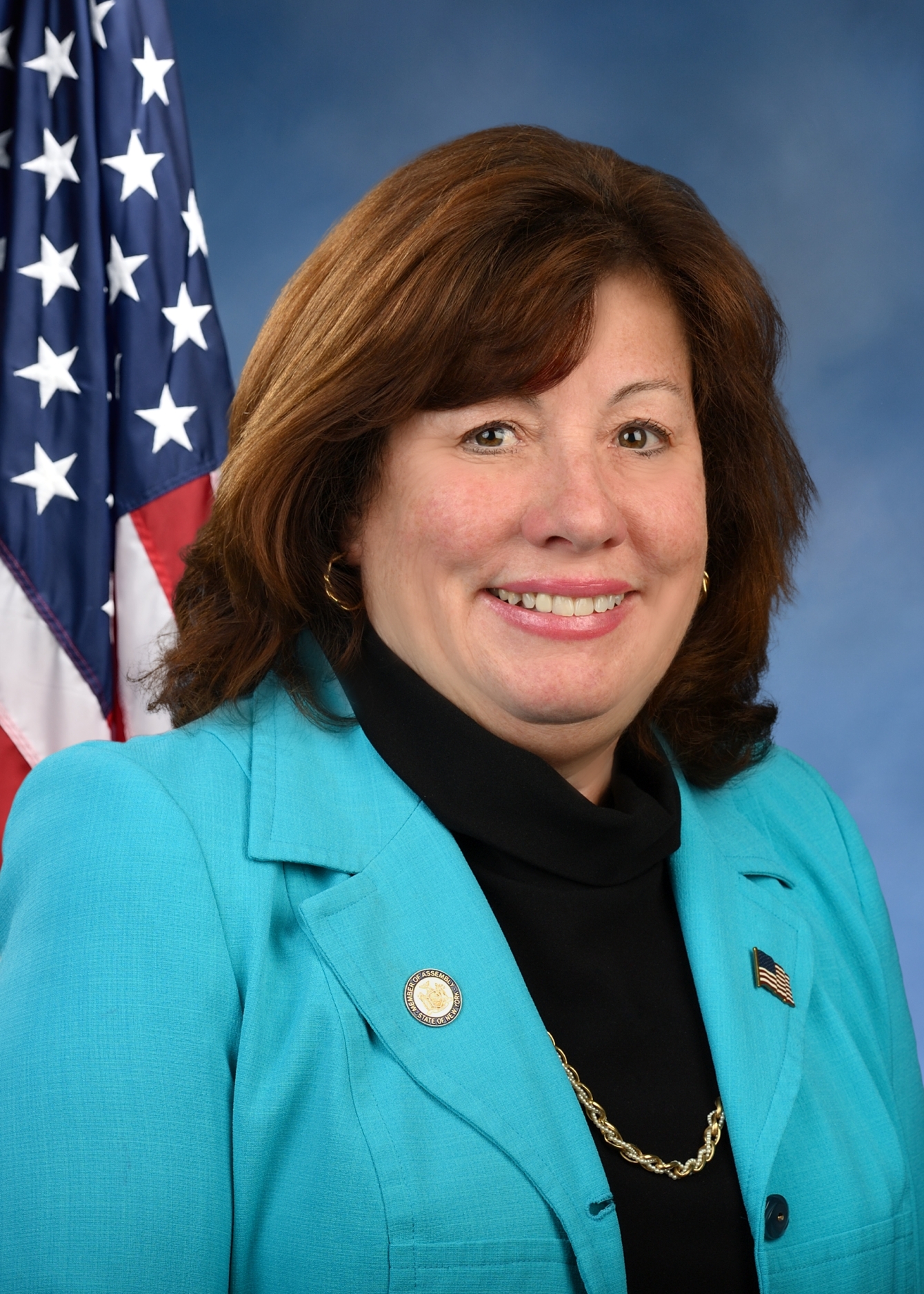
2025 Regular Session Introduced by Marianne Buttenschon and 2 co-sponsors

Prohibits two-person cells in residential rehab units unless both inmates consent, requiring immediate single-cells for non-consent and enabling rules to implement the policy.

REFERRED TO CORRECTION
0
WeVote Research Nonpartisan
Bill Summary · A 11071

Summary of Bill A 11071 (2025-2026) – New York

Purpose and intent

  • The bill amends the correction law to regulate the use of two-person cells in residential rehabilitation units (RRUs) within correctional facilities.
  • Its core aim is to prohibit the routine use of two-person cells in RRUs unless both incarcerated individuals explicitly consent to sharing a unit.

Key provisions and changes

  • New section added: § 608 to the correction law.
    • Definitions:
    • “Two-person cells” are cells used to house two incarcerated individuals at the same time within RRUs.
  • Prohibition and consent requirements:
    • The Department of Corrections and Community Supervision (or relevant agency) shall be prohibited from using two-person cells in any residential rehabilitation unit unless there is express agreement from the incarcerated individual who would be sharing the unit.
    • If an incarcerated person in an RRU is in a two-person cell at the time this section takes effect and does not provide express consent to share the cell, that individual must be immediately relocated to a single-cell housing arrangement within the RRU.
  • Implementation and rules:
    • The department is authorized to promulgate or repeal rules and regulations as necessary to implement these provisions.
  • Effective date:
    • The act takes effect 90 days after it becomes law.

Who/what is affected

  • Incarcerated individuals housed in residential rehabilitation units within New York correctional facilities.
  • Correctional facilities and the Department of Corrections and Community Supervision (or equivalent department responsible for RRUs).
  • Potentially impacts housing management practices, unit assignment processes, and consent procedures within RRUs.

Procedural and timeline aspects

  • Enactment process:
    • Introduced in the Assembly on April 24, 2026.
    • Referred to the Committee on Correction.
  • Effective date:
    • 90 days after the bill becomes law.
  • Regulatory flexibility:
    • Allows the department to adopt or repeal implementing rules to operationalize the consent-based two-person cell prohibition.

Practical implications and potential impacts

  • Human rights and housing dignity: Ensures two-person occupancy in RRUs is based on explicit inmate consent, reinforcing individual choice in housing arrangements.
  • Operational impact: May require increased single-cell availability or reconfiguration of RRUs to accommodate consent-based shared housing.
  • Transitional considerations: Inmates currently in two-person cells who do not consent to sharing must be moved to single cells, which could affect housing logistics and capacity planning.
  • Oversight: The provision grants the department authority to adjust regulations to implement the policy, potentially leading to further administrative rules.

If you’d like, I can provide a short comparative note contrasting this approach with current NY policy on RRUs and multi-occupancy housing.

Compiled from official sources — confirm details with the bill’s official record.

Sign in to ask a question.