

WeVote

Bill

Bill

A 2299

Relates to requiring the installation of intelligent speed assistance devices for repeated violation of maximum speed limits

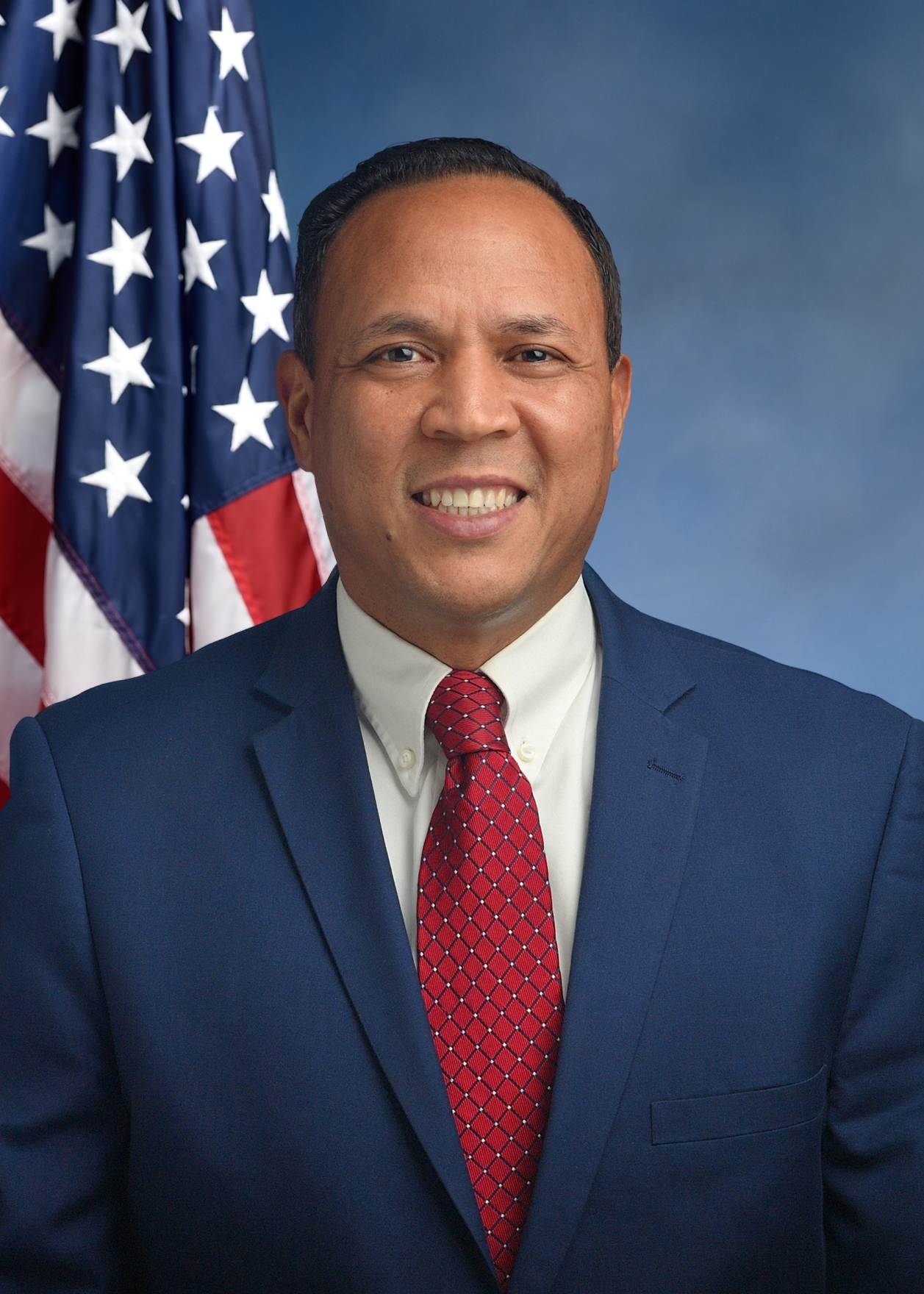
2025 Regular Session Introduced by George Alvarez and 40 co-sponsors

Requiring Intelligent Speed Assist devices for drivers with repeated speeding violations to curb recidivism and crashes, via court/DMV orders and mandated installation.

REFERRED TO TRANSPORTATION
0
WeVote Research Nonpartisan
Bill Summary · A 2299

Summary — A.2299 (Print 2299D)

Title: Relates to requiring the installation of intelligent speed assistance devices for repeated violation of maximum speed limits
Introduced: January 16, 2025
Current status: Print Number 2299D (amended and recommitted to Transportation, 2025-06-11)
Legislative history highlights: referred to Transportation 2025-01-16; multiple amendments and recommittals (Prints 2299A–D).
Related bills: A.7979 (prior session); S.4045 (Senate companion).

Purpose and intent

Based on the bill title and legislative filings, A.2299 seeks to reduce repeated and serious speeding violations by requiring installation of Intelligent Speed Assistance (ISA) devices on vehicles owned or operated by drivers who repeatedly violate posted maximum speed limits. The broad intent is to improve road safety by using technology to limit vehicle speed for habitual offenders.

Key provisions (what the bill is designed to do)

The full text is not provided here; the following summarizes the essential measures the bill’s title and legislative context indicate it would establish:

  • Establish criteria for identifying “repeated violation” of maximum speed limits (e.g., number or frequency of convictions or recorded offenses) and trigger a requirement to install an ISA device.
  • Authorize courts or the Department of Motor Vehicles (DMV) to order installation of a certified ISA device as part of sentencing, post-conviction conditions, or administrative action.
  • Define technical standards or certification requirements for acceptable ISA devices (speed-limiting or advisory technologies).
  • Specify enforcement mechanisms for noncompliance (e.g., registration suspension, fines, or follow-up inspections).
  • Provide procedures for installation, verification, and removal of the device; possibly address who bears the cost (vehicle owner, offender, or state subsidy).
  • Identify exemptions or special rules for emergency vehicles, public safety vehicles, agricultural equipment, or other classes of vehicle.
  • Include administrative provisions directing agencies (DMV, courts) to adopt implementing regulations and set compliance timelines.

Who would be affected

  • Drivers with multiple speeding convictions or administrative speed violations — primary targets for ISA requirement.
  • Vehicle owners/operators whose vehicles are subject to installation orders.
  • Courts and the DMV — responsible for ordering and enforcing installations.
  • Vehicle manufacturers, installers, and device certifiers — affected by any device standards and certification requirements.
  • Insurers, law enforcement, and public safety agencies — may see indirect effects (claims, enforcement workload, crash rates).

Potential impacts and considerations

  • Road safety: likely reduction in repeat speeding and potentially fewer speed-related crashes and fatalities.
  • Costs: financial burden on targeted drivers/vehicle owners to purchase/install devices unless covered by the state or offset by programs.
  • Administrative burden: DMV, courts, and enforcement agencies would need systems to track orders, verify installation, and manage compliance.
  • Privacy and technical issues: concerns over data collected by ISA devices, device tampering, and interoperability across vehicle models.
  • Legal questions: due process and property considerations could arise if registration is withheld or compulsory device installation is ordered.

Next steps / procedural timeline

  • As of 2025-06-11 the bill is in the Assembly Transportation Committee as Print 2299D following amendments and recommitment.
  • Monitor committee actions, floor votes, and companion Senate measure S.4045 for parallel progress.
  • Consult the full text of Print 2299D for precise definitions, thresholds, costs, exemptions, and regulatory instructions before assessing final legal and fiscal effects.

Compiled from official sources — confirm details with the bill’s official record.

Sign in to ask a question.