

WeVote

Bill

Bill

A 3728

Relates to requiring sign language interpreters during live broadcast press conferences during a declared state of emergency

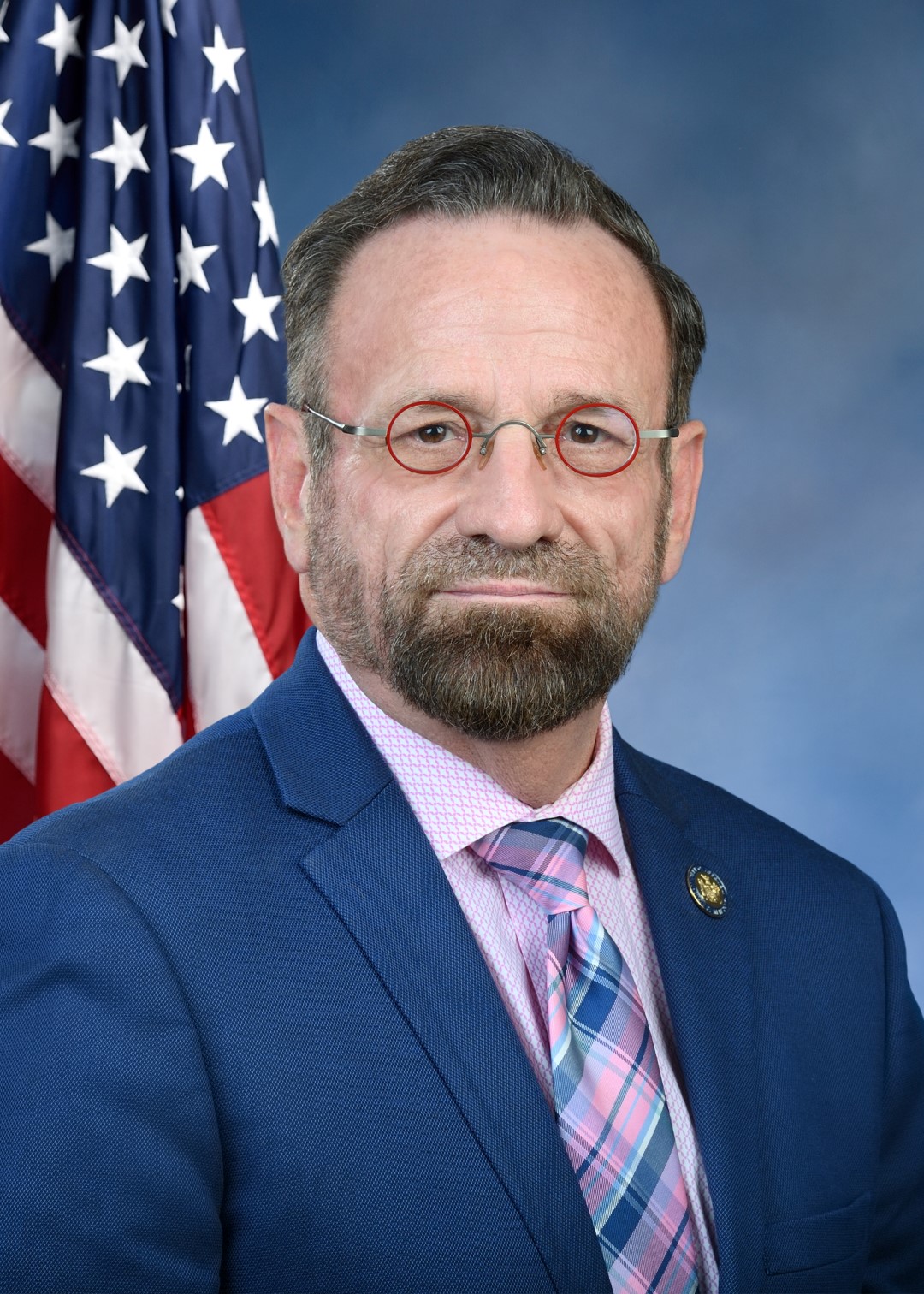
2025 Regular Session Introduced by Harry Bronson and 3 co-sponsors

Requires state agencies to provide qualified sign language interpreters for live emergency press conferences, ensuring Deaf residents get real-time access to critical information.

REFERRED TO GOVERNMENTAL OPERATIONS
0
WeVote Research Nonpartisan
Bill Summary · A 3728

Summary of New York Assembly Bill A 3728

Overview

A 3728, titled “Relates to requiring sign language interpreters during live broadcast press conferences during a declared state of emergency,” is currently in the Assembly and has been referred to the Committee on Governmental Operations. The bill was introduced on January 30, 2025. The primary sponsor is Harry B. Bronson, with Demond Meeks, Jen Lunsford, and Sarah Clark listed as cosponsors.

Purpose and Intent

  • The bill aims to improve accessibility for Deaf and hard-of-hearing residents by ensuring that sign language interpretation is provided during live broadcast press conferences that occur while a state of emergency is declared.
  • By mandating interpreters during such briefings, the measure seeks to guarantee that critical emergency information is accessible to a broad segment of the population in real time.

Key Provisions (High-Level)

  • The bill would require state agencies or entities responsible for holding and publicly broadcasting live press conferences during a declared state of emergency to provide qualified sign language interpreters.
  • Interpretation would be required for live broadcasts, with the intention that information conveyed during emergencies is accessible to the Deaf and hard-of-hearing public.
  • The full text would define standards for interpreters (e.g., qualifications) and specify the scope (which agencies and which press conferences are covered), along with any enforcement mechanisms, timelines for compliance, and any exemptions. The exact language is not provided here.

Affected Parties and Stakeholders

  • Deaf and hard-of-hearing residents who rely on sign language interpreters for real-time access to emergency information.
  • State agencies and officials responsible for issuing emergency press briefings.
  • Sign language interpreters and accessibility service providers contracted or employed to fulfill the requirement.
  • Broadcasters and streaming platforms that carry live emergency briefings.

Legislative Status and Process

  • Introduced: January 30, 2025
  • Status: Referred to Governmental Operations
  • Legislative actions thus far show no movement beyond referral; future action would depend on committee consideration and floor votes.
  • Related bills from prior sessions (A 10642, A 1017, A 439) indicate prior interest in accessibility or emergency communications reforms.

Potential Impacts and Considerations

  • Accessibility: Strong potential benefit for accessibility during emergencies, aligning with broader disability-accessibility objectives.
  • Costs and Logistics: Agencies may incur costs for interpreters or contracts; scheduling interpreters for all relevant live briefings could require new workflows.
  • Equity and Consistency: Establishes a uniform standard across state emergency communications, reducing disparities in information access.

Next Steps

  • Monitor the Committee on Governmental Operations for hearings, amendments, and potential passage.
  • If advanced, the bill would move to subsequent floor votes and, if enacted, require implementation by a specified timeline in the final statute text.

Compiled from official sources — confirm details with the bill’s official record.

Sign in to ask a question.