

WeVote

Bill

Bill

A 6342

Relates to requiring municipalities, authorities and agencies to obtain liability insurance on each duly appointed police officer

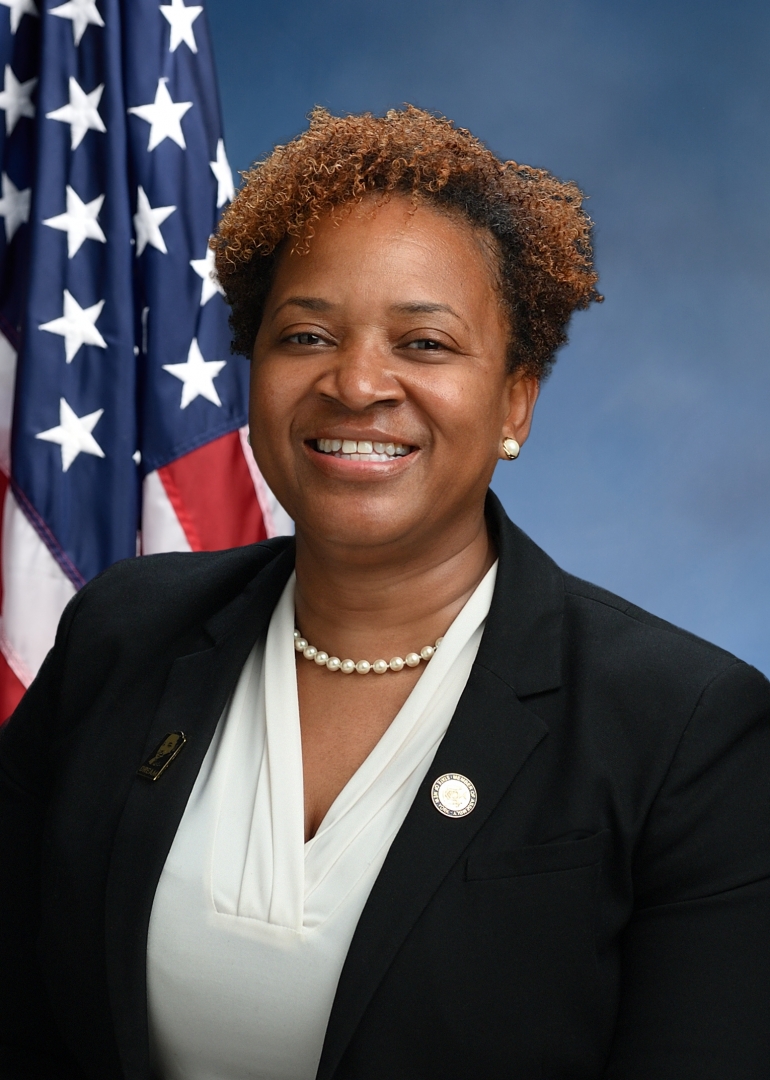
2025 Regular Session Introduced by Nikki Lucas

Requires municipalities, authorities, and agencies to obtain liability insurance for every duly appointed police officer, shifting costs to insurers and ensuring coverage for duties.

REFERRED TO LOCAL GOVERNMENTS
0
WeVote Research Nonpartisan
Bill Summary · A 6342

Summary of Bill A 6342

Quick overview

  • Bill number: A 6342
  • Title: Relates to requiring municipalities, authorities and agencies to obtain liability insurance on each duly appointed police officer
  • Purpose: To require local governments and related entities to secure liability insurance coverage for every duly appointed police officer
  • Status: Referred to Local Governments
  • Introduced: March 4, 2025
  • Related: Companion/Senate version S 6093; prior-session bills A 10853, A 2106, A 9993

Purpose and intent

The bill aims to ensure that every duly appointed police officer employed by municipalities, authorities, or related agencies carries liability insurance coverage. The underlying goal is to provide a defined layer of financial protection for officers and the employing entity in the event of claims arising from the performance of official duties.

Key provisions (as indicated by the bill title and status)

  • Mandatory coverage: Requires that municipalities, authorities and agencies obtain liability insurance for each duly appointed police officer.
  • Scope of coverage (likely, though not specified in the provided information): Coverage would pertain to acts conducted in the course of official duties. The exact scope, minimum coverage levels, and types of liability (e.g., general liability, police liability, or other related coverage) would be defined in the full text.
  • Compliance and enforcement: The bill would establish requirements for proving and maintaining insurance coverage. Specific enforcement mechanisms, penalties for noncompliance, and oversight processes are not detailed in the provided information.
  • Definitions: The bill would define key terms such as “duly appointed police officer,” “liability insurance,” and other relevant terms, though the exact definitions are not included here.

Note: The summary above reflects the bill’s stated purpose. The actual text would include precise definitions, coverage requirements, exemptions (if any), cost-sharing provisions, and enforcement mechanisms.

Who is affected

  • Municipal governments and their police departments
  • Other governmental authorities and agencies that employ police officers
  • The personnel who are “duly appointed” as police officers within these entities

Procedural and timeline aspects

  • Introduced: March 4, 2025
  • Current action: Referred to the Committee on Local Governments
  • Next steps: The bill would move through committee consideration, potential amendments, and, if advanced, floor votes in the chamber of origin and the opposite chamber. Companion bill S 6093 may signal cross-chamber alignment and potential parallel actions.

Related legislation

  • Companion: S 6093 (listed twice, indicating a Senate counterpart)
  • Prior-session related bills: A 10853, A 2106, A 9993 (suggesting ongoing or recurring policy interest in establishing officer liability coverage)

Potential impacts and considerations

  • Fiscal impact on local governments: Costs for acquiring and maintaining insurance coverage for every duly appointed officer (premiums, administrative costs, and potential impact on municipal budgets).
  • Operational impact: Requires establishment of procurement, record-keeping, and verification processes to ensure continuous coverage.
  • Risk management: Could shift some financial risk from municipalities to insurers; may influence claims handling and municipality-level risk mitigation strategies.
  • Legal and policy alignment: If enacted, municipalities may need to adjust hiring, retirement, and personnel policies to align with insurance requirements.

Next steps for readers

For a complete understanding, review the full text of A 6342 when available, including definitions, coverage minimums, exemptions, premium requirements, reporting obligations, and enforcement provisions. Consider also examining the companion S 6093 and the related prior-session bills for context and potential alignment.

Compiled from official sources — confirm details with the bill’s official record.

Sign in to ask a question.