

WeVote

Bill

Bill

A 3386

Relates to requiring certain emergency response vehicles to be equipped with appropriate communication devices for deaf individuals

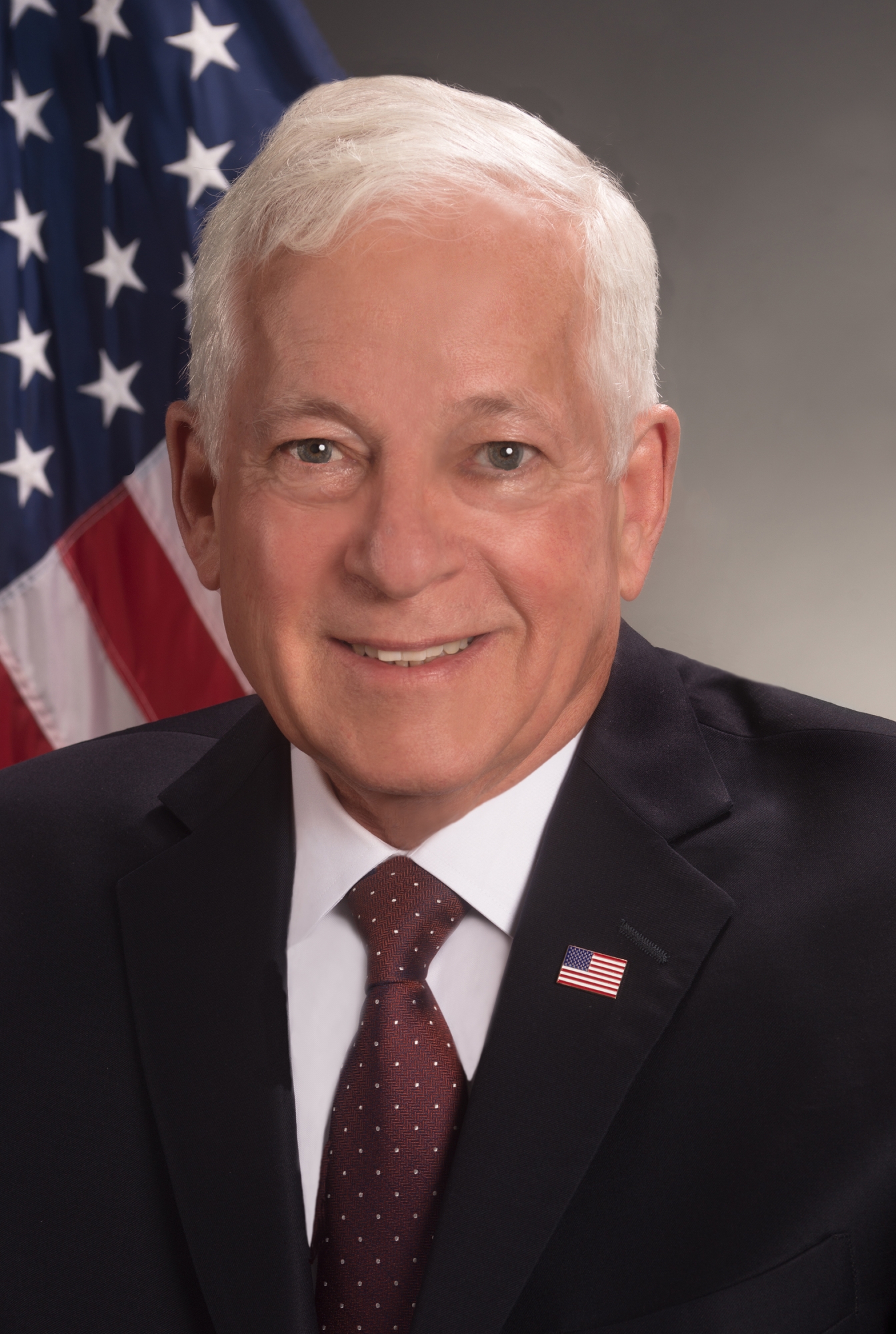
2025 Regular Session Introduced by Charles Lavine

Requires certain emergency response vehicles to be equipped with devices that enable deaf residents to communicate with responders, improving emergency access and safety.

REFERRED TO LOCAL GOVERNMENTS
0
WeVote Research Nonpartisan
Bill Summary · A 3386

Summary of Assembly Bill A 3386

Overview

  • Bill Number: A 3386
  • Title: Relates to requiring certain emergency response vehicles to be equipped with appropriate communication devices for deaf individuals
  • Sponsor: Charles Lavine (primary)
  • Committee: Referred to Local Governments
  • Introduced: January 27, 2025
  • Status: Referred to Local Governments (as of the latest action)
  • Related: A 10508 (prior-session), S 6382 (companion)

Purpose and Intent

The bill aims to improve emergency communication by ensuring that certain emergency response vehicles are equipped with devices that facilitate communication with deaf or hard-of-hearing individuals. The intent is to enhance access to information and two-way communication between responders and deaf residents during emergencies and routine operations.

Key Provisions (as described)

  • Requiring certain emergency response vehicles to be equipped with communication devices appropriate for use by deaf individuals.
  • The exact specifications for the “appropriate communication devices” are not detailed in the summary provided; the bill would set the standard for device-equipped vehicles that enable effective communication with deaf persons.
  • Implementing guidance, timelines, or enforcement mechanisms (e.g., how compliance is verified or by whom) are not specified in the information available.

Who Would Be Affected

  • Local governments and applicable emergency response agencies operating emergency vehicles (e.g., police, fire, EMS) that fall under the scope of the bill.
  • Deaf and hard-of-hearing residents would be the primary beneficiaries, gaining improved access to emergency communications and information during incidents.

Procedural and Timeline Aspects

  • Introduced January 27, 2025, and referred to the Local Governments committee on the same date, indicating initial committee review is needed.
  • Legislative actions show two entries on the same date for referral, suggesting formal movement within committee processes.
  • Companion and related bills exist (S 6382 in the Senate; A 10508 in prior session), indicating cross-filed or parallel proposals that address similar themes.

Potential Impacts and Considerations

  • Accessibility: Potentially meaningful improvements in emergency responsiveness and safety for deaf individuals.
  • Costs: Local governments and agencies may incur equipment procurement and maintenance costs, as well as training for responders.
  • Implementation: Details such as device specifications, funding sources, phased rollout, and compliance deadlines would influence feasibility and timelines.
  • Legal and policy alignment: May align with broader accessibility and ADA-related objectives for government services.

Next Steps

  • Await committee deliberations in Local Governments to consider amendments, define technical specifications for devices, funding, and enforcement, and determine timelines for implementation.
  • Possible consideration alongside related bills (A 10508; S 6382 companion) for broader consensus and alignment across chambers.

Note: This summary reflects the information provided. The bill text would specify exact device requirements, funding, and enforcement details if enacted.

Compiled from official sources — confirm details with the bill’s official record.

Sign in to ask a question.