

WeVote

Bill

Bill

A 832

Relates to requiring at least a ratio of one clinical, non-student mental health staff member per one thousand students on all SUNY and CUNY campuses

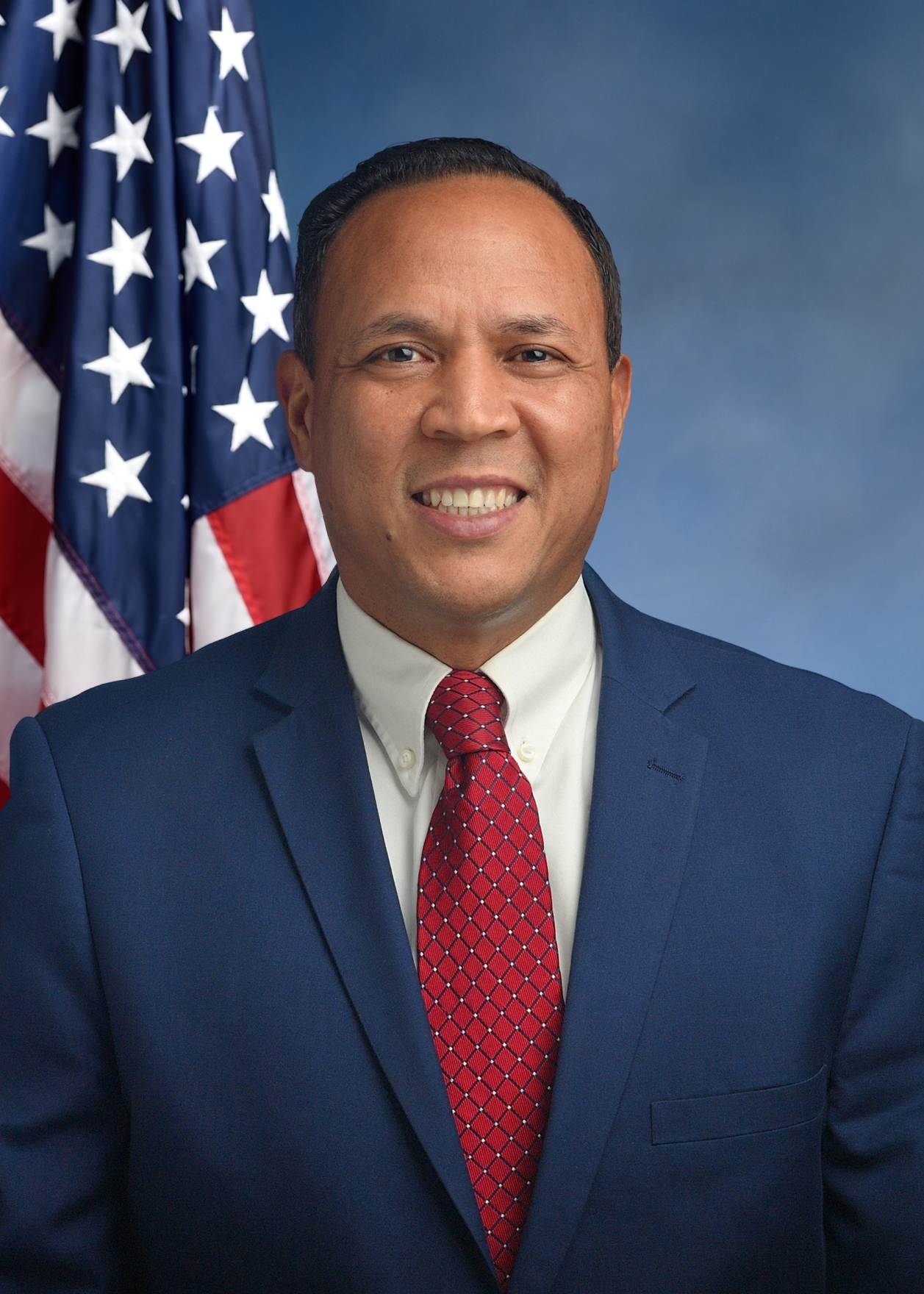
2025 Regular Session Introduced by George Alvarez and 8 co-sponsors

Requires SUNY and CUNY campuses to have at least one clinical, non-student mental health staff member per 1,000 students to ensure on-site mental health access for students.

REFERRED TO HIGHER EDUCATION
0
WeVote Research Nonpartisan
Bill Summary · A 832

Summary: New York Assembly Bill A 832

Overview

  • Bill number: A 832
  • Title: Relates to requiring at least a ratio of one clinical, non-student mental health staff member per one thousand students on all SUNY and CUNY campuses
  • Purpose: Establish a minimum staffing ratio to ensure on-campus access to clinical mental health services for students at all SUNY (State University of New York) and CUNY (City University of New York) campuses
  • Status: Referred to Higher Education
  • Introduced: January 8, 2025
  • Legislative actions: The record shows two entries on 2025-01-08 both indicating “REFERRED TO HIGHER EDUCATION”

Key Provisions

  • Staffing standard: Requires each SUNY and CUNY campus to employ at least one clinical, non-student mental health staff member for every 1,000 enrolled students.
  • Scope: Applies across all SUNY and CUNY campuses (community colleges and universities within both systems).
  • Staffing type: Specifies “clinical, non-student” mental health staff, implying licensed or professional mental health personnel who are university employees rather than student workers.

Note: The bill text is not provided, so details such as qualifications, scope of practice, overrides for small campuses, or enforcement mechanisms are not stated here.

Affected Parties and Impacts

  • Primary beneficiaries: Students attending SUNY and CUNY campuses who would have improved access to on-site mental health services.
  • Institutions affected: All SUNY and CUNY campuses would need to assess current staffing levels and hire additional clinical mental health professionals to meet the ratio.
  • Workforce considerations: May require increases in hiring, budget allocations, and possible changes to service delivery models (e.g., on-site clinics, telehealth options) to meet the ratio.

Procedural and Timeline Aspects

  • Procedure: Referred to the Assembly Committee on Higher Education for review and potential amendments, a standard step before floor consideration.
  • Timeline: No effective date or phase-in period is provided in the information available. Future amendments or committee reports could specify implementation timelines.

Related Legislation and Context

  • Related and companion measures:
    • A 9746, A 302, A 4142 (prior-session bills) suggest ongoing interest in expanding on-campus mental health staffing.
    • S 8165 (companion in the Senate) indicating parallel consideration in the Senate.
  • Sponsorship:
    • Primary sponsor: Phara Souffrant Forrest
    • Cosponsors: Jessica Gonzalez-Rojas; Sarahana Shrestha; Chantel Jackson; Brian Maher; William Colton; George Alvarez; Emily Gallagher; Steven Raga
  • This alignment with multiple sponsors and related bills suggests ongoing interest in standardized mental health staffing across public higher education.

Potential Considerations for Stakeholders

  • Funding: How campuses will finance increased staffing (state funding, reallocations, or student fees) remains to be specified.
  • Compliance: How “per campus” ratios are measured (headcount vs. full-time equivalents) and how temporary vacancies are handled.
  • Service delivery: Possible implications for wait times, appointment availability, and integration with campus health services.

If you’d like, I can compare A 832 to its Senate companion S 8165 or summarize the related prior-session bills to show how this proposal has evolved.

Compiled from official sources — confirm details with the bill’s official record.

Sign in to ask a question.