

WeVote

Bill

Bill

A 606

Relates to requiring advertisements to disclose the use of a synthetic performer

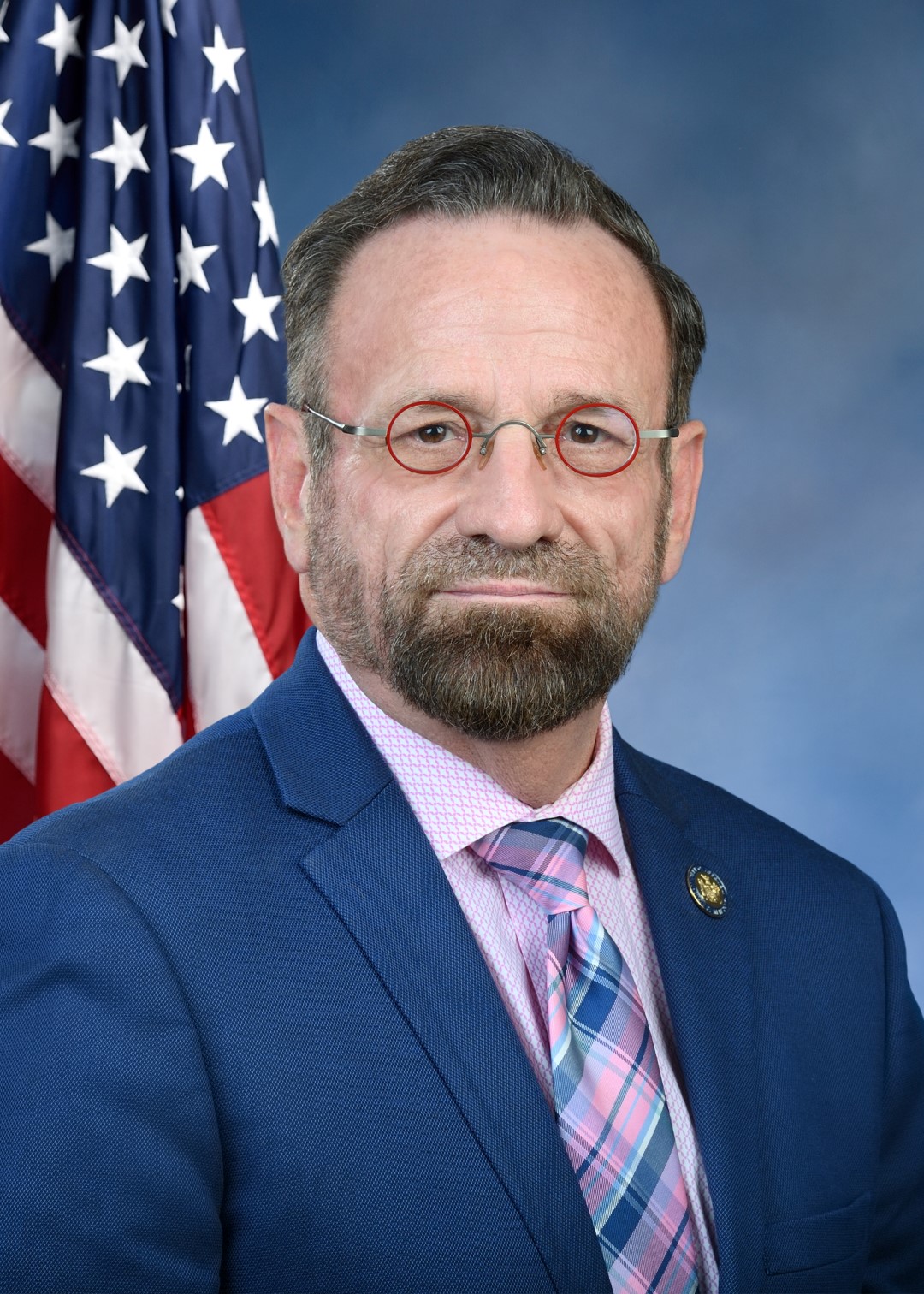
2025 Regular Session Introduced by Harry Bronson and 7 co-sponsors

Requires advertisers to clearly disclose when an ad uses a synthetic performer (AI/deepfake), ensuring consumers know when a likeness or voice isn't a real person.

AMENDED ON THIRD READING 606B
0
WeVote Research Nonpartisan
Bill Summary · A 606

Summary — A.606 (Relates to requiring advertisements to disclose the use of a synthetic performer)

Status: Amended on Third Reading (606B) — most recent action 2025-05-21
Introduced: January 8, 2025
Primary Sponsor: Linda Rosenthal (with cosponsors Angelo Santabarbara, MaryJane Shimsky, Jo Anne Simon, Dana Levenberg, Deborah Glick, Harry B. Bronson, John Zaccaro Jr.)
Companion: S.1228

Purpose / Intent

A.606 would require advertisers to disclose when an advertisement uses a "synthetic performer" — i.e., a person’s likeness, voice, performance, or a wholly artificial human-like representation created or materially altered using synthetic or generative technologies (commonly described as AI, deepfakes, synthetic media). The stated intent is to promote transparency for consumers about when people shown or heard in ads are not actual individuals or are algorithmically generated/altered.

Key provisions (overview)

Note: The full bill text is not provided here. The description below synthesizes the bill’s core objective and the kinds of provisions typically included in such legislation; exact definitions, required disclosure language, exemptions, enforcement mechanism, and penalties should be confirmed in the bill text (A606A / A606B).

  • Definition

    • Establishes what constitutes a “synthetic performer” (likely covering full synthetic humans, digitally altered appearances or voices, and generated performances that simulate a real person).
  • Mandatory Disclosure

    • Requires advertisers to include a clear and conspicuous disclosure that a synthetic performer is used in the advertisement. The bill would set standards for visibility and timing (for example, on-screen text in video ads or an audible statement in audio spots).
  • Format & Placement

    • Likely specifies how the disclosure must be presented (size/contrast for video/text, timing/duration for visual disclosure, or a clear audible statement for radio/streaming). May address digital ads and social platforms.
  • Exemptions / Limitations

    • May include exemptions (e.g., ads that use generic background synthetic extras, satire, or where a real person has given consent). The exact exemptions are not available in the summary materials.
  • Enforcement & Penalties

    • Enforcement is typically by a consumer protection agency or the state Attorney General; civil penalties or injunctive relief may be authorized. The bill’s precise enforcement mechanism and penalty amounts are not in the available summary.
  • Recordkeeping / Notices

    • The bill may require advertisers to maintain records demonstrating compliance (who created the synthetic content, consent forms, timestamps).

Who would be affected

  • Advertisers, advertising agencies, media buyers, and publishers/platforms that run paid ads in New York (including broadcast, streaming, digital, and social media).
  • Creators and vendors of synthetic-media technologies.
  • Consumers, who would receive notice when presented with synthetic performers.
  • Performers and public figures (impacts on use of likenesses, consent, and rights).

Legislative history (selected)

  • 2025-01-08: Referred to Consumer Affairs and Protection
  • 2025-04-03: Print Number 606A; amended and recommitted to Consumer Affairs and Protection
  • 2025-04-28: Reported, referred to Codes
  • 2025-05-06: Reported
  • 2025-05-08: Advanced to Third Reading (CAL.121)
  • 2025-05-21: Amended on Third Reading (606B) — latest action

Related bills

  • Prior-session: A.6758, A.216
  • Current companion: S.1228

Notes / Next steps

  • This summary describes the bill’s purpose and likely structure; the precise requirements (definition language, required disclosure wording and format, exemptions, enforcement authority, penalty schedule, and effective date) are found in the bill text (A606A / A606B). Consult the official bill text and fiscal/legal memos for definitive details and implementation consequences.

Compiled from official sources — confirm details with the bill’s official record.

Sign in to ask a question.