

WeVote

Bill

Bill

A 638

Relates to reimbursement of non-public and private schools where COVID testing is being mandated

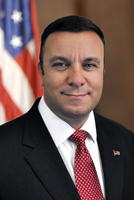
2025 Regular Session Introduced by Karl Brabenec and 5 co-sponsors

A 638 creates a state-funded pathway to reimburse non-public/private schools for costs of mandated COVID-19 testing, easing the financial burden on these schools.

REFERRED TO EDUCATION
0
WeVote Research Nonpartisan
Bill Summary · A 638

Summary of Bill A 638

Overview and purpose

  • Bill: A 638
  • Title: Relates to reimbursement of non-public and private schools where COVID testing is being mandated
  • Intent (based on the title): To provide reimbursement to non-public and private schools for costs incurred when COVID-19 testing is mandated at those schools. The bill seeks to alleviate financial burden on schools that must implement mandated testing programs.

Key provisions (indicative, text not provided)

  • The bill would presumably establish a reimbursement mechanism for COVID testing-related expenses incurred by non-public and private schools when testing requirements are mandated by authorities.
  • It may define eligibility criteria (which schools qualify, types of tests covered, and what costs are reimbursable) and the process for submitting claims.
  • It could set parameters on funding (source of funds, caps, and any annual or cumulative limits) and potential timelines for reimbursement.
  • Potential administrative requirements (documentation, reporting, and audit provisions) to accompany claims.
  • There may be a defined duration for the program (e.g., temporary during a declared health crisis or ongoing if testing mandates persist).

Note: The actual bill text would specify exact eligible costs, documentation requirements, caps, reimbursement rates, and oversight provisions. The summary above reflects common elements found in reimbursement-type bills and the bill’s stated purpose.

Affected parties

  • Primary: Non-public and private schools in the state where COVID testing mandates are imposed.
  • Secondary: Students, families, and staff at these schools may be affected indirectly through the availability of funding to cover testing costs; state agencies administering education programs would handle reimbursement processes.

Fiscal and administrative implications

  • The state would allocate funds to reimburse eligible testing costs, impacting the education budget and potentially requiring new or revised grant/claims processes.
  • Schools would need to maintain documentation of testing costs and submit claims for reimbursement.
  • Depending on the bill’s specifics, there could be reporting and audit requirements to ensure proper use of funds.

Legislative status and timeline

  • Introduced: January 8, 2025
  • Current status: REFERRED TO EDUCATION
  • Legislative actions: Two identical entries on 2025-01-08 indicating referral to the Education Committee
  • Next steps: If advanced, the bill would proceed to committee consideration, possible amendments, votes on the floor, and, if enacted, signature or bill passage into law. Fiscal notes and impact statements may accompany committee hearings.

Sponsors

  • Primary sponsor: Andrew Hevesi
  • Cosponsors: Chris Tague, Karl Brabenec, Simcha Eichenstein, Al Taylor, Jeffrey Dinowitz

Related legislation

  • A 11134 (prior-session)
  • A 3627 (prior-session)
  • A 2460 (prior-session)

Practical takeaways

  • If enacted, A 638 would create a formal pathway for private and non-public schools to recover costs associated with mandated COVID testing.
  • Schools and districts should monitor for committee hearings and fiscal analyses to understand funding availability, eligible costs, and claim procedures.
  • Interested readers may review related prior-session bills (A 11134, A 3627, A 2460) for context on how similar proposals have been structured in the past.

Compiled from official sources — confirm details with the bill’s official record.

Sign in to ask a question.