

WeVote

Bill

Bill

A 282

Relates to providing universal school meals to students

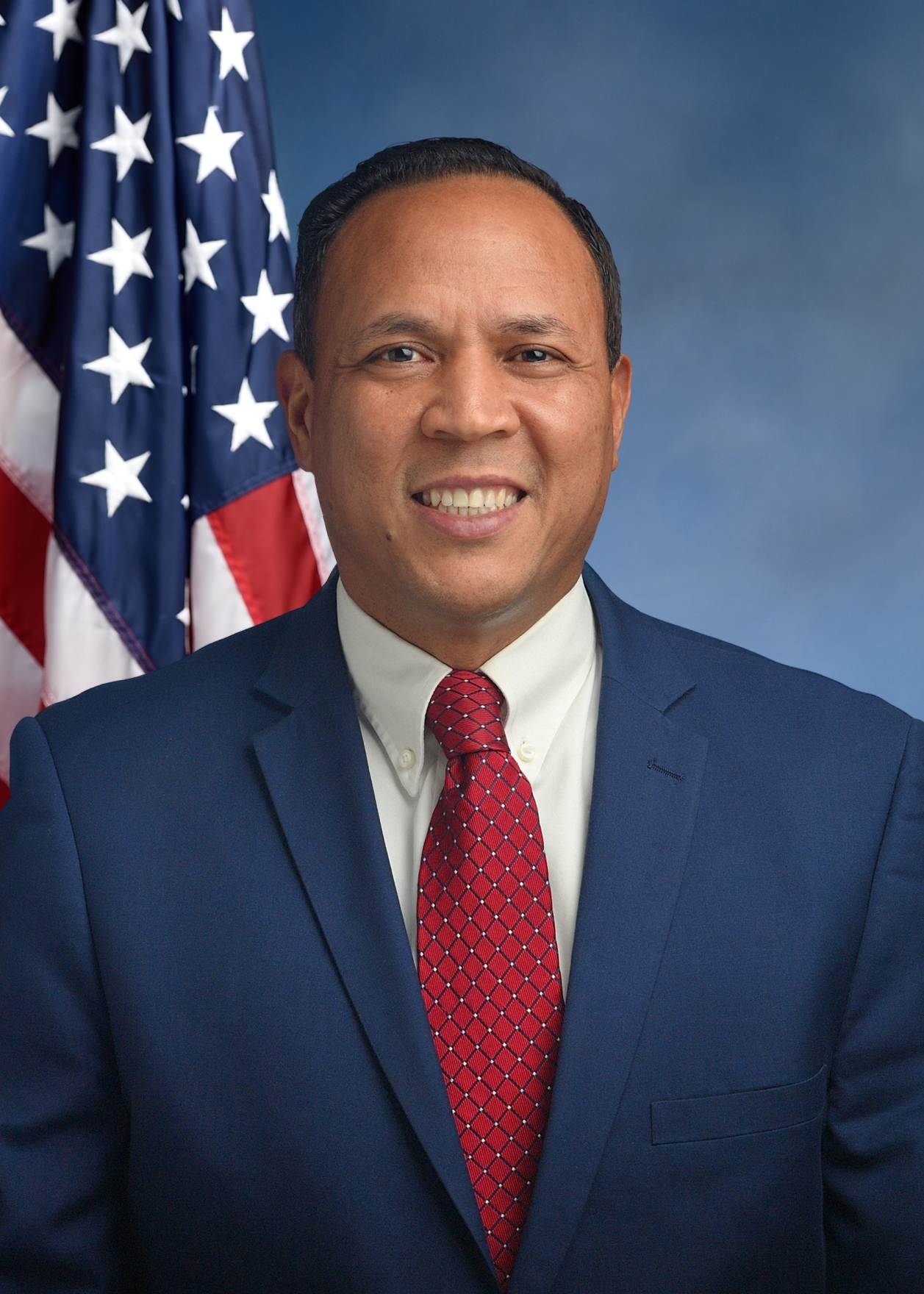
2025 Regular Session Introduced by George Alvarez and 103 co-sponsors

Establish universal, no-cost meals for students in participating NY districts, reducing fees and stigma while shifting funding and reporting to districts and the state.

REFERRED TO EDUCATION
0
WeVote Research Nonpartisan
Bill Summary · A 282

Summary: Assembly Bill A 282 – Relates to Providing Universal School Meals to Students

Overview

A 282, titled “Relates to providing universal school meals to students,” is a New York State Assembly bill introduced on January 8, 2025. The bill is currently REFERRED TO EDUCATION. Its central aim appears to be establishing universal, no-cost school meals for students in participating schools.

Purpose and intent

  • Create a universal free meals program for students, reducing or eliminating meal charges for all attendees in participating districts.
  • Align school meal programs with a universal access approach, potentially improving student nutrition, participation in school meals, and related academic outcomes.

Key provisions (as implied by the title; full details depend on the bill text)

  • Establishment of a universal free breakfast and lunch program for students in eligible schools.
  • Administrative framework likely to be set by the New York State Education Department or a designated state agency.
  • Requirements for school districts to implement the program, including meal service operations and possibly integration with existing free/reduced-price meal processes.
  • Standards for meals, reporting, and accountability to ensure program integrity and compliance with nutrition guidelines.
  • Data collection and reporting on program participation, reach, and impact.
  • Provisions related to funding, reimbursements, and potential transitions from current free/reduced-price meal funding structures to a universal model (specific funding details would be in the bill text).

Who is affected

  • Students: would receive free meals regardless of family income status.
  • Families: potential reduction in administrative barriers and stigma related to meal eligibility.
  • School districts and food service departments: changes to meal pricing, administration, and reporting requirements; potential shift in funding streams.
  • State and local policymakers: oversight, compliance, and program evaluation responsibilities.

Legislative status and actions

  • Introduced: January 8, 2025.
  • Status: REFERRED TO EDUCATION.
  • Legislative actions listed show the bill being referred to the Education Committee on January 8, 2025 (appears twice in the provided record).

Sponsors

  • Primary sponsor: Jessica Gonzalez-Rojas.
  • A broad list of cosponsors includes numerous Assembly members, reflecting substantial legislative engagement.

Related legislation

  • Related bills from prior sessions: A 9518, A 1941.
  • Companion bills: S 594 (listed as a companion in the record).

Potential impacts and considerations

  • Positive potential: improved child nutrition, higher lunch participation, reduced stigma, potential academic benefits linked to better meals.
  • Fiscal considerations: funding must be addressed, including state and federal reimbursements and sustainability for districts transitioning to universal meals.
  • Operational considerations: phased implementation, compliance with nutrition standards, and data reporting requirements.
  • Stakeholder implications: schools, districts, families, and food service providers would experience administrative and logistical changes.

Note: Specific provisions, funding mechanisms, and timelines will be clarified in the full bill text and accompanying fiscal/legislative analyses.

Compiled from official sources — confirm details with the bill’s official record.

Sign in to ask a question.