

WeVote

Bill

Bill

A 10305

Relates to protections against utility termination for medical emergencies, life-support equipment and elderly, blind and disabled customers

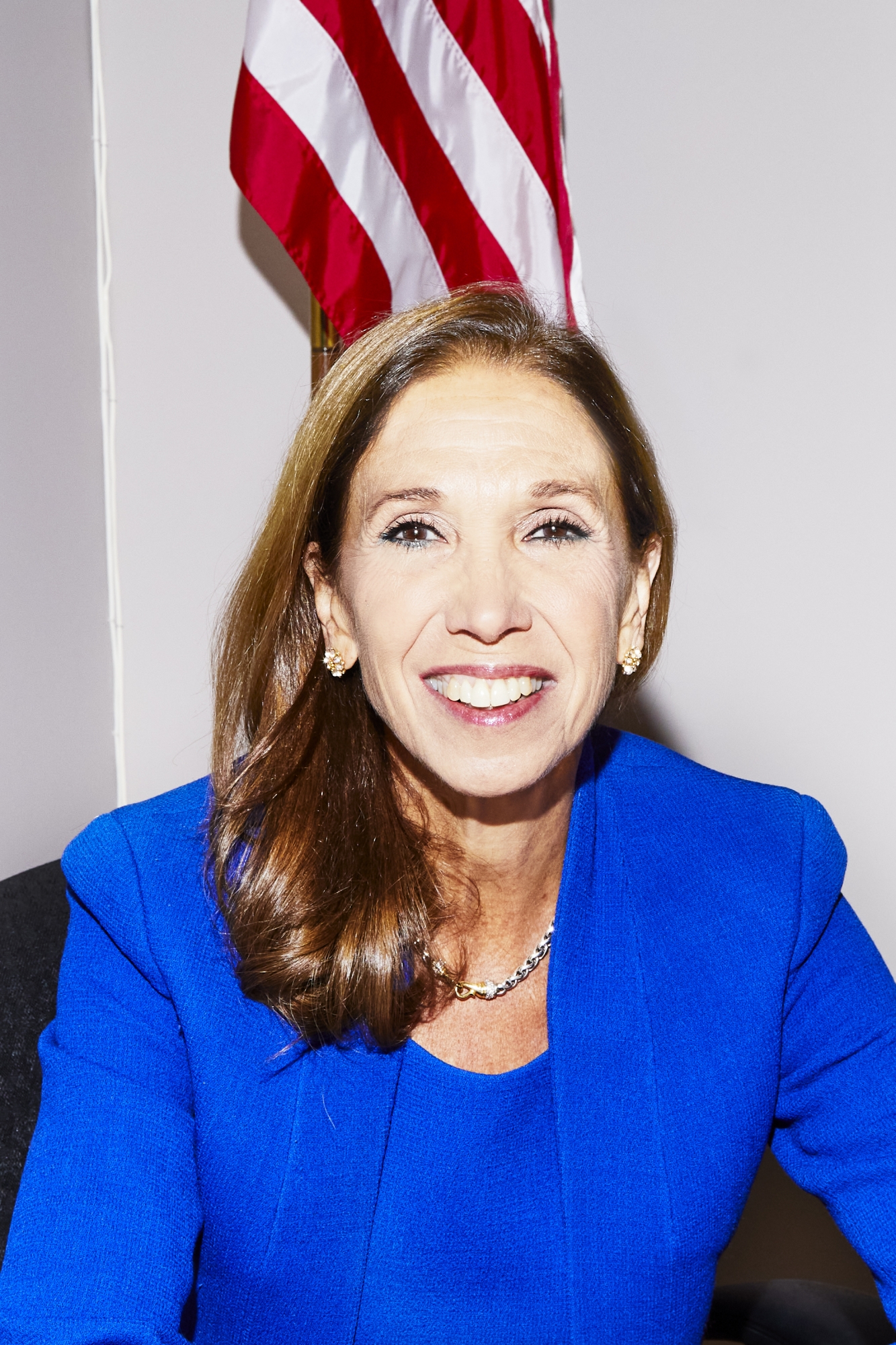
2025 Regular Session Introduced by Amy Paulin

The bill standardizes protections to prevent utility shutoffs for medical emergencies, life-support needs, or elderly/blind/disabled households.

PRINT NUMBER 10305A
0
WeVote Research Nonpartisan
Bill Summary · A 10305

Bill Summary – New York A.10305 (2025-2026)

Title

Relates to protections against termination of residential utility service for medical emergencies, life-support equipment, and elderly, blind, and disabled customers

What the bill aims to do

  • Establish standardized protections to prevent or delay termination of residential utility service (electric, and related services) when termination would pose serious health or safety risks.
  • Create uniform definitions, processes, and account coding to identify customers needing protections.
  • Require utilities to accept simplified, privacy-conscious medical designations and to act promptly on requests.

Key provisions and changes

1) Standardized protections and designations

  • The Public Service Commission (PSC) would define and safeguard three categories:
    • Medical emergency: loss of electric service would aggravate an existing medical condition.
    • Life-support equipment: any device/equipment necessary to sustain life or prevent serious health deterioration.
    • Elderly, blind or disabled: households with one or more members over 62 or with blindness/ disability.
  • Utilities must implement uniform account coding for these designations (medical emergency, life-support equipment, elderly/blind/disabled).
  • Coding, forms, and procedures would be standardized across utilities.

2) Certification and documentation

  • Medical emergencies may be certified in writing by a state-licensed professional, or initially by telephone with a subsequent written certification within five business days.
  • The certification process may include demonstrations of inability to pay, but the initial 30-day medical emergency designation does not require full financial documentation.
  • Utilities must not require detailed health records beyond the defined certification, and must avoid overbroad demands for medical information.

3) Application and processing requirements

  • Utilities must accept coding applications via multiple channels: email, regular mail, in-person, online accounts, a dedicated portal, and fax.
  • Utilities must review and act on applications within five business days; if not acted upon, the designation is automatically approved.
  • Utilities must review for medical emergency, life-support, and elderly/blind/disabled designations and apply protections accordingly.

4) Protections and customer outreach

  • Utilities must provide reasonable protections to elderly, blind, or disabled customers, including efforts to contact an adult resident at least 72 hours before termination.
  • For life-support and medical emergencies, protections trigger continuation or restoration to avoid health risks.
  • Utilities shall not require extensive medical records or deny life-support coding based on internal interpretations of need.

5) Reporting and accountability

  • Annual reporting by each utility to the PSC on:
    • Total applications and approvals/denials by code.
    • Any additional relevant information the PSC deems necessary.
  • By July 1, 2027, and annually thereafter, the PSC must publish a report to the Governor and Legislature and post it publicly.

6) Cold weather procedures (existing language retained)

  • The bill preserves a framework (originally in prior law) for cold-weather periods, ensuring protections are enhanced for residents at risk during extreme weather.

Affected parties

  • Residential utility customers, especially those who are elderly, blind, disabled, or dependent on life-support equipment.
  • Utilities and municipal providers of electric service.
  • State agencies: Department of Health, Department of Social Services, and the Office for the Aging (in implementing procedures and certifications).
  • The PSC as the implementing and oversight authority.

Timeline and effective date

  • The act would take effect 180 days after becoming law.
  • Implementation requires rulemaking and the addition/alteration of regulations to reflect new coding, certifications, and processing timelines.

Overall impact

  • Creates clear, uniform protections to prevent abrupt loss of utility service for vulnerable populations.
  • Streamlines certification while safeguarding privacy and minimizing administrative burden.
  • Enhances transparency through annual reporting and public accessibility of data.

Compiled from official sources — confirm details with the bill’s official record.

Sign in to ask a question.