

WeVote

Bill

Bill

A 1579

Relates to prohibiting certain suicide prevention and mental health services hotlines from being automated

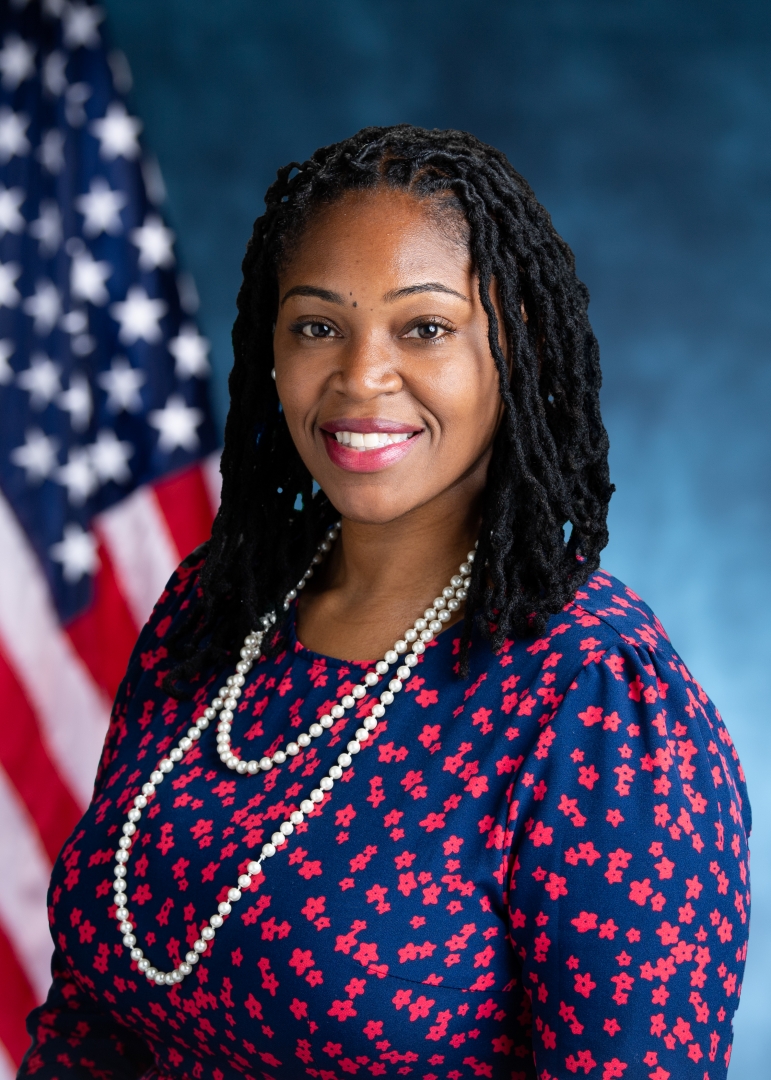
2025 Regular Session Introduced by Chantel Jackson and 1 co-sponsor

Prohibits automation on suicide-prevention and mental-health crisis hotlines, requiring human operators; worsens costs but aims for more empathetic, personal, immediate support.

REFERRED TO MENTAL HEALTH
0
WeVote Research Nonpartisan
Bill Summary · A 1579

Overview

Bill A 1579, introduced January 10, 2025, is a proposed measure that would prohibit certain suicide prevention and mental health services hotlines from being automated. The bill is currently REFERRED TO MENTAL HEALTH in the Assembly.

  • Primary sponsor: Chantel Jackson
  • Cosponsor: Manny De Los Santos
  • Related/companion legislation exists in both Assembly and Senate (see “Related legislation” section)

What the bill would do

  • The core idea, as indicated by the title, is to prohibit automation in certain suicide prevention and mental health crisis hotlines. This suggests requiring responses and interactions to be handled by human operators rather than automated systems (e.g., IVR menus, automated chatbots, or other AI/chatbot-based services).

  • Specific definitions, scope (which hotlines are covered), exceptions, enforcement mechanisms, and timelines are not provided in the summary. The full text would detail:

    • What constitutes an “automated” system for the purposes of the bill
    • Which hotlines or service types are covered (e.g., statewide crisis lines, regional helplines, paired services with mental health providers)
    • Any exemptions (e.g., automated triage under clinician supervision, accessibility accommodations)
    • Penalties or remedies for noncompliance
    • Effective dates and transitional provisions

Who would be affected

  • Suicide prevention and mental health crisis hotlines and their providers
  • Staff and operators of such hotlines (who would be required to handle calls with human involvement)
  • Potentially, affiliated telecommunication and service vendors if they play a role in hotline operations
  • Recipients of hotline services who would experience interactions delivered by human operators rather than automated systems

Legislative history and status

  • Introduced: January 10, 2025
  • Legislative action: Referred to Mental Health (listed twice in the record)
  • This indicates formal progression to committee review in the Mental Health committee; no floor action or passage is indicated in the provided information

Related legislation

  • Assembly: A 8667 (prior-session), A 6005 (prior-session), A 3944 (prior-session)
  • Senate: S 1366 (companion)
  • The related bills suggest ongoing interest in the same policy space across sessions and chambers

Potential impacts and considerations

  • Positive impacts: If the bill leads to more human-centered crisis support, it could improve perceived empathy, safety, and effectiveness of immediate responses during crises.
  • Potential challenges: Increased staffing costs, potential service gaps during surge periods, and questions about accessibility for individuals who may benefit from scalable automated options in non-crisis contexts.
  • Implementation questions: How to verify compliance, define “automation” precisely, and ensure continuity of care during staffing shortages.

Next steps for readers

  • Monitor Mental Health committee actions for amendments, hearings, and votes.
  • Review the full text when available to understand definitions, scope, exemptions, and enforcement.
  • Consider how the policy aligns with ongoing efforts to balance accessibility, cost, and quality of crisis response services.

Compiled from official sources — confirm details with the bill’s official record.

Sign in to ask a question.