

WeVote

Bill

Bill

A 5337

Relates to professional educational requirements for polysomnographic technology services

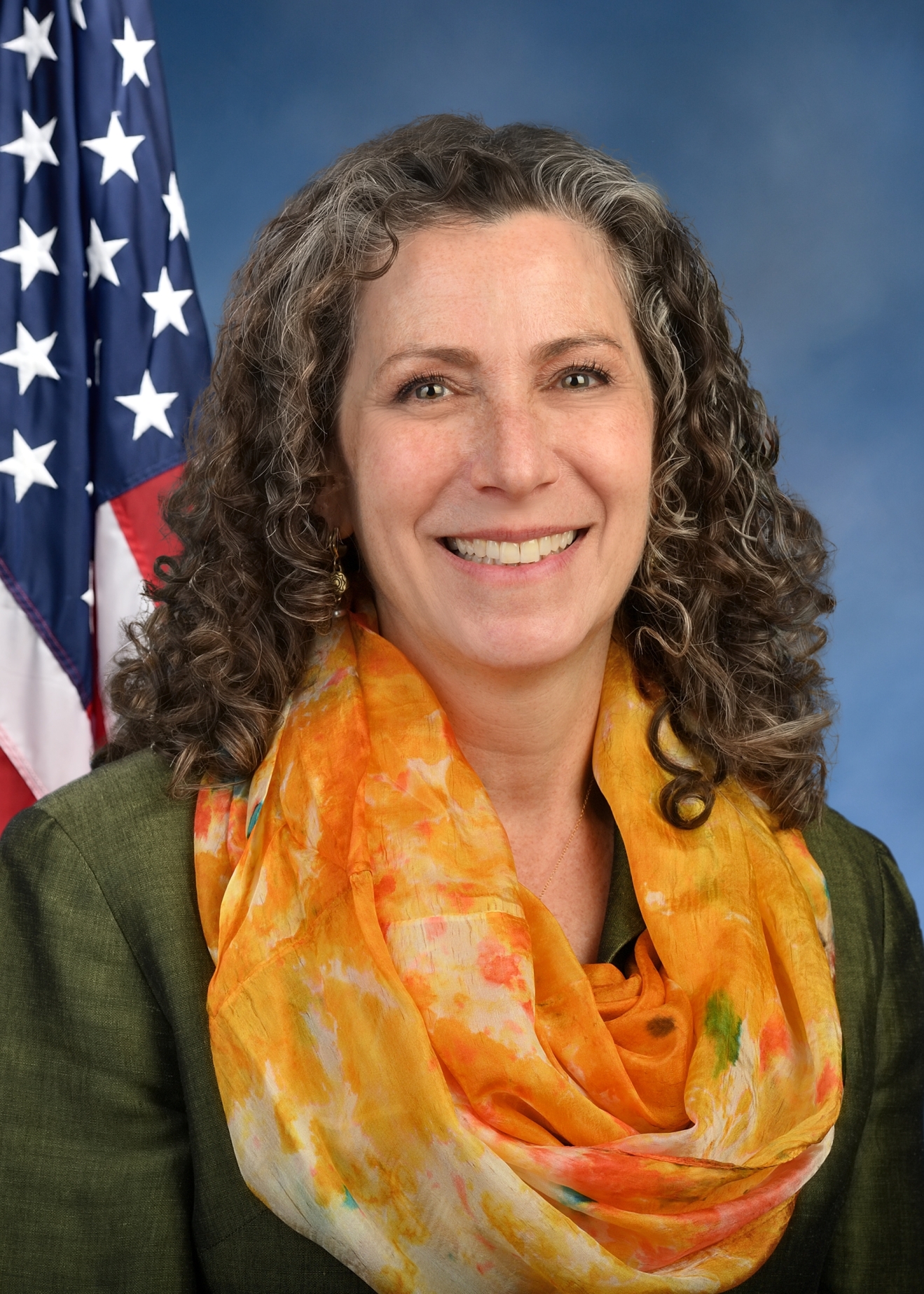
2025 Regular Session Introduced by Dana Levenberg

NJ DOH will subsidize emergency veterinary care for pets of charity-care-eligible residents, via participating NJ veterinarians, funded by the General Fund.

REFERRED TO HIGHER EDUCATION
0
WeVote Research Nonpartisan
Bill Summary · A 5337

Summary of Bill A 5337 (Introduced Feb. 20, 2025)

Note: The bill’s title references professional educational requirements for polysomnographic technology services, but the introduced text provided describes a veterinary care subsidy program under the Department of Health. The following summary reflects the introduced content as presented.

What the bill would do (purpose and intent)

  • Establish a program under the New Jersey Department of Health (DOH) to provide free or reduced-cost emergency veterinary services to the pets of low-income residents who qualify for the state’s charity care program.
  • Tie eligibility for pet emergency care to existing charity care eligibility, expanding public support to the veterinary needs of economically disadvantaged households.
  • Create a framework for funding, administration, and regulatory guidance to implement the emergency veterinary subsidy program.

Key definitions (as used in the bill)

  • Charity care program: State program offering free or reduced hospital care at disproportionate share hospitals to individuals meeting income, asset, and insurance criteria established by the Commissioner of Health.
  • Pet: An animal kept for companionship (not for business or agricultural purposes); excludes exotic animals.
  • Exotic animal: A non-indigenous mammal, bird, reptile, amphibian, fish, mollusk, or crustacean, with certain exceptions for domesticated animals and regulated game species.

Main provisions and changes

  • Program creation (Section 2a–d):
    • Eligible individuals (those meeting charity care income/assets criteria) may apply to DOH for free/reduced-cost emergency veterinary services for their pets at participating in-state veterinary hospitals.
    • Individuals with pet health insurance covering emergency services are ineligible for the subsidies.
    • Veterinary hospitals may apply to participate in the program; DOH will determine allocation of funds and the payment process for subsidized services.
  • Funding (Section 3):
    • Appropriates funds from the General Fund to DOH as necessary to implement the act; the commissioner determines the level of funding required.
  • Regulations (Section 4):
    • DOH is authorized to adopt rules and regulations to implement the act under the Administrative Procedure Act.
  • Effective date (Section 5):
    • The act takes effect on the first day of the ninth month after enactment, with the commissioner allowed to take anticipatory administrative actions to begin implementation.

Who would be affected

  • Primary beneficiaries: Low-income residents eligible for the state charity care program, who own pets in need of emergency veterinary care.
  • Participating entities: In-state veterinary hospitals willing to provide subsidized emergency services to eligible pet owners.
  • Government actors: New Jersey Department of Health (administration, funding allocations, rulemaking) and the Legislature (ongoing oversight).

Procedural and timeline aspects

  • Status and referrals:
    • Introduced February 20, 2025.
    • Referred to Higher Education (listed), and also to Assembly Commerce, Economic Development and Agriculture Committee in different action notices; sponsor actions show Jessica Ramirez and Dana Levenberg.
  • Implementation timeline:
    • Anticipated to begin nine months after enactment, with DOH allowed to start preparatory actions before then.

Fiscal and regulatory context

  • Requires General Fund appropriations to DOH for implementation.
  • DOH would develop funding allocation methodology and payment processes for participating hospitals.
  • Regulatory framework to be established under the Administrative Procedure Act.

Sponsor(s)

  • Jessica Ramirez (primary)
  • Dana Levenberg (primary)

If you’d like, I can compare this bill’s text to the stated title (polysomnographic technology education requirements) and outline the specific inconsistencies or provide a side-by-side map of the bill’s actual provisions versus its listed purpose.

Compiled from official sources — confirm details with the bill’s official record.

Sign in to ask a question.