

WeVote

Bill

Bill

A 6191

Relates to producer responsibility

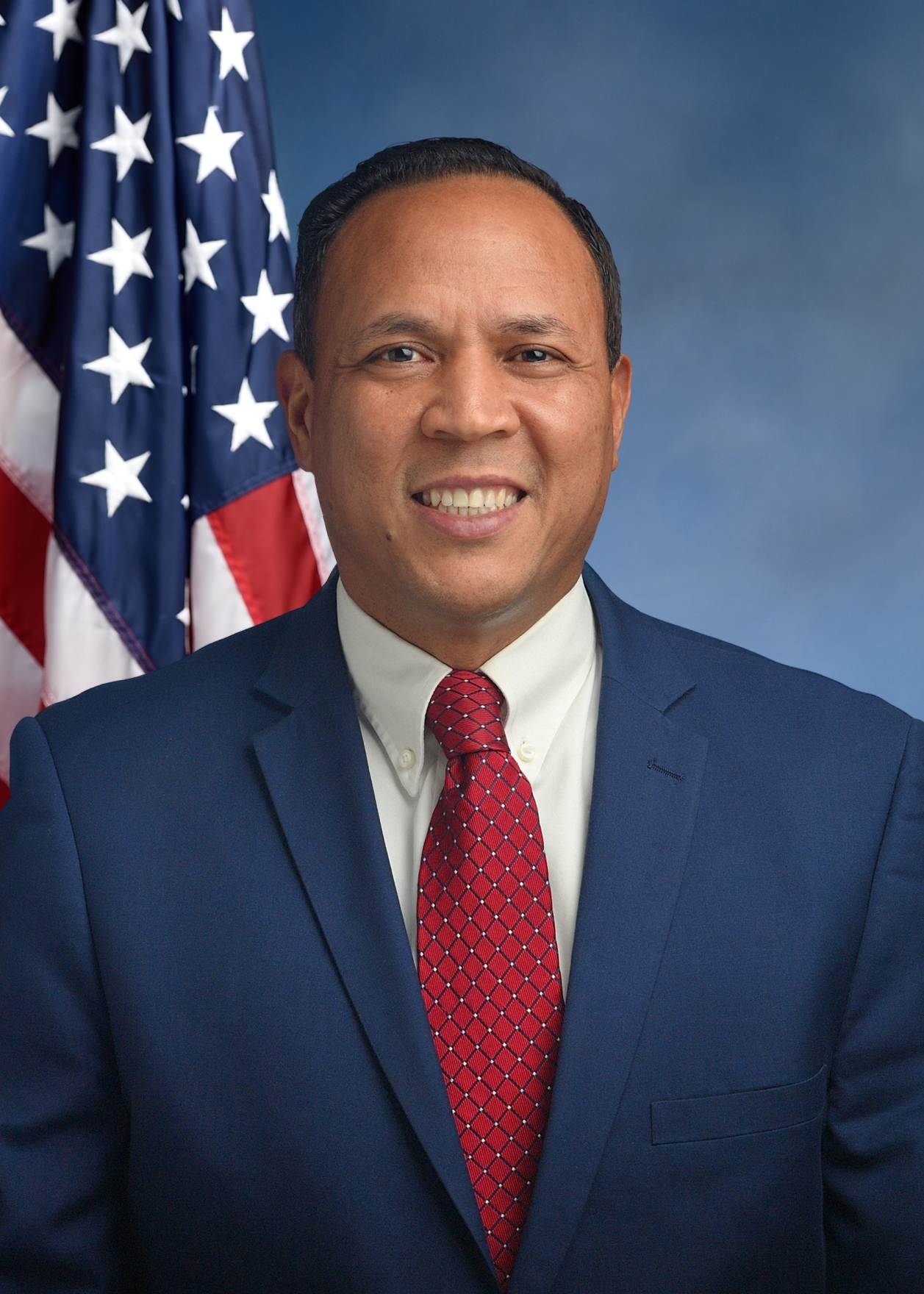
2025 Regular Session Introduced by George Alvarez and 26 co-sponsors

Bill A 6191 holds producers accountable for their products' lifecycle, promoting recycling and reducing waste, benefiting the environment and public health.

REFERRED TO ENVIRONMENTAL CONSERVATION
0
WeVote Research Nonpartisan
Bill Summary · A 6191

Summary of Bill A 6191: Producer Responsibility

Introduction

Bill A 6191, introduced on February 26, 2025, aims to establish a framework for producer responsibility in the state. The bill has been referred to the Committee on Environmental Conservation for further consideration.

Purpose and Intent

The primary purpose of Bill A 6191 is to hold producers accountable for the environmental impact of their products throughout their lifecycle. This includes the responsibility for the collection, recycling, and safe disposal of products once they reach the end of their useful life. The intent is to promote sustainable practices among manufacturers and reduce waste, thereby benefiting the environment and public health.

Key Provisions

While the specific text of the bill is not provided, typical provisions in producer responsibility legislation may include:

  • Extended Producer Responsibility (EPR): Mandating that producers take back their products after consumer use, ensuring proper recycling or disposal.
  • Financial Responsibility: Requiring producers to fund the collection and recycling programs for their products.
  • Reporting Requirements: Imposing obligations on producers to report on the quantities of products sold and the effectiveness of their recycling efforts.
  • Incentives for Sustainable Practices: Encouraging manufacturers to design products that are easier to recycle or have a lower environmental impact.

Affected Parties

The bill would primarily affect:

  • Manufacturers and Producers: Companies that produce consumer goods would need to adapt their practices to comply with the new responsibilities.
  • Consumers: Individuals may see changes in product availability, pricing, and recycling options as manufacturers adjust to the new regulations.
  • Recycling and Waste Management Industries: These sectors may experience increased demand for services related to the collection and processing of returned products.

Procedural Aspects

  • Current Status: As of now, Bill A 6191 has been referred to the Committee on Environmental Conservation, where it will undergo review and potential amendments.
  • Related Legislation: The bill has a companion bill, S 5062, which may provide additional context or support for its provisions.

Conclusion

Bill A 6191 represents a significant step towards enhancing environmental sustainability through producer responsibility. By holding manufacturers accountable for their products, the legislation aims to foster a more circular economy and reduce the environmental footprint of consumer goods. Stakeholders, including producers, consumers, and waste management entities, will need to stay informed as the bill progresses through the legislative process.

Compiled from official sources — confirm details with the bill’s official record.

Sign in to ask a question.