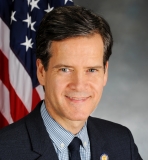
Summary — S.7860 (Hoylman‑Sigal) — Pro bono service by attorneys and bar candidates
Status & procedural history
- Bill number: S 7860 (also appeared as amendment 7860A / 7860B)
- Title: Relates to pro bono service by attorneys and candidates for admission to the bar
- Sponsors: Senator Brad Hoylman‑Sigal (primary); Senator Rachel May (cosponsor)
- Introduced: May 9, 2025
- Major actions:
- Referred to Judiciary (May 9, 2025)
- Printed as 7860A and later amended on third reading as 7860B (amend./recommit activity in May–June 2025)
- Passed the Senate (June 12, 2025); delivered to the Assembly the same day
- Referred to Assembly Judiciary (June 12, 2025)
- Companion assembly bill: A.8318
What the bill is about (purpose)
- The bill’s title indicates it would address pro bono service obligations or reporting for two groups:
1. Licensed attorneys
2. Candidates for admission to the bar (people seeking admission to practice law)
- The overall intent, as suggested by the title, is to promote or regulate pro bono legal service — likely to increase access to legal services for low‑income or underserved populations and/or to formalize pro bono expectations for lawyers and prospective lawyers.
What is known and what is not
- The available record here does not include the bill’s full statutory text (the uploaded version content appears to be embedded PDF data and is not readable here). Therefore specific, enforceable provisions (for example, required hours, reporting mechanisms, exemptions, sanctions, or funding) cannot be stated with certainty.
- For authoritative, binding detail you should consult the official bill text (Senate print S.7860B) or the companion A.8318.
Likely types of provisions and impacts (based on legislative practice for similar bills)
- Possible requirements or mechanisms the bill may include:
- A voluntary or mandatory pro bono hour requirement or expectation for attorneys and/or bar applicants (e.g., a threshold of hours to be completed or certified).
- A reporting or certification system tied to bar admission or license renewal (attorneys certify compliance; bar applicants show pro bono experience).
- Exemptions for certain classes (e.g., recent graduates, solo/small‑firm lawyers, public interest attorneys, health/disability).
- Creation or expansion of administrative oversight (court, bar association, or state agency to track/verify service).
- Protections to ensure pro bono service counts toward professional responsibility/ethical obligations and does not conflict with client confidentiality or conflict rules.
- Funding or support provisions (training, malpractice coverage, or incentives for pro bono work).
- Potential impacts:
- Increased legal help available to low‑income or underserved populations.
- Administrative/recordkeeping costs for bar admission/disciplinary bodies.
- Possible burden on new admittees or small‑firm practitioners if service is mandatory; conversely, increased opportunities for practical experience and public service for students/early‑career attorneys.
- Effects on legal education and clinics if bar admission recognizes pro bono performed during law school.
What to watch for next
- Committee hearings and reports from Assembly Judiciary (where the bill is currently referred).
- The final text of the 7860B amendment and any fiscal notes or memos explaining implementation costs.
- Companion bill A.8318 in the Assembly — compare texts for any differences.
- Specifics on hours, deadlines, exemptions, enforcement, and any funding or administrative assignments.
If you want, I can:
- Retrieve and summarize the full text of S.7860B or companion A.8318 (if available), or
- Track subsequent Assembly actions and prepare an updated analysis when the Judiciary committee posts its report.