

WeVote

Bill

Bill

A 3973

Relates to prescription drug formulary coverage for interchangeable biologics and biosimilars

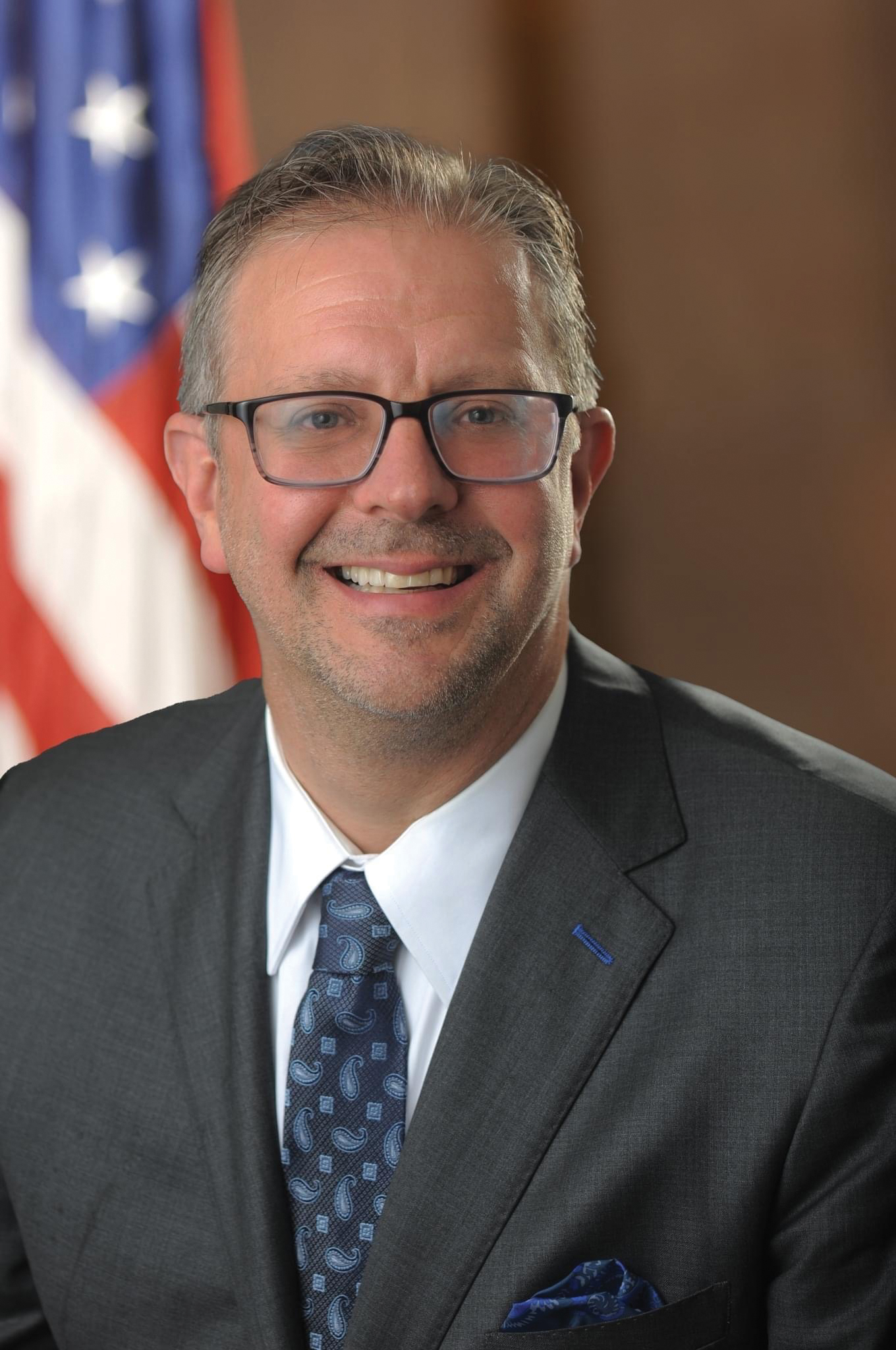
2025 Regular Session Introduced by Keith Brown and 4 co-sponsors

The bill strengthens penalties for referral-related kickbacks to SUD treatment providers by upgrading crimes, adding mandatory fines, and allowing license suspensions for providers

ADVANCED TO THIRD READING CAL.450
0
WeVote Research Nonpartisan
Bill Summary · A 3973

Summary — A3973 (P.L.2025, c.121)

Title: Revises law concerning prescription drug formulary coverage for interchangeable biologics and biosimilars — (note: bill text actually concerns referrals to substance use disorder treatment facilities, recovery residences, and clinical laboratories)

Purpose
To strengthen and broaden criminal and civil prohibitions against payments tied to patient referrals to substance use disorder (SUD) treatment providers by (1) increasing the degree of the offense, (2) expanding who is covered, and (3) adding mandatory monetary penalties and licensing enforcement tools.

Key provisions

  • Upgrades prohibited referral-related offenses from a fourth-degree to a third-degree crime (third-degree ordinarily punishable by 3–5 years imprisonment, a fine up to $15,000 under general law).
  • Creates specific criminal liability for:
    • Making, soliciting, offering, or receiving payments (cash or in-kind), fees, commissions, kickbacks, bribes, or rebates in connection with referring patients to, or in exchange for a patient using the services of, covered SUD providers; and
    • Knowingly assisting, conspiring with, or urging another person to engage in the above conduct.
  • Imposes a mandatory additional fine of $50,000 and restitution for any person convicted under these provisions (explicitly notwithstanding general sentencing provisions).
  • Authorizes administrative enforcement:
    • The Department of Health (Office of Licensing) may investigate licensed health care facilities and clinical laboratories and, upon violation, may suspend/revoke licenses or impose civil penalties — up to $20,000 per violation.
    • The Department of Community Affairs may investigate recovery residences and may suspend/revoke licenses/certifications or impose civil penalties — up to $20,000 per violation.

Definitions and scope

  • Expressly covers: health care providers, health care facilities, non‑profit organizations, clinical laboratories, and recovery residences.
  • Defines “health care provider” to include specific licensed professions (e.g., licensed physicians, registered professional nurses, advanced practice nurses, physician assistants, psychologists, social workers, etc.).
  • Redefines “recovery residence” as a boarding house licensed by DCA that provides sober living and alcohol/drug‑free accommodations but does not provide clinical treatment services.
  • Carves out lawful payments that do not vary based on number of referrals, duration/level/volume/nature of services, or amount of benefits paid by a carrier.

Enforcement, penalties & fiscal impact

  • Criminal prosecutions increase workload for the Department of Law & Public Safety, Judiciary, and Public Defender (OLS: indeterminate expenditure increase).
  • Licensing investigations and adjudications increase workload for DOH, DCA, Division of Consumer Affairs, and the Office of Administrative Law (indeterminate).
  • Potential additional state revenue from fines/civil penalties (indeterminate). OLS notes collection historically limited; many penalties go unpaid. OLS also noted that third‑degree offenses carry a presumption of non‑incarceration for first‑time offenders, so prison costs may be limited; however, repeat offenders could generate DOC costs (OLS cited FY2023 average annual incarceration cost ~$75,574 per inmate).

Legislative status / timeline

  • Introduced: Feb 27, 2024 (A.3973).
  • Committee reports: Favorably reported by multiple committees (Assembly Oversight; Appropriations; Senate Health; Senate Budget & Appropriations with amendments).
  • Passed Senate: Mar 24, 2025 (39–0). Passed Assembly: Jun 30, 2025 (80–0).
  • Approved and enacted: Aug 11, 2025 (P.L.2025, c.121).

Practical effect

Health care professionals, facilities, recovery residences, clinical laboratories, and related organizations face elevated criminal exposure and mandatory monetary penalties for referral-related kickbacks or similar arrangements. Licensed entities also face administrative sanctions (license suspension/revocation and civil fines). The law aims to deter commercialized referral practices that can drive inappropriate placement or utilization in the SUD treatment ecosystem.

Compiled from official sources — confirm details with the bill’s official record.

Sign in to ask a question.