

WeVote

Bill

Bill

A 8044

Relates to penalties for contractors and subcontractors to cable television companies for violations of payroll reporting requirements, and to the payment of workers on certain excavation projects

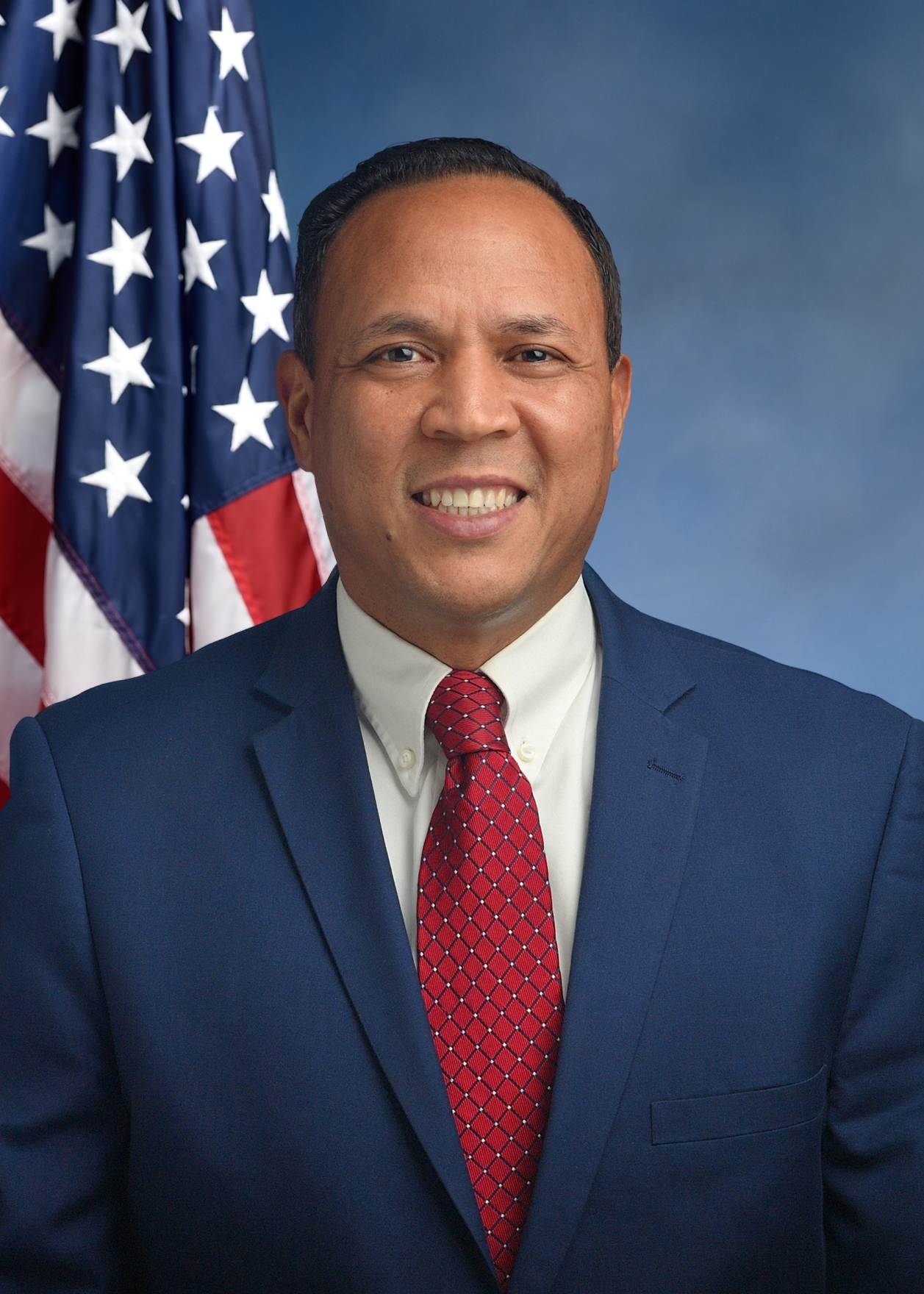
2025 Regular Session Introduced by George Alvarez and 5 co-sponsors

The bill would enforce payroll reporting and timely wage payments by contractors for cable/utility projects, with penalties for violations.

REPORTED REFERRED TO RULES
0
WeVote Research Nonpartisan
Bill Summary · A 8044

Summary of Assembly Bill A 8044

Overview

Assembly Bill A 8044, introduced and referred to the Labor Committee on April 22, 2025, seeks to strengthen enforcement around payroll reporting for contractors and subcontractors working with cable television companies, and to address payment practices for workers on certain excavation projects. The bill has a Senate companion, S 7074. Primary sponsor is Karines Reyes; cosponsors include George Alvarez, Steven Raga, Yudelka Tapia, and Harvey Epstein. The legislative actions list the referral to Labor occurred on April 22, 2025 (duplicated entry indicates the same action).

Purpose and Intent

  • Improve payroll reporting compliance by contractors and subcontractors engaged with cable television projects.
  • Enhance protections and ensure timely or proper payment to workers on specified excavation projects.
  • Promote transparency and accountability in wage and payroll practices within the cable/utility construction sector and related excavation work.

Key Provisions (What the bill would do)

  • Penalties for payroll reporting violations: The bill would impose penalties on contractors and subcontractors working for cable television companies if they fail to comply with payroll reporting requirements. This likely includes penalties for not submitting accurate payroll data or misreporting wages.
  • Worker payment on excavation projects: The measure addresses the payment of workers on certain excavation projects, potentially establishing standards for timely payment and setting penalties or remedies for late or deficient wage payments.
  • Enforcement: Provisions would designate the enforceable standards and the authority responsible for enforcement (likely the state Department of Labor or a related agency) and may specify civil penalties, remedies, or enforcement mechanisms.
  • Definitions and scope: The bill would define terms related to payroll reporting and excavation project work to clarify applicability (e.g., which projects, which workers, and which parties are covered).

Affected Parties

  • Contractors and subcontractors engaged by cable television companies.
  • Cable television companies relying on contractors/subcontractors for project work.
  • Workers on specified excavation projects who are covered by payroll reporting and payment provisions.
  • State labor enforcement agencies responsible for oversight and penalties.

Legislative Track and Timeline

  • Status: Referred to the Labor Committee (April 22, 2025).
  • Related: Senate companion bill S 7074 (listed as the companion in the bill’s materials).
  • Next steps: Committee consideration, potential amendments, and floor votes in the Assembly and Senate, followed by potential gubernatorial action if passed.

Potential Impact

  • Compliance: Could increase scrutiny of payroll reporting and wage payments, prompting better recordkeeping and timely payments.
  • Labor protections: Aims to strengthen protections for workers on construction-related excavation projects.
  • Economic effects: May raise compliance costs for contractors and subcontractors but could improve wage integrity and reduce disputes over payroll and payments.

Notes for Readers

  • The exact text of provisions, penalties, and timelines is not provided here. For precise language, consult the bill’s official text and subsequent amendments once available.
  • Keep an eye on the Senate companion (S 7074) for parallel actions and potential differences in scope or penalties.

Compiled from official sources — confirm details with the bill’s official record.

Sign in to ask a question.