

WeVote

Bill

Bill

A 4057

Relates to New York state active duty

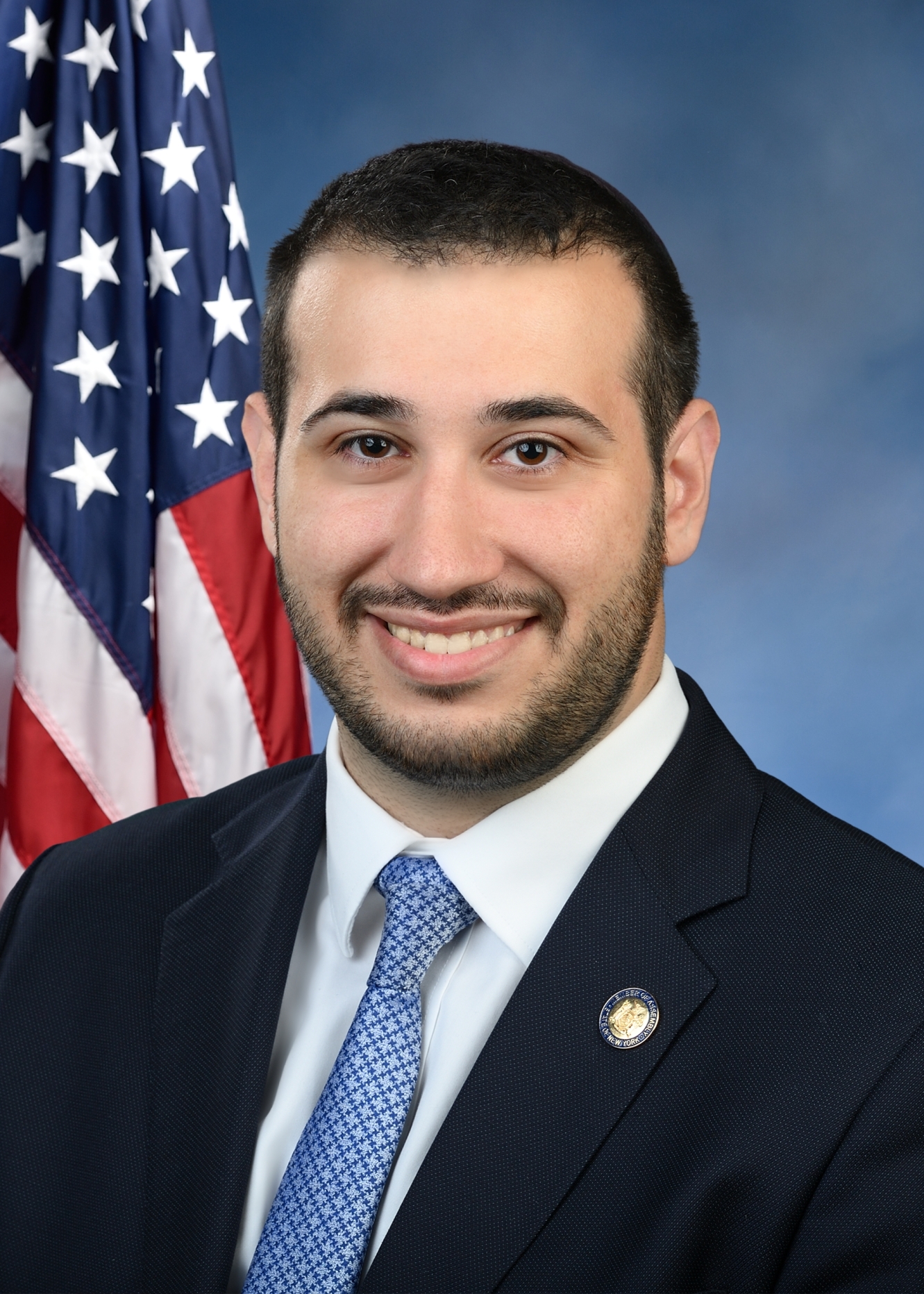
2025 Regular Session Introduced by Sam Berger and 7 co-sponsors

Requires general acute care hospitals to include fentanyl and xylazine in urine drug screens and report de-identified positive results to the New Jersey Department of Health.

REFERRED TO GOVERNMENTAL EMPLOYEES
0
WeVote Research Nonpartisan
Bill Summary · A 4057

Summary — Assembly Bill A4057 (as amended) — New Jersey

Status: Introduced Mar 11, 2024; reported out of Assembly Health Committee with amendments May 13, 2024; most recent referral listed Jan 31, 2025 (Governmental Employees). Sponsors: Assemblyman Julio Marenco, Anthony Verrelli, Dawn Fantasia (and others). Companion/related bills: S3274, S5398; prior-session A10418.

Purpose

Require hospitals that perform urine drug screenings during patient care to test for fentanyl and xylazine and to report positive findings to the State Department of Health. The intent is to improve clinical recognition/treatment of overdoses and strengthen public health surveillance of emerging drug threats.

Key provisions

  • Definition: “Urine drug screening” means a chemical analysis intended to test a patient for multiple drugs (examples listed: cocaine, opioids, phencyclidine).
  • Mandatory testing: When a general acute care hospital licensed under P.L.1971, c.136 conducts a urine drug screening to assist diagnosis, the screening must include tests for:
    • Fentanyl, and
    • Xylazine.
  • Expanded coverage (committee amendment): Hospitals must also test for any drug for which the Commissioner of Health has issued a public health alert on the risk of overdose from illicit use.
  • Reporting: If fentanyl, xylazine, or both (or an alerted drug) are detected, the hospital must report the (de-identified) test results to the Department of Health in a form and manner prescribed by the Commissioner.
  • Flexibility for equipment: Committee amendments permit hospitals without automated analyzer equipment to use drug test strips to satisfy the testing requirement.
  • No change to other laws: The bill expressly does not alter existing mandatory reporting related to opioids/overdoses or affect certain criminal/statutory provisions referenced in P.L.2013, c.46.
  • Effective date: 90 days after enactment.

Who is affected

  • Hospitals: All general acute care hospitals licensed under the referenced statute will need to include fentanyl and xylazine (and any Commissioner‑alerted drugs) in urine drug screens and comply with reporting.
  • Patients: Individuals receiving urine drug screening during hospital care—testing may inform clinical management.
  • Department of Health: Will receive de-identified case-level data and must prescribe reporting format/manner; will use data for surveillance and public health response.
  • Clinical laboratories and hospital EDs: May face operational changes (tests, supplies, protocols); hospitals lacking analyzers may use test strips.

Potential impacts and considerations

  • Clinical: Faster identification of fentanyl and xylazine exposure could guide more appropriate overdose treatment and harm‑reduction interventions.
  • Surveillance: Improves state-level data on the prevalence of fentanyl, xylazine, and other alerted drugs in the drug supply.
  • Operational/cost: Additional testing and reporting create administrative and supply costs for hospitals and labs; the allowance for test strips reduces capital requirements.
  • Privacy: Reporting is required to be de-identified; the bill does not modify other mandatory reporting obligations.
  • Implementation: The Department of Health will determine reporting formats and may issue alerts identifying additional drugs that trigger testing.

This summary reflects the bill text as amended and reported by the Assembly Health Committee (May 13, 2024).

Compiled from official sources — confirm details with the bill’s official record.

Sign in to ask a question.