

WeVote

Bill

Bill

A 8586

Relates to minimum staffing levels for agencies enforcing the minimum standards under the New York State Uniform Fire Prevention and Building Code Act

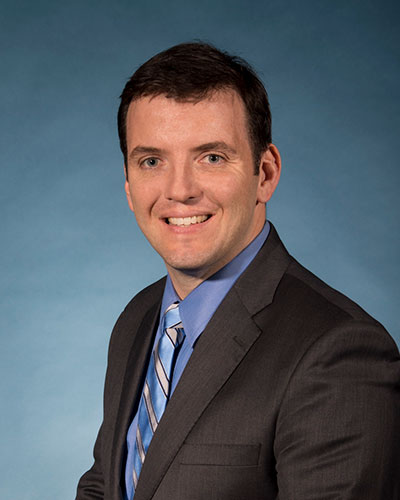
2025 Regular Session Introduced by Pat Carroll and 1 co-sponsor

Establishes minimum staffing levels for agencies enforcing the Uniform Fire Prevention and Building Code Act, boosting enforcement capacity and increasing budgeting needs.

REFERRED TO GOVERNMENTAL OPERATIONS
0
WeVote Research Nonpartisan
Bill Summary · A 8586

Summary of Bill A 8586 (2025)

Overview

Bill A 8586 would relate to establishing minimum staffing levels for agencies responsible for enforcing the minimum standards under the New York State Uniform Fire Prevention and Building Code Act. The bill is currently in the committee stage, having been referred to the Governmental Operations committee.

What the bill would do

  • Establish minimum staffing levels for agencies tasked with enforcing the minimum standards under the Uniform Fire Prevention and Building Code Act.
  • The specific staffing thresholds, enforcement authorities, and implementation timelines would be stated in the bill’s text.

Note: Based on the information available, the exact numerical staffing requirements and associated procedures are not provided. The summary above reflects the bill’s stated aim to create minimum staffing standards.

Sponsorship and status

  • Primary sponsor: Patrick J. Carroll
  • Co-sponsor: Jo Anne Simon
  • Status: Referred to Governmental Operations (introduced May 21, 2025)

Legislative actions and related bills

  • 2025-05-21: Referred to Governmental Operations (twice listed in the record)
  • Related bills:
    • A 8616 (prior-session)
    • S 6906 (companion)

Who would be affected

  • State agencies (and potentially any local or regional enforcement bodies designated under the Uniform Fire Prevention and Building Code Act) responsible for enforcing the minimum standards would be subject to the bill’s requirements. This could involve changes to staffing levels, hiring, and related administrative processes.

Potential impact and considerations

  • Enforcement capacity: If enacted, agencies may be required to maintain higher staffing levels to meet the minimum standards, potentially improving enforcement coverage and consistency.
  • Budgetary considerations: Establishing and maintaining minimum staffing levels could have cost implications for state and local budgets; the bill’s fiscal note (if produced) would address estimated costs and funding sources.
  • Implementation: The bill would depend on defined thresholds and timelines within its text, along with any associated regulatory or administrative actions to implement the staffing requirements.

Next steps

  • The bill would proceed through the committee process in the Legislature. Deliberations would focus on the specific staffing levels, enforcement mechanisms, funding, and any transition provisions.

If you’d like, I can include a brief comparison with the related bills (A 8616 and S 6906) once the texts are available, to highlight similarities or differences in staffing proposals or implementation approaches.

Compiled from official sources — confirm details with the bill’s official record.

Sign in to ask a question.