

WeVote

Bill

Bill

A 9571

Relates to increasing short-term disability benefits

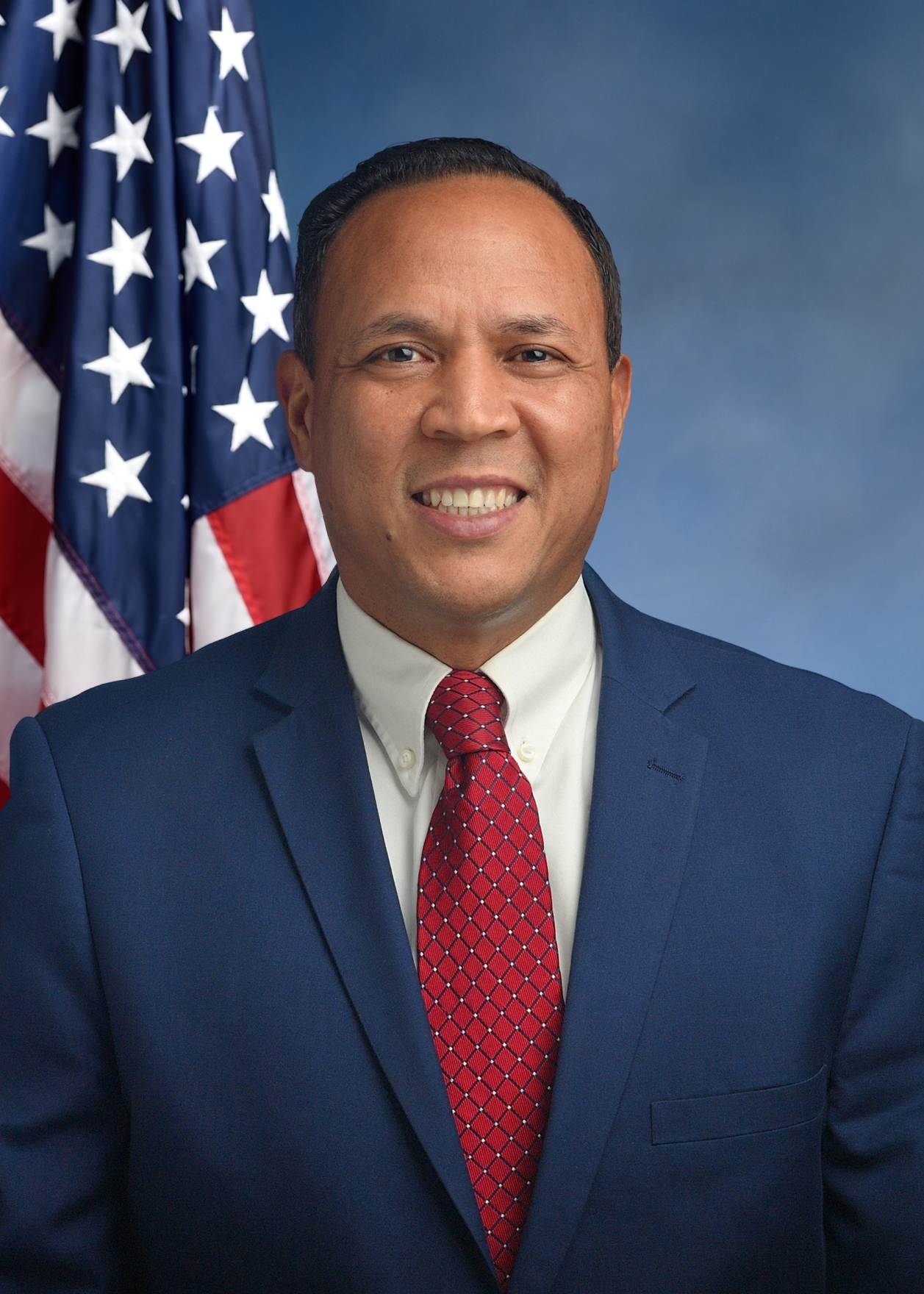
2025 Regular Session Introduced by George Alvarez and 108 co-sponsors

The bill raises short-term disability and family leave benefits for private workers, gradually increasing wage-based amounts and duration while preserving health coverage during le

PRINT NUMBER 9571A
1
WeVote Research Nonpartisan
Bill Summary · A 9571

Overview

A.9571-A (2025-2026) from New York would amend the workers’ compensation law and the insurance law to increase short-term disability benefits, expanding paid disability and family leave benefits for private-sector workers. The measure sets new or updated benefit formulas, adjusts employer-employee contributions, updates health-insurance maintenance during leave, and clarifies claim processes and enforcement. It is designed to gradually raise disability and family leave benefits beginning in 2028, with further annual increases tied to state averages and inflation considerations.

Purpose and Intent

  • Increase short-term disability benefits for eligible employees.
  • Expand and modernize coverage for disability and family leave under the state’s combined disability and paid family leave framework.
  • Align benefit levels with the state average weekly wage over time, while preserving employer and insurer responsibilities.
  • Ensure health benefits continuity during leave and protect employee rights upon return to work.
  • Create oversight mechanisms for funding, administration, and dispute resolution.

Key Provisions and Changes

  • Definition updates:

    • Clarifies “a day of disability” and broadens family leave scope to include specific pregnancy-loss scenarios and other qualifying events.
    • Refines “health care provider” definitions for purposes of leave determinations.
  • Benefit structure (disability and family leave):

    • Family leave:
    • Starting 2018: 50% of average weekly wage, capped at 50% of the state average weekly wage, with increasing duration limits over time (8 weeks in 2018, 10 weeks in 2019, 10 weeks in 2030, then 12 weeks thereafter).
    • Increases in tiers through 2028 and beyond, with annual potential adjustments to reach 67% of wages and a 12-week ceiling in a 52-week period.
    • A floor of at least $100 per week, with higher-wage protections ensuring greater pay; intermittent or partial-week leave permitted.
    • Disability leave:
    • Initial disability benefits for the first 12 weeks would adjust over time (tiered increases from 55% to 67% of wages, subject to caps at the state average weekly wage and a 12-week period for family leave; disability benefits after week 12 through week 26 would generally be 30% of wages, with possible increases at the discretion of the WC Board chair and the Superintendent of Financial Services).
    • Existing schedule preserved for pre-2028 periods, with specified maximums (e.g., caps for older benefit tiers) and explicit provisions for lower-wage employees.
  • Funding and contributions:

    • Employee contribution limits tightened over time (from a fixed weekly amount to a percentage of wages, with caps tied to state averages and prior-year contributions).
    • Establishes reporting and analysis requirements for both traditional insurers and self-funded employers to determine the appropriate contribution levels.
  • Health insurance during leave:

    • Employers must maintain existing health benefits during any period of family or disability leave, consistent with the Family and Medical Leave Act.
    • Special provision for construction workers’ health plans to remain in force during leave, with room for negotiated enhancements via collective bargaining.
  • Administration and dispute resolution:

    • Retains and updates dispute-resolution mechanisms, including potential alternative dispute resolution and arbitration options.
    • Sets timelines for notice, proof of disability, and board determinations; strengthens the ability to seek timely review and payment.
  • Effective date and applicability:

    • Applies to policies issued, renewed, modified, or amended on or after January 1, 2028.
    • Related amendments to health-insurance provisions effective in the same manner as other recent statutory updates.

Affected Parties

  • Private-sector employees covered under New York’s disability and paid family leave programs.
  • Employers (including self-funded employers) and insurers administering disability and family leave benefits.
  • Health plans and health-insurance providers, including construction-industry health arrangements.
  • The New York Workers’ Compensation Board and the Superintendent of Financial Services, which would oversee administration, funding, and regulatory compliance.

Procedural and Timeline Aspects

  • Immediate changes are not effective until 2028 for policy issuance and renewals; several provisions reference phased increases from 2028 onward.
  • The act provides mechanisms for potential delays in specific increases (e.g., by up to one or more years) if the superintendent determines cost or market stability concerns.
  • Detailed procedural requirements for filing, proof, and contested-claim determinations are codified, with emphasis on timely processing and enforcement.

Note: This summary reflects the bill's stated provisions and structure as introduced and amended, and does not reflect any subsequent legislative changes or fiscal analyses.

Compiled from official sources — confirm details with the bill’s official record.

Sign in to ask a question.