

WeVote

Bill

Bill

A 137

Relates to hospitalization, care coordination, and assisted outpatient treatment for persons with mental illness

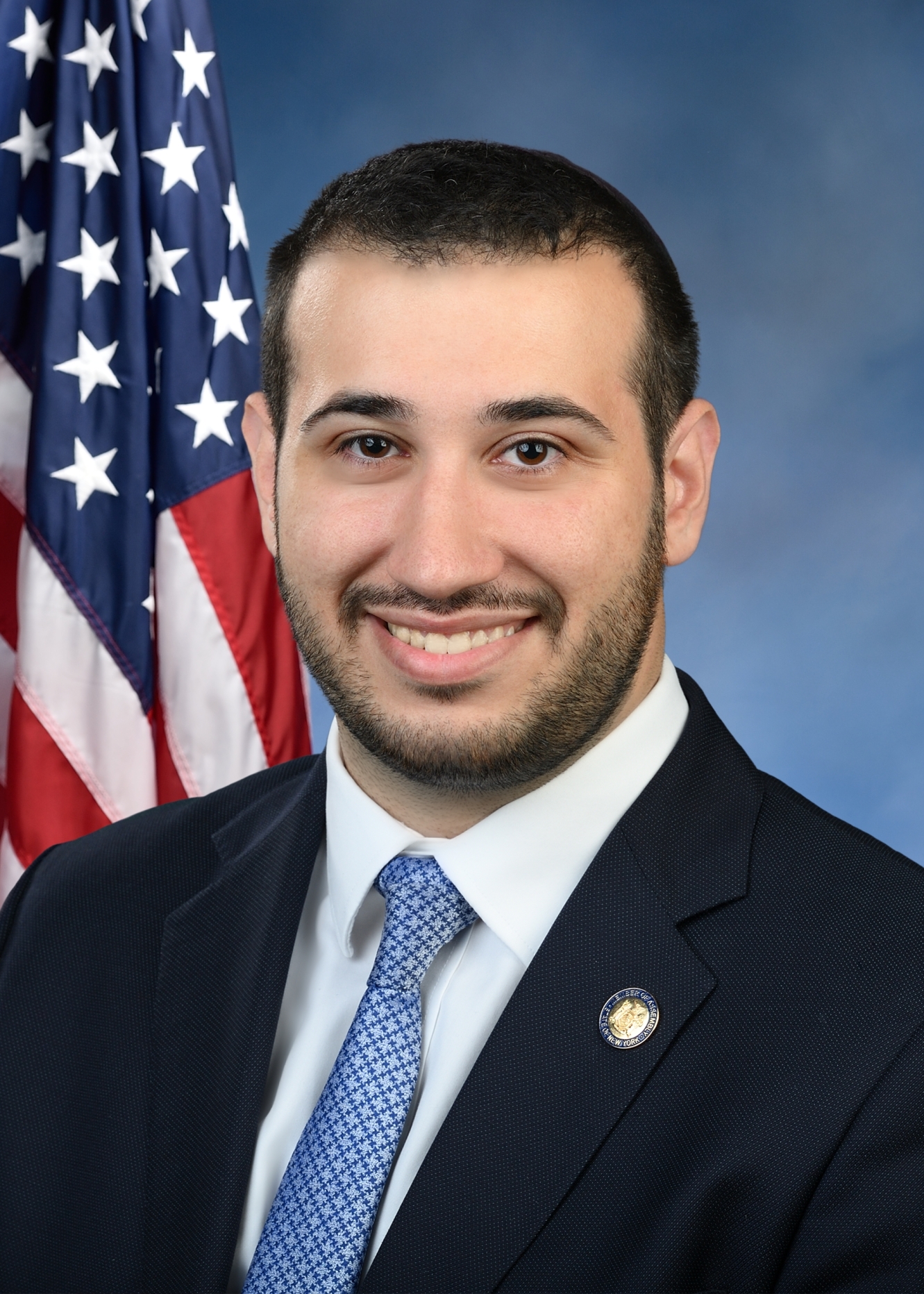
2025 Regular Session Introduced by Sam Berger and 15 co-sponsors

Expands assisted outpatient treatment and strengthens care coordination to ensure engagement in treatment and reduce crises for people with serious mental illness.

REFERRED TO MENTAL HEALTH
0
WeVote Research Nonpartisan
Bill Summary · A 137

Summary: New York Assembly Bill A137 – Relates to hospitalization, care coordination, and assisted outpatient treatment for persons with mental illness

Note: The full text of the bill is not provided here. This summary reflects the bill’s stated purpose based on its title, status, sponsors, and related bill information. Readers should consult the enacted text for precise statutory changes.

Overview and intent

  • Bill Number: A137
  • Title: Relates to hospitalization, care coordination, and assisted outpatient treatment for persons with mental illness
  • Purpose (as inferred from title): To address hospitalization practices, strengthen care coordination for individuals with mental illness, and establish or modify assisted outpatient treatment (AOT) mechanisms intended to ensure engagement in treatment and reduce crises or hospitalizations.
  • Status: Referred to the Mental Health committee (as of January 8, 2025)
  • Introduction: January 8, 2025
  • Primary sponsor: Edward Braunstein (with a broad group of cosponsors)
  • Related bills: A7827 (prior-session), S1080 (companion in the Senate)

What the bill would do (high-level, based on the bill’s title and typical structure of AOT-related legislation)

  • Hospitalization
    • Likely aims to clarify or expand conditions under which hospitalization is appropriate for individuals with mental illness.
    • Could address criteria for involuntary or voluntary hospitalization, patient rights, and coordination with hospitals and emergency services.
  • Care coordination
    • Aims to strengthen coordination among hospitals, outpatient providers, community-based services, and family or support networks.
    • Could establish or enhance care coordination roles (e.g., care coordinators or teams) to ensure continuity of treatment, medication management, and follow-up after crises or hospitalization.
  • Assisted outpatient treatment (AOT)
    • Likely establishes, clarifies, or expands AOT mechanisms to require engagement in treatment for individuals with serious mental illness who meet defined criteria (e.g., history of noncompliance, risk to self/others, and need for supervision).
    • May specify procedures for court orders, criteria to qualify for AOT, services to be provided under AOT, and due process protections (notice, hearings, counsel).
    • Could address the length and conditions of AOT, review processes, and sunset or renewal provisions.

Who would be affected

  • Individuals with mental illness who may require hospitalization, care coordination, or AOT.
  • Families and informal caregivers involved in support and decision-making.
  • Healthcare providers (hospitals, community mental health programs, outpatient clinics) and administrators responsible for implementing care coordination.
  • Courts and law enforcement in the administration and enforcement of AOT where applicable.
  • County or regional mental health authorities responsible for service delivery and funding.

Procedural and timeline aspects

  • Introduction and earliest actions: Introduced January 8, 2025; referred to the Mental Health committee on that date.
  • Next steps (not specified in the provided information): Committee hearings, potential amendments, and votes before floor consideration; passage would then move to the Senate (if applicable) and eventual enactment, subject to negotiation with companion Senate bill S1080.

Related and contextual notes

  • Companion/broader context: S1080 is listed as a companion bill in the Senate, indicating a parallel track in both houses.
  • Related bill A7827 (from a prior session) suggests continuity or expansion of provisions addressing hospitalization, care coordination, and AOT.

Potential impacts and considerations

  • Benefits: Improved treatment engagement, reduced crises, better continuity of care, and clearer pathways for hospitalization and outpatient supervision.
  • Considerations: Balancing public safety and civil liberties, ensuring due process, protecting patient privacy, and securing sustainable funding for care coordination and AOT programs.

For a definitive understanding, please review the bill’s full text, committee reports, and any fiscal impact analyses once available.

Compiled from official sources — confirm details with the bill’s official record.

Sign in to ask a question.