

WeVote

Bill

Bill

A 3262

Relates to funding early intervention services

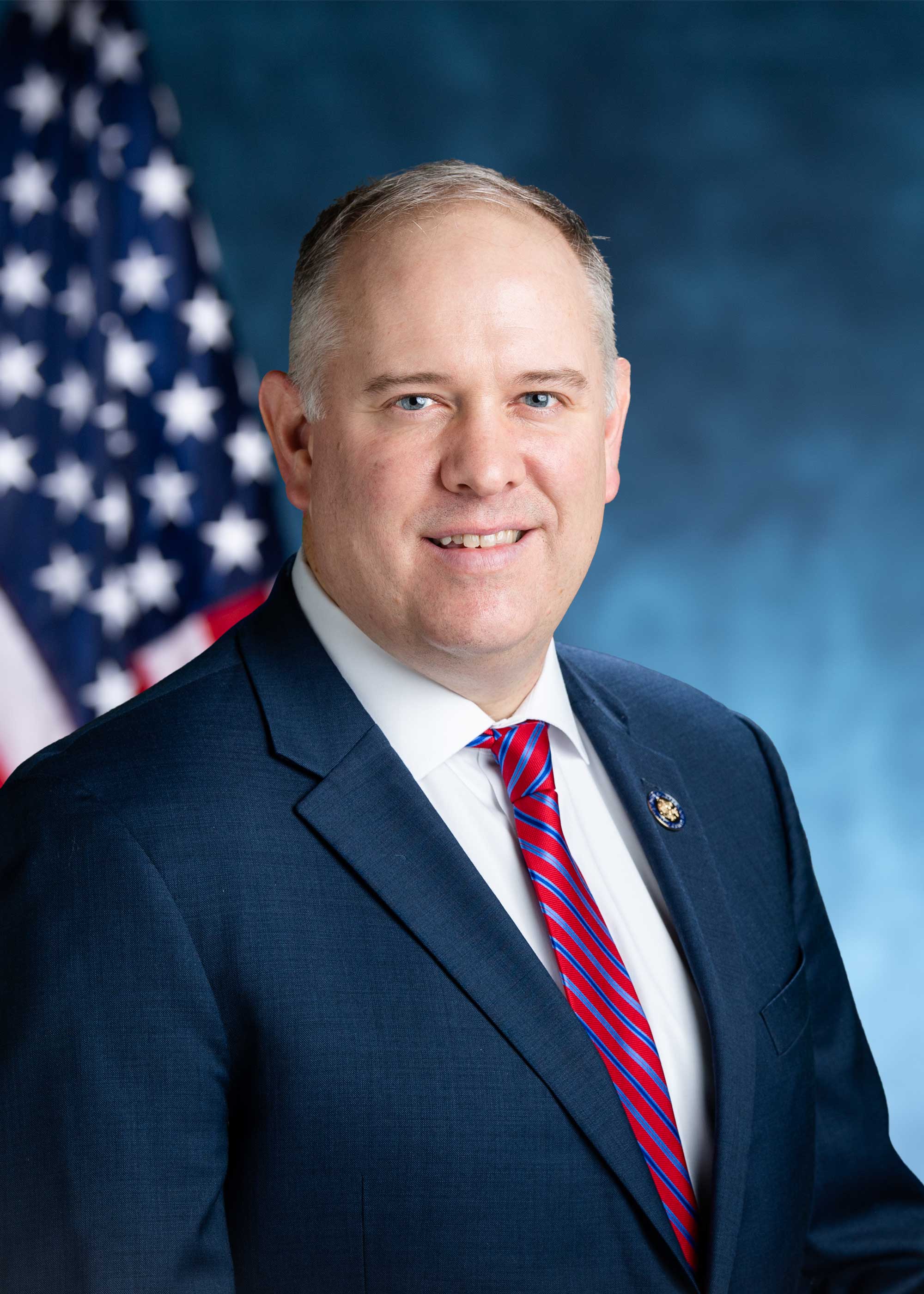
2025 Regular Session Introduced by Bill Conrad and 3 co-sponsors

Summary of Bill A 3262: Funding for Early Intervention Services Bill OverviewThis bill, titled "Relates to funding early intervention services," aims to increase funding and suppor

REFERRED TO HEALTH
0
WeVote Research Nonpartisan
Bill Summary · A 3262

Summary of Bill A 3262: Funding for Early Intervention Services

Bill Overview

This bill, titled "Relates to funding early intervention services," aims to increase funding and support for early intervention programs that provide essential services to young children with developmental delays or disabilities. The bill was introduced on January 9, 2024 and has been referred to the Health committee.

Key Provisions

  • Increases annual appropriations for the state's early intervention program by $50 million, bringing the total budget to $200 million.
  • Requires the state health department to establish a grant program to fund innovative, evidence-based early intervention initiatives at the local level.
  • Expands eligibility for early intervention services to include children up to age 6, up from the current cut-off of age 3.
  • Mandates that private insurance providers cover early intervention services, with no out-of-pocket costs to families.
  • Directs the health department to develop a statewide public awareness campaign to promote access to early intervention programs.

Potential Impact

If enacted, this bill would significantly strengthen the state's early intervention system in several ways:

  1. Increased Funding: The $50 million boost in annual funding would allow for expanded services, improved infrastructure, and better compensation for early intervention professionals.

  2. Broader Eligibility: Extending the eligibility age to 6 would ensure more children receive critical support during their crucial developmental years.

  3. Improved Insurance Coverage: Requiring private insurers to cover early intervention services would reduce financial barriers for families and increase utilization of these programs.

  4. Public Awareness: The mandatory public awareness campaign would help connect more families to the early intervention resources available in their communities.

Overall, this bill represents a major investment in supporting the healthy development of young children with special needs or developmental delays. Its passage could have a transformative impact on early childhood outcomes across the state.

Compiled from official sources — confirm details with the bill’s official record.

Sign in to ask a question.