

WeVote

Bill

Bill

A 2669

Relates to establishing the New York state education equity fund and authorizing the dormitory authority of the state of New York to invest to cover capital costs for charter schools

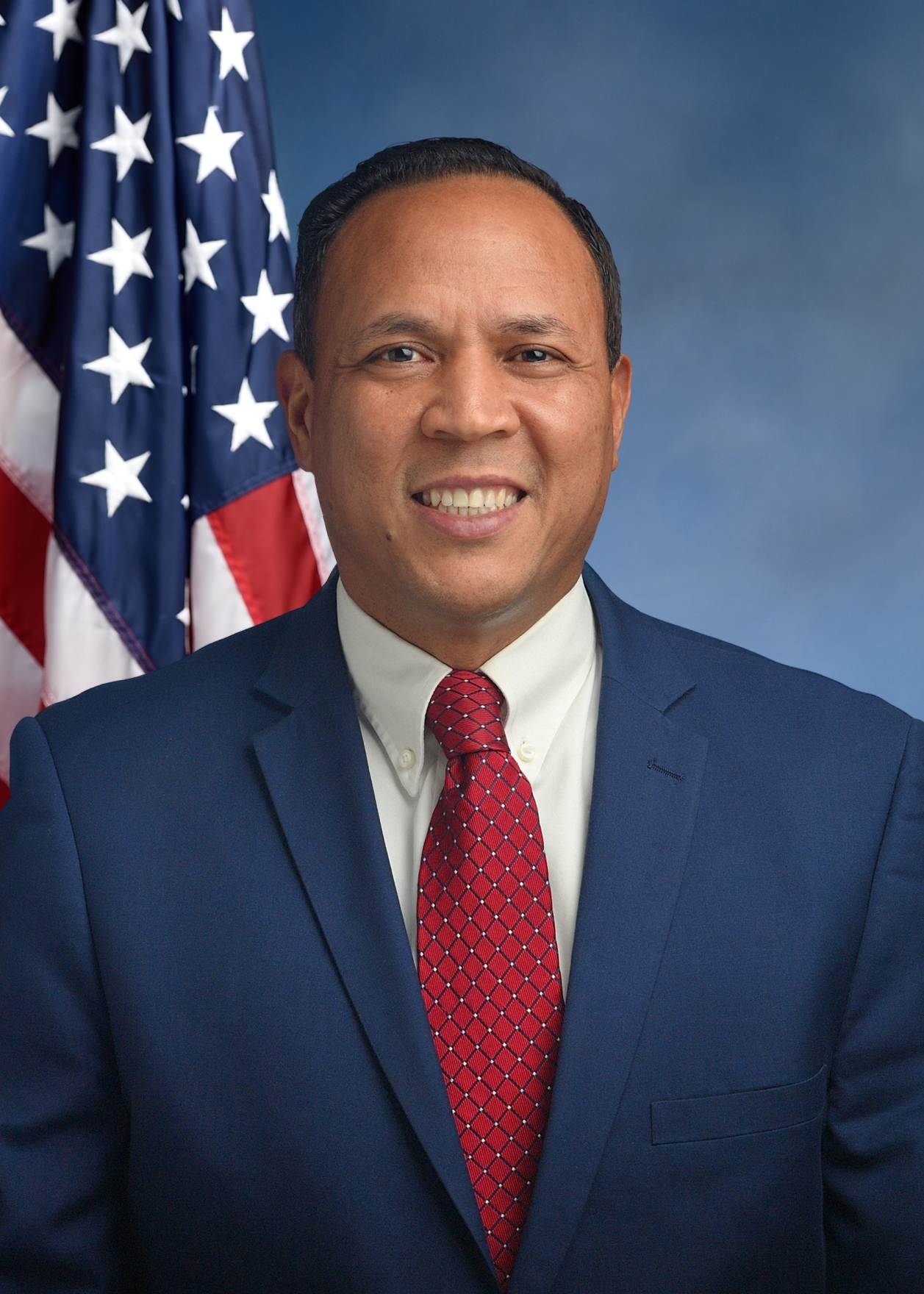
2025 Regular Session Introduced by George Alvarez and 2 co-sponsors

Creates the New York State Education Equity Fund and authorizes DASNY to invest to cover charter school capital costs, boosting facilities funding for charter schools.

REFERRED TO EDUCATION
0
WeVote Research Nonpartisan
Bill Summary · A 2669

Summary of New York A 2669 (2025)

Overview

A 2669 is a bill introduced on January 21, 2025, and referred to the Assembly Committee on Education. The bill is sponsored by primary sponsor Brian Cunningham, with cosponsors Eddie Gibbs and George Alvarez. A related prior-session bill is A 6150.

Purpose and intent

  • Establish a New York State Education Equity Fund intended to advance education equity.
  • Authorize the Dormitory Authority of the State of New York (DASNY) to invest in order to cover capital costs for charter schools.

What the bill would do

  • Create a dedicated fund—the New York State Education Equity Fund—to support capital-related needs tied to education equity (the bill text would specify eligible uses, governance, and funding mechanisms).
  • Grant DASNY authority to make investments designed to cover capital costs for charter schools. This implies DASNY could use its financing and investment tools to support charter school capital projects (e.g., facilities, construction, renovations), potentially leveraging state investments or debt mechanisms to secure funding for these projects.

Key provisions (as described)

  • Establishment of the New York State Education Equity Fund.
  • Authorization for DASNY to invest to cover charter school capital costs.
  • The exact governance, eligibility criteria, investment parameters, repayment terms (if any), reporting, and oversight would be defined in the bill’s full text (not provided here).

Affected parties and stakeholders

  • Charter schools, which could gain access to enhanced financing or capital support for facilities.
  • The Dormitory Authority of the State of New York (DASNY), as the instrument for investments to fund capital costs.
  • The New York State education system, including affected districts, students, and families seeking equitable education opportunities.
  • State policymakers and oversight bodies that would monitor the fund and DASNY activities.

Procedural and timeline aspects

  • Status: Referred to the Assembly Education Committee (indicated as “REFERRED TO EDUCATION”).
  • Introduced: January 21, 2025.
  • Legislative actions listed show the same referral date (no further actions recorded in the provided content).
  • Related action: A 6150 from a prior session, indicating potential precedent or parallel ideas.

Potential fiscal and policy implications

  • Positive: Could improve access to capital for charter school facilities, supporting equity in educational opportunities.
  • Fiscal considerations: The bill would define how the fund is capitalized and how DASNY investments are managed, including potential impacts on state debt capacity, investment risk, and long-term obligations. Details such as funding sources, expected return, cost of capital, and repayment terms would be determined in the full text.
  • Oversight and accountability: The bill would likely set reporting and oversight provisions to ensure transparency and proper use of funds.

Next steps and questions to watch

  • What are the exact eligibility criteria for projects funded under the Education Equity Fund?
  • How would DASNY structure the investments (debt, equity-like instruments, guarantees, or other mechanisms)?
  • What are the funding sources for the fund (general fund appropriation, bonds, public-private partnerships, etc.)?
  • What accountability, reporting, and oversight requirements accompany the fund and DASNY investments?
  • How would this interact with existing charter school financing and public school capital programs?

This summary reflects the information available from the bill’s introductory details. A full-text review would provide precise provisions, definitions, and operational details.

Compiled from official sources — confirm details with the bill’s official record.

Sign in to ask a question.