

WeVote

Bill

Bill

A 3804

Relates to establishing the broadband investment tax stabilization (BITS) act

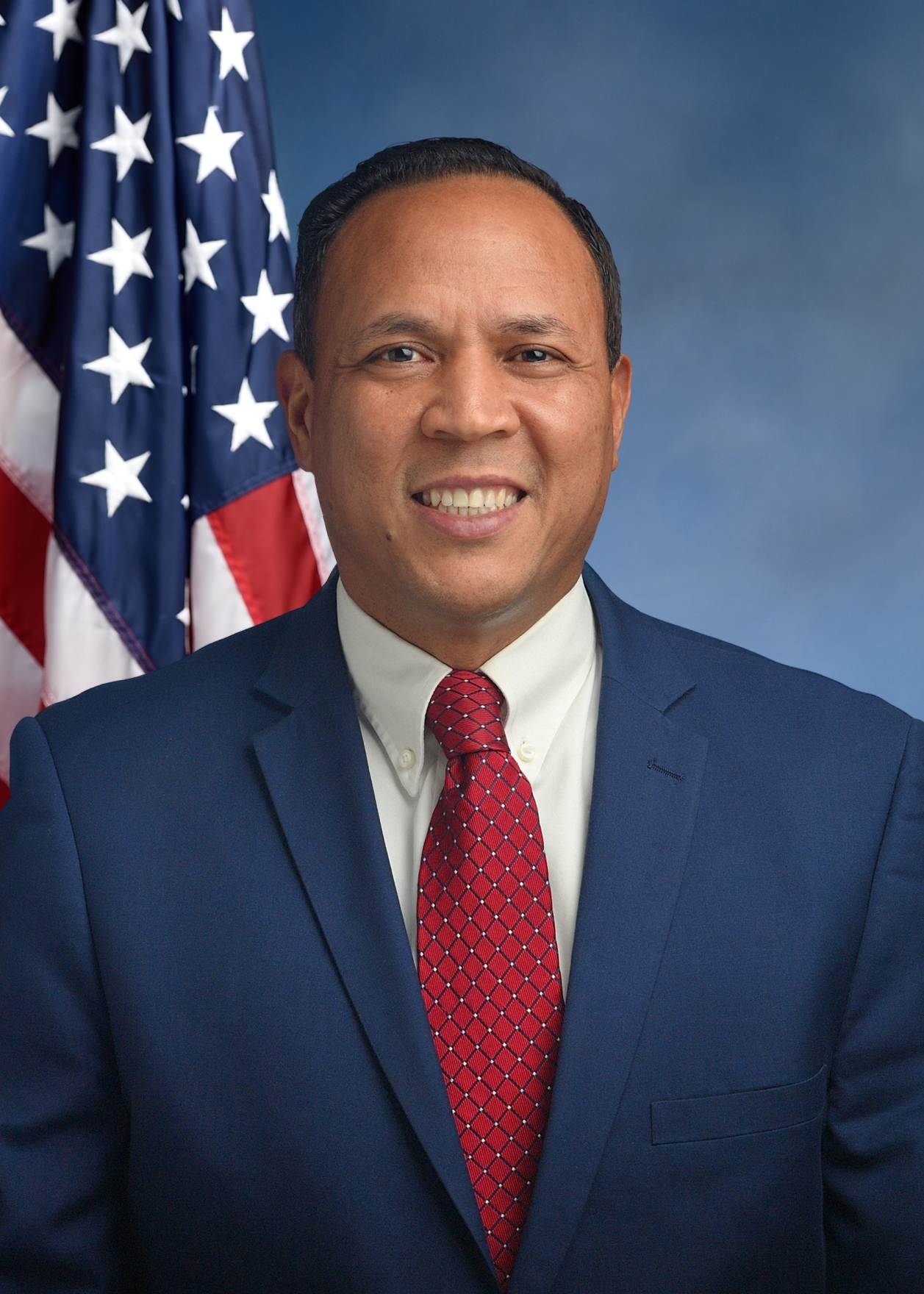
2025 Regular Session Introduced by George Alvarez and 1 co-sponsor

Creates a 15-member Interagency Council on Menopause in the NJ Department of Health to promote evidence-based care, education, research, and policy for perimenopause and menopause.

PRINT NUMBER 3804A
0
WeVote Research Nonpartisan
Bill Summary · A 3804

Summary — A3804 / A3804A (Introduced Feb 22, 2024; Print No. 3804A)

Status: Print Number 3804A. Referred to Assembly Community Development & Women’s Affairs (2/22/2024); later referred and AMEND (T) and recommitted to Real Property Taxation (1/30/2025; 3/10/2025). Sponsors: George Alvarez (primary); Kwani O’Pharrow (cosponsor). Companion/related bills: S2693, S2177 and several prior-session measures.

Note on source discrepancy
- The bill header in the provided record names a “Broadband Investment Tax Stabilization (BITS) Act,” but the full text included in the record is an “Act establishing an Interagency Council on Menopause.” This summary treats the actual bill text provided (Interagency Council on Menopause). If you need the BITS tax-stabilization content, please confirm which version you want summarized.

Purpose / Intent

Establish an Interagency Council on Menopause in the New Jersey Department of Health (DOH) to promote evidence-based care, education, research, coordination, and policy recommendations related to perimenopause, menopause, and post-reproductive health so that people experience improved health and quality of life during midlife and beyond.

Key provisions

  • Creates a 15-member Interagency Council on Menopause housed in DOH:
    • 3 ex officio members (or their designees): Director, Office of Women’s Health (DOH); Assistant Commissioner, Family Health Services (DOH); Director, Division on Women (Department of Children and Families).
    • 12 public members appointed by the Governor representing: a person with perimenopause, a person with menopause, a public health educator, menopause treatment/research expert, women’s health organization representative, epidemiologist, gynecologist who is a menopause specialist, general practitioner with menopause expertise, geriatrician, registered nurse, nutritionist experienced with menopause care, and a women’s health advocacy representative.
  • Administrative details:
    • Public members serve without compensation; may be reimbursed for travel/expenses within available funds.
    • Council must organize within 60 days of appointments, elect chair and vice-chair, and may appoint a secretary.
    • DOH provides staff support. Council may hold hearings, request assistance from other government entities, and consult outside experts.
  • Duties and powers:
    • Promote understanding of perimenopause, menopause, and healthy aging.
    • Disseminate evidence-based, multilingual, culturally sensitive education to health professionals and policymakers.
    • Support and promote research on perimenopause/menopause.
    • Facilitate collaboration among providers, agencies, research institutions, and community organizations.
    • Encourage multidisciplinary care models and develop State-supported evidence-based treatment services.
    • Create public information/dissemination plans across media (TV, radio, internet, print, social media).
    • Make policy recommendations to the Legislature on quality and access to care.
  • Reporting:
    • Commissioner of Health must report to the Governor and Legislature no later than 18 months after the act’s effective date, and annually thereafter, describing activities, findings, and recommendations.
  • Effective date: immediately upon enactment.

Who is affected / likely impacts

  • Primary beneficiaries: people experiencing perimenopause and menopause in New Jersey.
  • Secondary: health care providers (gynecologists, primary care, geriatricians, nurses, nutritionists), public health educators, medical societies, advocacy organizations, and research institutions.
  • Administrative impact: DOH will provide staffing; unspecified costs may result from staffing, council operations, outreach, and any State-supported programs (no appropriation specified in the text).
  • Policy impact: could improve provider education, standardize best practices, stimulate research, and lead to legislative or regulatory changes based on council recommendations.

Procedural/timeline notes

  • Council must convene within 60 days of appointments.
  • Initial report due 18 months after the law takes effect; annual reports thereafter.
  • Recent legislative activity (2025) shows amendments and recommitment to Real Property Taxation — suggest confirming current text/status and whether multiple subject changes occurred (given the header/content mismatch).

Compiled from official sources — confirm details with the bill’s official record.

Sign in to ask a question.