

WeVote

Bill

Bill

A 3496

Relates to enhancing patient access to medication assisted treatment for treatment of opioid disease

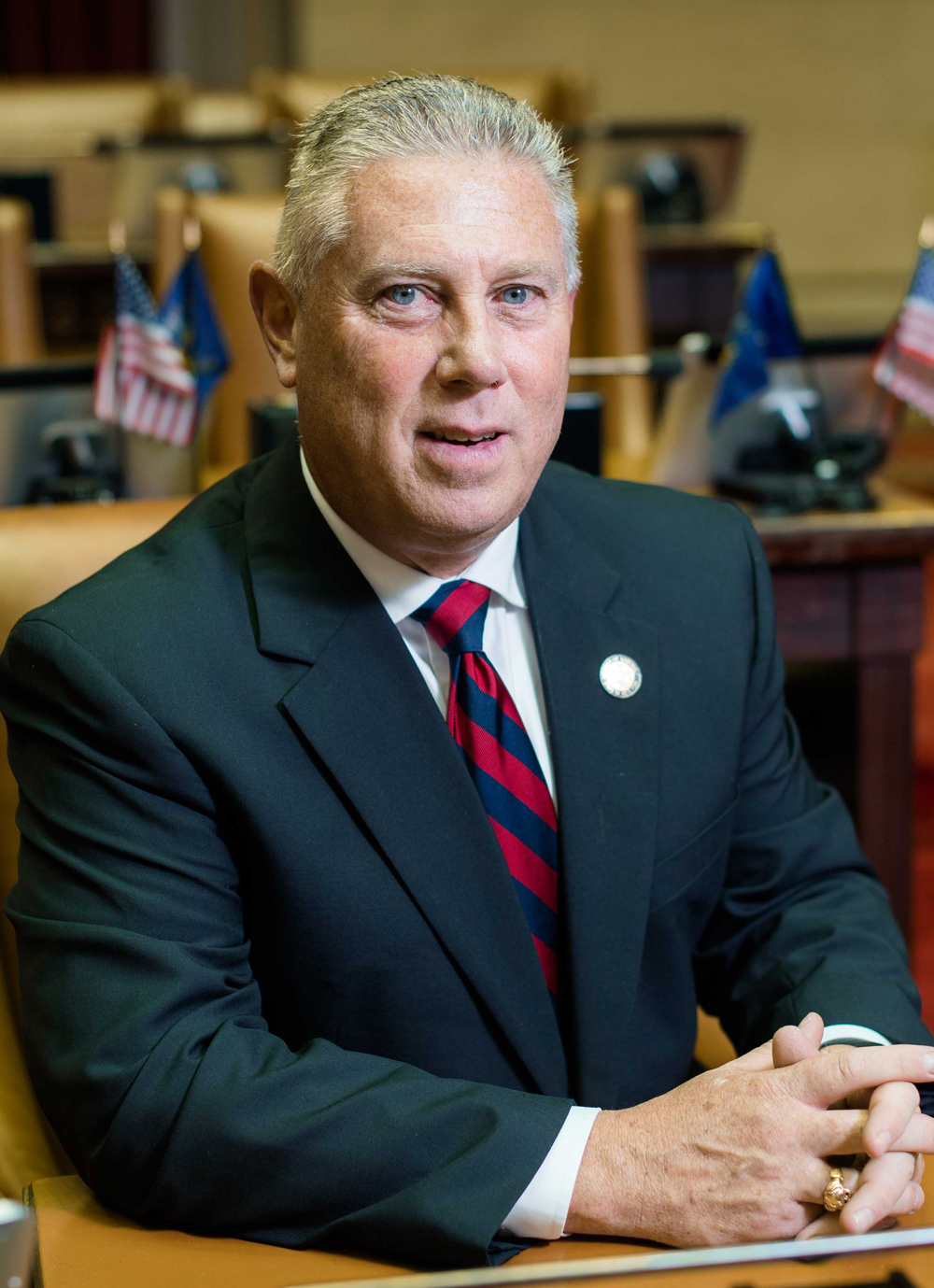
2025 Regular Session Introduced by John McDonald and 1 co-sponsor

Allows certain snow removal vehicles to display green warning lights in addition to amber to improve visibility and safety during winter highway operations.

REFERRED TO HIGHER EDUCATION
0
WeVote Research Nonpartisan
Bill Summary · A 3496

Summary — Assembly Bill A3496 (1R)

Title: Relates to enhancing patient access to medication assisted treatment for treatment of opioid disease
Bill No.: A3496
Introduced: February 5, 2024
Primary sponsor: Asm. John T. McDonald III; cosponsor: Asm. Phil Steck
Status (from provided record): Referred to Assembly Transportation and Independent Authorities Committee (2/5/2024); reported out of committee with amendments (3/10/2025). (Records also show referral entries to Higher Education on 1/28/2025.)

Note: Despite the bill title above, the text and committee statement address permitting certain public snow‑removal/road‑maintenance vehicles to display green warning lights in addition to amber lights.

Purpose / Intent

To authorize specified public motor vehicles used for snow and ice removal to be equipped with one or more green warning lights (in addition to existing amber warning lights) under defined conditions, with the aim of improving identification and safety for such vehicles while they perform roadway winter‑maintenance operations.

Key provisions

  • Amends R.S.39:3-54 and R.S.39:3-50.
  • Permits one or more green lights to be affixed to motor vehicles used for removal or prevention of ice and snow on roadways that are:
    • Owned and operated by the State, any bi‑state or interstate governmental agency or authority, or any local government unit; or
    • Contracted by the Department of Transportation (DOT) for such use.
  • Conditions for displaying green lights:
    • The vehicle must be engaged in an operation that presents a vehicular traffic hazard requiring the exercise of unusual care in approaching, overtaking, or passing; and
    • The vehicle must also display the amber light(s) already required under current law.
  • Administrative rules and permits:
    • The Department of Transportation has authority to permit the use of green lights on these vehicles.
    • Vehicles authorized under this provision are not required to obtain an additional permit from the New Jersey Motor Vehicle Commission (MVC)/Chief Administrator to display green lights.
  • Adjusts R.S.39:3-50 to explicitly allow these vehicles as an exception to general front‑lighting color restrictions.
  • Technical updates: corrects statutory citations and references to the chief administrator.
  • Effective date: immediately upon enactment.

Who is affected

  • Directly: State and local public works fleets, DOT‑contracted private contractors, and bi‑state/interstate authority fleets that operate snow‑removal or road‑salting vehicles.
  • Indirectly: Motorists and other road users (clearer vehicle identification during winter operations), law enforcement, and the MVC/Chief Administrator (permit/enforcement scope clarified).

Potential impacts and implementation notes

  • Safety/visibility: Green lights may help drivers more readily identify winter‑maintenance vehicles and recognize hazardous operations, potentially improving driver caution and reducing collisions.
  • Regulatory implementation: DOT will exercise permitting authority and may issue guidance on appropriate use; no additional MVC permit fee or process will be required for these green lights under this bill.
  • Limited scope: Use of green lights is narrowly conditioned—must be combined with amber lights and limited to active snow/ice hazard operations—reducing risk of misuse or driver confusion.

Related legislation

  • Companion/related: S2697; S2625; prior-session A6778.

(Prepared from text, committee statement, and legislative action dates provided.)

Compiled from official sources — confirm details with the bill’s official record.

Sign in to ask a question.