

WeVote

Bill

Bill

A 6376

Relates to discovery restrictions for photographs of minors depicting sexual or other intimate parts

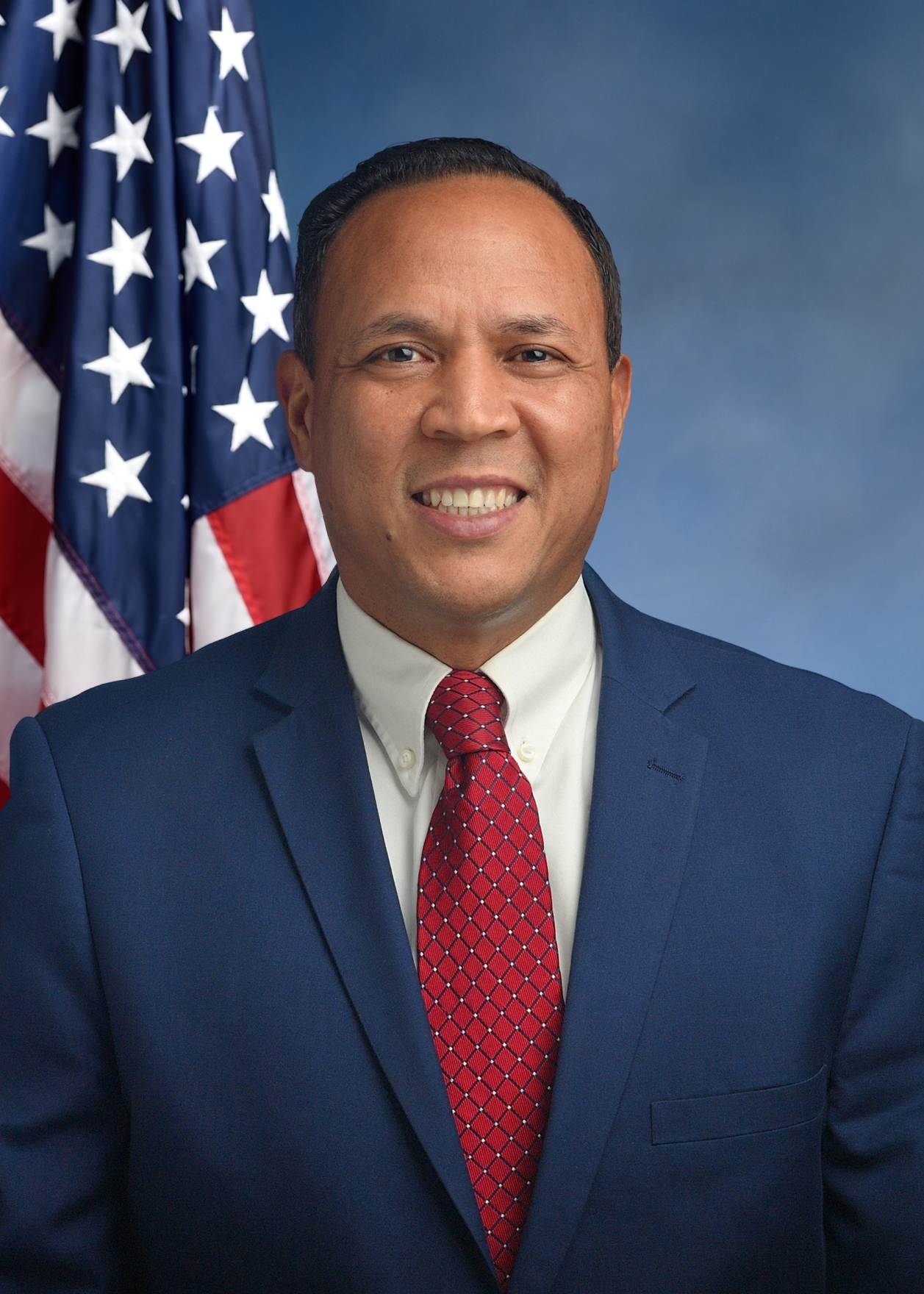
2025 Regular Session Introduced by George Alvarez and 6 co-sponsors

Restricts discovery of photographs of minors showing sexual or intimate parts to protect minors in litigation.

REFERRED TO CODES
0
WeVote Research Nonpartisan
Bill Summary · A 6376

Summary of New York Assembly Bill A 6376

Overview

  • Bill number: A 6376
  • Title: Relates to discovery restrictions for photographs of minors depicting sexual or other intimate parts
  • Status: Referred to Codes (Committee)
  • Introduced: March 4, 2025
  • Classification: Bill
  • Related legislation: Prior-session bills A 8845, A 7932, A 2351; Senate companion: S 3839 (listed twice)

Note: The summary below focuses on information available from the bill’s title and status. The actual text would specify the precise provisions, definitions, and procedures.

Purpose and Intent

  • The bill appears to establish or modify rules governing discovery in legal proceedings (civil or criminal) related to photographs of minors that depict sexual or other intimate parts.
  • The objective, as suggested by the title, is to restrict access to such photographs during the discovery phase, aiming to protect minors and reduce the risk of further harm or exploitation through disclosure in litigation.

Scope and Key Concepts (as implied by the title)

  • Subject matter: Photographs of minors (persons under age 18) showing sexual or intimate parts.
  • Focus: Discovery process in litigation, potentially including requests for production, inspections, depositions, or other discovery devices.
  • Likely outcomes (to be confirmed in the bill text): Restrictions on making these photographs discoverable, requirements for redaction, sealing, or protective orders, and potential exemptions or procedures for handling such materials.

What to Look for in the Bill Text (provisions likely to appear)

  • Definitions: Precise definitions of “photographs,” “minors,” “sexual or intimate parts,” and “discovery.”
  • Scope: Whether restrictions apply to civil cases, criminal cases, or both; any temporal limitations or retroactivity.
  • Procedures: How parties must request or redact such materials; standards for granting protective orders or sealing orders.
  • Exceptions: When disclosure might be permitted (e.g., for law enforcement, expert testimony, or court proceedings) and what safeguards are required.
  • Remedies and sanctions: Consequences for noncompliance with discovery restrictions.
  • Privacy and access: Procedures for redaction, anonymization, or restricted access by protected persons or parties.
  • Duration: How long restrictions last and conditions for modification or removal of protections.

Affected Parties and Impacts

  • Primary impact: Litigation participants (plaintiffs, defendants, their counsel) and the courts handling discovery.
  • Protections for minors: Strengthened privacy and protection from unnecessary exposure during litigation.
  • Potential implications: Could restrict evidence in child-sexual-exploitation or related cases, influence investigations, and affect how sensitive material is handled in court records and discovery.

Procedural and Timeline Aspects

  • Current status indicates the bill has been introduced and referred to the Codes Committee; no floor votes or enacted provisions are available yet.
  • If advanced, the bill would proceed through the Committee, potentially followed by floor consideration and, if approved, passage by the Assembly and possible consideration in the Senate (or related companion measures).

Related Legislation

  • A 8845, A 7932, A 2351: Prior-session bills with related scope or provisions.
  • S 3839: Senate companion bill (noted twice; indicates cross-chamber interest in similar reforms).

This summary presents the essential information available from the bill’s title and status. For a precise understanding of the obligations, protections, and exceptions, the full text of A 6376 would need to be reviewed once published by the Legislature.

Compiled from official sources — confirm details with the bill’s official record.

Sign in to ask a question.