

WeVote

Bill

Bill

A 5258

Relates to disallowing county industrial development agencies from offering incentives in municipalities which have their own industrial development agency

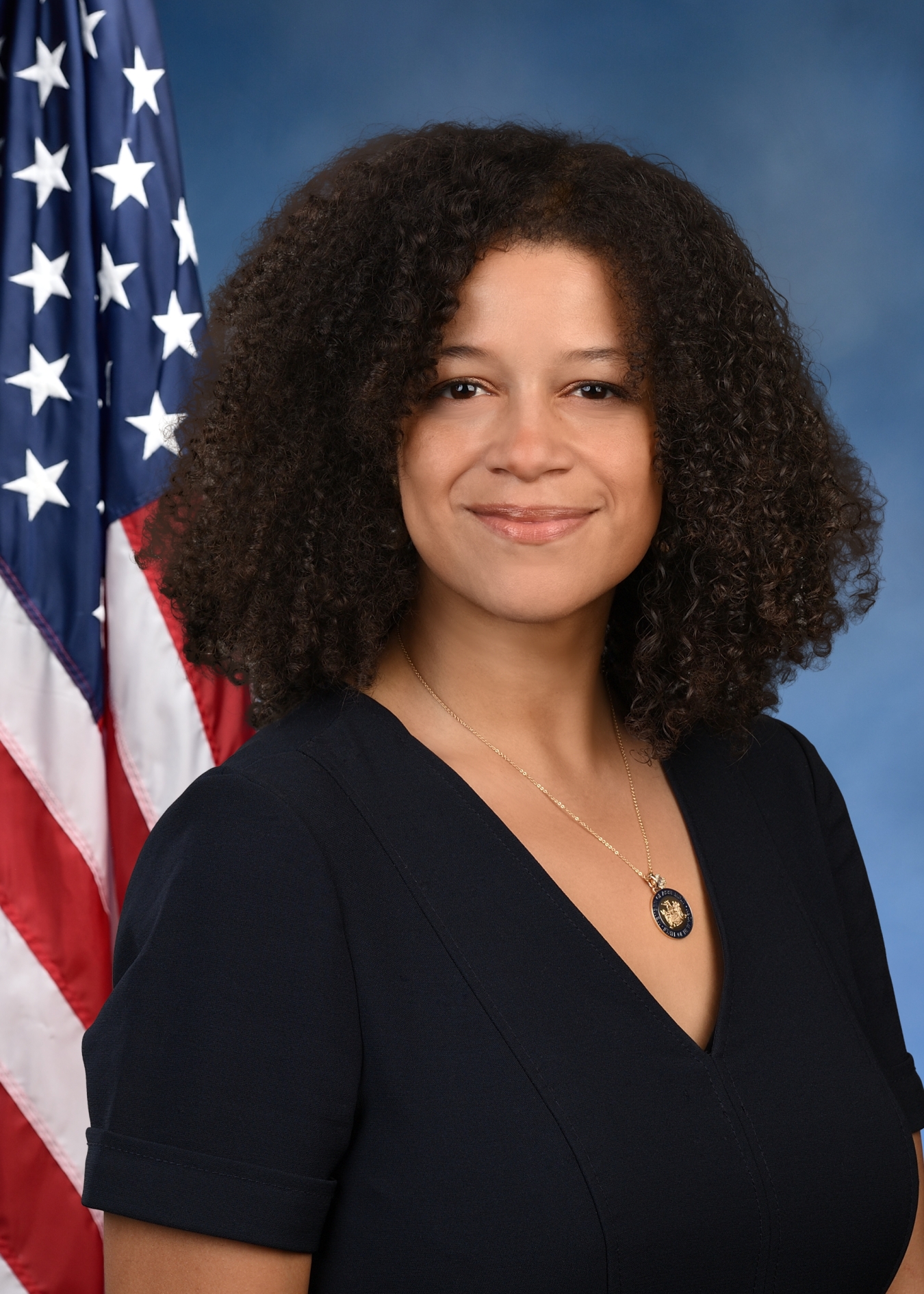
2025 Regular Session Introduced by Michaelle Solages

Prohibits county IDAs from offering incentives in municipalities that have their own IDA, avoiding overlap and protecting municipal programs.

REFERRED TO LOCAL GOVERNMENTS
0
WeVote Research Nonpartisan
Bill Summary · A 5258

Summary: Assembly Bill A 5258

Overview and Intent

  • Purpose: A 5258 would disallow county industrial development agencies (IDAs) from offering incentives in municipalities that already have their own industrial development agency. The aim appears to be to prevent overlap or duplication of incentives and to respect the authority of municipalities that operate their own IDAs.

Key Provisions (as stated by bill title and available information)

  • Prohibition: County IDAs would be prohibited from offering incentives within any municipality that has its own IDA.
  • Scope: The exact types of incentives covered (e.g., tax abatements, loans, grants, or other assistance) and enforcement mechanisms are not specified in the provided excerpt.
  • Interaction with municipal IDAs: The bill would establish a clear boundary between county-level incentives and municipal IDA activities in municipalities that run their own programs.

Note: The Version Content included with the bill text appears to relate to winery licenses and amendments to R.S.33:1-10, which is unrelated to the stated purpose of A 5258. The summary below focuses on the bill’s described objective (county IDA incentives in municipalities with their own IDA). If you have the actual text of A 5258, I can provide a line-by-line provision-by-provision summary.

Who Is Affected

  • Primary: County industrial development agencies (IDAs), which would be restricted from offering incentives in certain municipalities.
  • Secondary: Municipalities with their own IDAs (as they would retain authority over incentives within their borders, free from county-level overlapping incentives).
  • Beneficiaries/Stakeholders: Developers seeking incentives in municipalities with active municipal IDAs; local governments relying on IDA-based development strategies; state and regional economic development planners.

Procedural and Timeline Details

  • Introduced: February 10, 2025.
  • Sponsor: Michaelle C. Solages (primary).
  • Status: Referred to Assembly committees; specifically noted as REFERRED TO LOCAL GOVERNMENTS (with earlier reference to Assembly Oversight, Reform and Federal Relations as part of the referral chain).
  • Process: As of the latest status, the bill has moved through initial committee referrals and is pending consideration in Local Governments. There are companion/senate versions noted (S 4112; S 3159 as companions), indicating parallel tracks in the Senate.

Legislative Context and Related Measures

  • Related/Companion Bills: S 4112 (companion), S 3159 (companion), and prior-session A/S numbers listed (A 11029, A 6676, A 8326) suggest broader interest in regulating incentives across county and municipal IDAs.
  • Relationship to Local Governments: The referral to Local Governments aligns with the bill’s focus on the interaction between county IDAs and municipalities within local jurisdictions.

Potential Impacts and Considerations

  • Economic Development Strategy: If enacted, counties would need to adjust their incentive practices in municipalities already served by municipal IDAs, potentially reducing overall incentives available in those areas.
  • Competitiveness and Coordination: Might encourage better coordination between county and municipal agencies to avoid overlapping incentives, or potentially shift some development activity toward municipalities without their own IDAs.
  • Fiscal Effects: Specific fiscal impact is not provided in the available text; impact would depend on the value and number of incentives restricted or redirected.

If you’d like, I can await or incorporate the actual text of A 5258 to produce a more precise, provision-by-provision summary and identify any fiscal or regulatory mechanics (definitions, exemptions, enforcement, penalties).

Compiled from official sources — confirm details with the bill’s official record.

Sign in to ask a question.