

WeVote

Bill

Bill

S 7146

Relates to customer service access

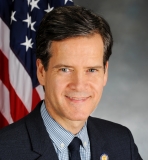
2025 Regular Session Introduced by Brad Hoylman-Sigal

S 7146 would establish customer service access standards to improve how businesses respond to consumers and expand accessibility.

REFERRED TO CONSUMER PROTECTION
0
WeVote Research Nonpartisan
Bill Summary · S 7146

Summary of bill S 7146 — Relates to customer service access

Note: The available information does not include the bill’s text or detailed provisions. The summary below reflects what is publicly known as of introduction and standard legislative processes. For precise language and obligations, the bill’stext and fiscal notes released by the sponsoring body should be consulted.

Overview

  • Bill number: S 7146
  • Title: Relates to customer service access
  • Purpose (as inferred from title): The bill appears to address standards or requirements related to customer service access. The exact scope, requirements, and definitions would be set forth in the bill’s text.
  • Status: Referred to the Consumer Protection committee (as of April 2, 2025).
  • Introduced: April 2, 2025
  • Primary sponsor: Brad Hoylman-Sigal
  • Related bills: S 7042 (prior-session)

What the bill does (as of now)

  • The only publicly available information indicates a focus on “customer service access.” Without the bill text, specifics such as which entities are covered (e.g., businesses, state agencies, or specific sectors), what access standards are imposed (contact methods, response times, multilingual support, accessibility for people with disabilities, etc.), and any penalties or enforcement mechanisms are not known.
  • The bill has been assigned to the Consumer Protection committee, suggesting that it would address consumer-facing service interactions and protections.

Who and what would be affected

  • Likely affected: Businesses and organizations that interact with consumers and provide customer service (e.g., support channels, accessibility of service, complaint processes). Consumers would be the beneficiaries in terms of improved access to service.
  • Government role: The Consumer Protection committee would review and amend the bill, potentially advancing it through the legislative process or proposing changes.

Procedural and timeline aspects

  • Current stage: Referred to the Consumer Protection committee. No further actions are listed in the provided material.
  • Next steps in typical process: The bill would typically receive committee hearings and votes, potential amendments, and then floor consideration in the chamber. If approved, it would move to the other legislative chamber and, after passage there, to the governor for signature or veto. Timelines depend on legislative calendars and committee action.
  • Duplicates noted: The legislative actions list includes the same referral date twice, which appears to be a duplicate entry.

Potential implications (forward-looking)

  • If enacted, the bill could establish standards or requirements intended to improve customer service accessibility and responsiveness.
  • Could influence how businesses design and manage their customer service channels (phone, email, chat, in-person support) and how they handle consumer inquiries and complaints.
  • Enforcement mechanisms, penalties, and effective dates would shape the bill’s impact, once the exact text is available.

Next steps for readers

  • Obtain the official bill text and any fiscal notes to understand:
    • The exact definitions (e.g., “customer service access,” covered entities, channels).
    • Specific requirements (response times, accessibility standards, multilingual support, etc.).
    • Exemptions, phased timelines, and enforcement provisions.
    • Effective date and any transitioning provisions.
  • Monitor committee hearings and floor votes for updates and potential amendments.
  • Review related bill S 7042 from the prior session for context on the policy approach.

Compiled from official sources — confirm details with the bill’s official record.

Sign in to ask a question.