

WeVote

Bill

Bill

A 10926

Relates to coverage for New Yorkers losing insurance due to the implementation of HR 1

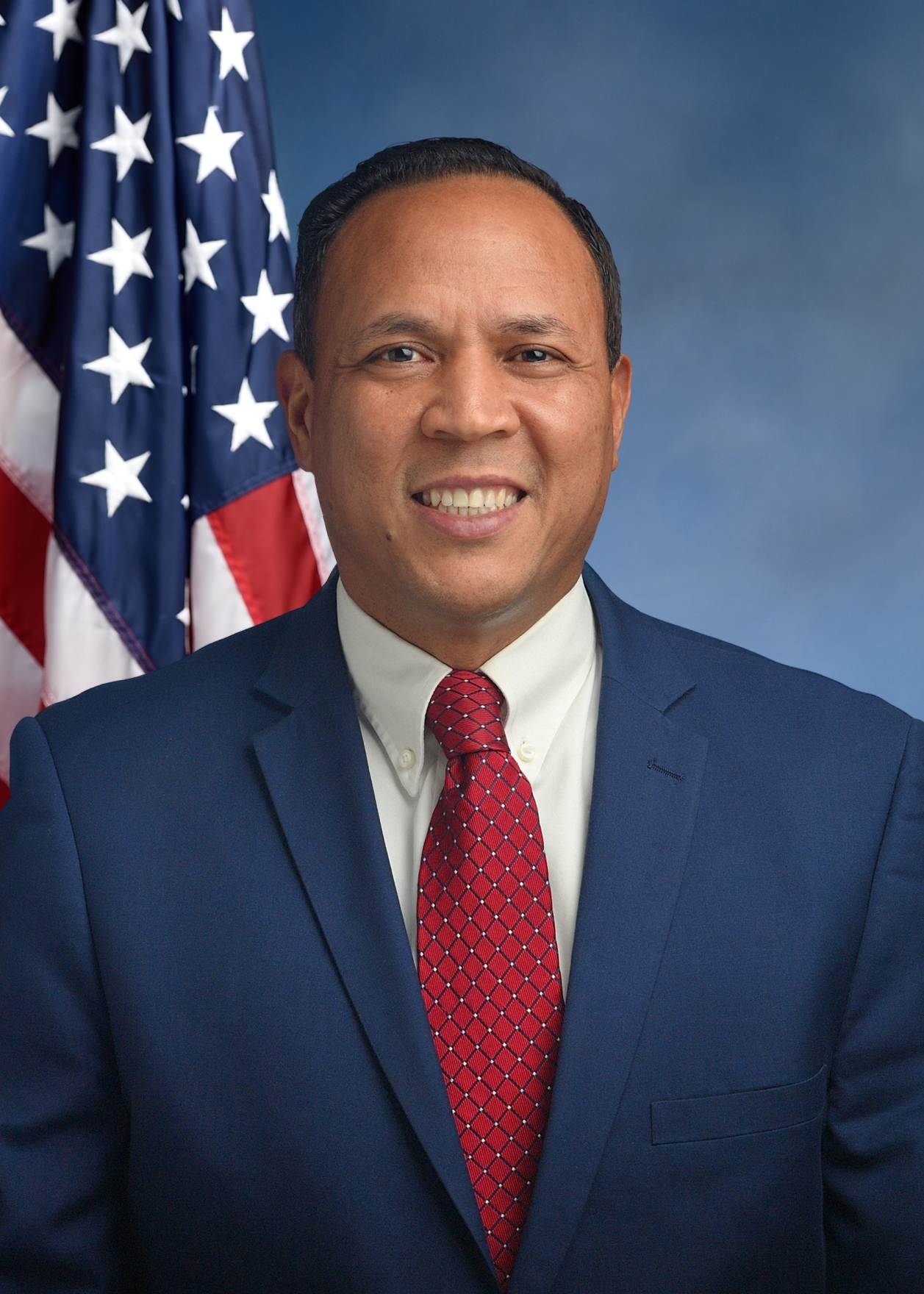
2025 Regular Session Introduced by George Alvarez and 73 co-sponsors

Establishes a New York state premium assistance program to substitute or supplement federal subsidies for lawfully present individuals ineligible due to immigration status, and exp

REFERRED TO HEALTH
3
WeVote Research Nonpartisan
Bill Summary · A 10926

Overview

  • Bill: A 10926
  • Session: 2025-2026
  • Jurisdiction: New York
  • Title: Relates to coverage for New Yorkers losing insurance due to the implementation of HR 1
  • Purpose: Establish a New York state premium assistance program to replace or supplement federal premium assistance for certain lawfully present individuals who lose insurance due to the implementation of federal HR 1, and expand eligibility for health coverage to a broader group using state funds.

Main Purpose and Intent

  • Create a State Premium Assistance Program to provide equivalent financial support to individuals who are lawfully present in the U.S. and who would be ineligible for existing federal subsidies (basic health program, premium tax credits, or cost-sharing reductions) due to immigration status.
  • Ensure continuity of health coverage for various affected groups regardless of federal funding availability, by enabling state-funded coverage expansions within the framework of the public health and social services laws.

Key Provisions and Changes

  1. New State Premium Assistance Program (Public Health Law)

    • Section 268-i adds a new program.
    • By January 1, 2027, the marketplace must establish and administer a state premium assistance program.
    • Target population: Individuals lawfully present in the United States who are ineligible for federal premium tax credits or cost-sharing reductions due to immigration status.
    • Benefit level: State program shall offer assistance equivalent to federal premium tax credits and cost-sharing reductions, scaled to enrollees’ incomes.
  2. Expanded Eligibility for State-Funded Health Coverage (Social Services Law)

    • Amends § 369-gg with new income-eligibility thresholds, mirroring and expanding prior thresholds, and maintaining several protections for special groups.
    • Core income framework:
      • General rule: Eligibility for state-funded health coverage for MAGI-eligible individuals generally at or below 200% of the federal poverty line, with a ceiling for higher-income subgroups as specified.
      • Special provisions for noncitizens: MAGI-eligible noncitizens lawfully present with income up to 133% FPL remain eligible if they would be ineligible for medical assistance due to immigration status.
      • Provisions subject to federal approval and use of state funds:
      • Some higher income brackets (up to 250% FPL or 133-250% in specific subparas) may receive coverage, contingent on federal approval and state funding.
      • A pregnant individual may continue to receive coverage during pregnancy and for one year after, regardless of income changes.
      • A child born to an eligible individual may be deemed eligible for a 1-year period from birth, treated as applying for medical assistance on birth date.
      • Individuals permanently residing in NY under color of law with income between 133% and 200% FPL may receive coverage regardless of federal funding availability.
      • Citizens or lawfully present individuals, or those permanently residing under color of law with income between 200% and 250% FPL may receive coverage regardless of federal funding.
  3. Premiums and Cost-Sharing (Social Services Law)

    • Section 369-gg, subdivision 5, clarifies premium payments and cost-sharing obligations.
    • Federal approval required for cost-sharing arrangements in most cases, but there shall be no cost-sharing for dental, vision, certain supports, and specific health services when using state-funded coverage.
  4. Trust Funds and Basic Health Program (Federal Funds)

    • Maintains and clarifies use of funds transferred from the federal government under 42 U.S.C. 18051(d) into a state trust.
    • Funds may be used to reduce premiums and cost-sharing, or for other federally permissible purposes related to health benefits and the Basic Health Program (BHP).

Who Would Be Affected

  • New Yorkers who lose employer-sponsored insurance or become ineligible for federal subsidies due to HR 1-related changes.
  • Lawfully present noncitizens with income up to specified thresholds who are currently ineligible for state or federal coverage.
  • Pregnant individuals and newborns, who receive extended or preserved coverage under pregnancy and post-partum periods.
  • Children born to individuals eligible for state-covered services.
  • People residing in New York under color of law (e.g., certain non-traditional statuses) who meet income criteria.
  • Individuals currently eligible for BHP or federal subsidies, as the state will implement parallel or bridging state-funded support.

Timelines and Procedural Details

  • Effective date: July 1, 2026.
  • State premium assistance program to be established by January 1, 2027.
  • Some program provisions hinge on federal approvals and the availability of state funds; certain sections explicitly reference the need for federal approval where applicable.
  • Implementation involves coordination between the marketplace (for premium assistance) and the Department of Health and/or Social Services for eligibility determinations and administration.

Potential Impacts

  • Increased health coverage access for immigrants and other populations not fully covered by federal subsidies.
  • Potential reduction in uncovered rates among New Yorkers affected by HR 1 implementation.
  • Added state financial commitment to health coverage, including possible use of state funds to expand eligibility up to 250% FPL in certain cases.
  • Complex coordination with federal funding and approvals; ongoing fiscal implications for the state budget and the health care exchange.

Note: This summary focuses on the substantive provisions and their practical effects as described in the bill text.

Compiled from official sources — confirm details with the bill’s official record.

Sign in to ask a question.