Summary — A.804 (Relates to consumer litigation funding)
Status: Returned to Assembly
Introduced: January 8, 2025
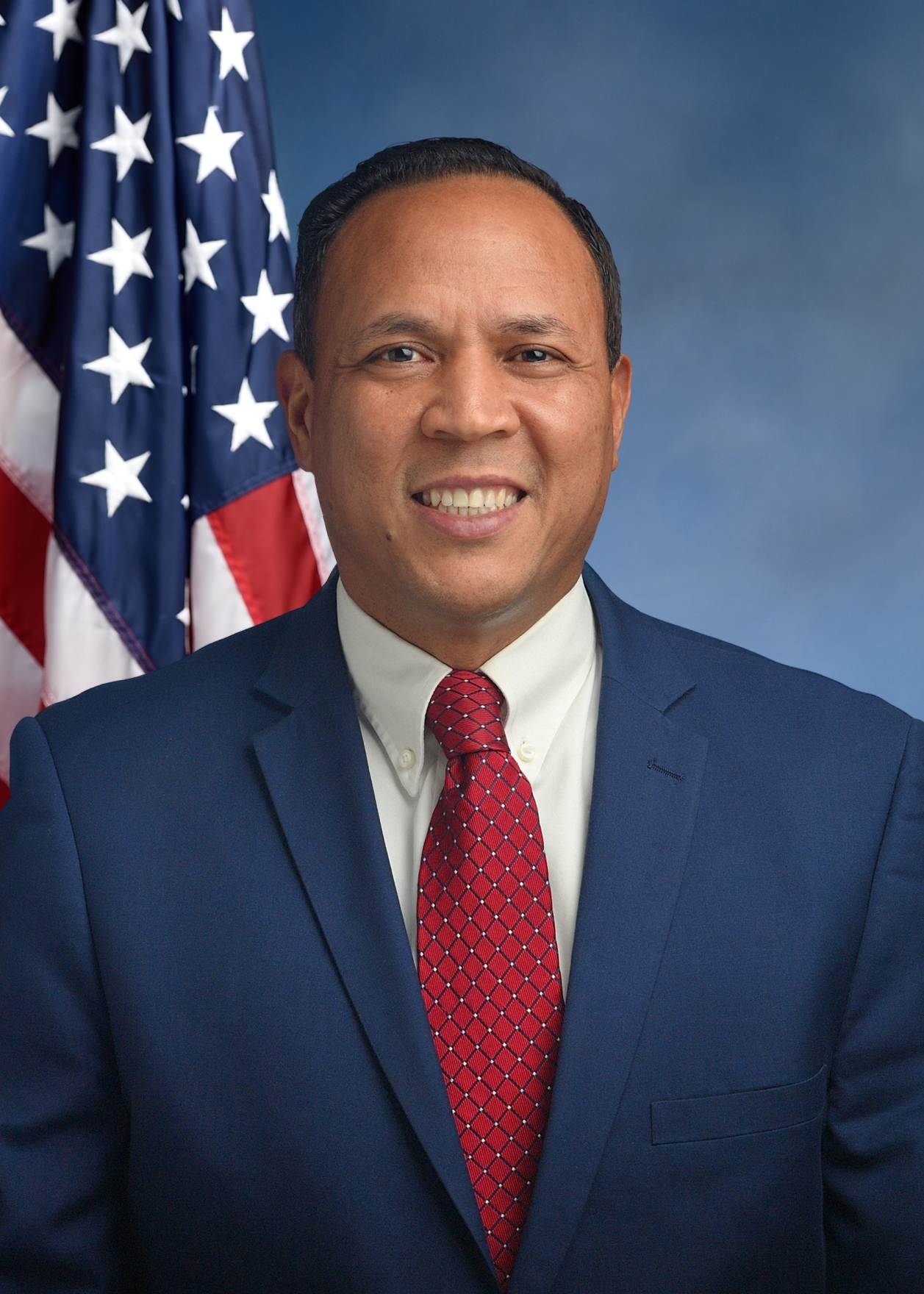
Primary sponsor: Assemblymember William Magnarelli
Cosponsors: Judy Griffin; Nader Sayegh; MaryJane Shimsky; Jo Anne Simon; Andrew Hevesi; Chantel Jackson; Chris Burdick; Amanda Septimo; Erik Dilan; Jessica Gonzalez‑Rojas; Deborah Glick; William Colton; Jaime R. Williams; George Alvarez; Latrice Walker; Phil Steck; Vivian Cook; Marianne Buttenschon; Al Taylor; Karines Reyes; Albert A. Stirpe; Jeffrey Dinowitz
Companion/related bills: S.1104 (companion), A.3225 (companion), A.7655 (prior session)
Print numbers: 804A, 804B, 804C
Purpose
A.804 is intended to regulate “consumer litigation funding” — transactions in which third parties provide funds to plaintiffs in pending or anticipated civil litigation in exchange for a share of future recoveries. The bill’s stated policy goal is to increase transparency and protect consumers (individual plaintiffs) from potentially unfair, opaque, or predatory financing arrangements.
Key provisions (overview)
The bill as reported and amended through multiple printings (804A, 804B, 804C) and committee referrals is focused on creating consumer protections and disclosure requirements for third‑party litigation funding (TPLF). Typical elements reflected in the bill’s title and legislative history include:
- Mandatory disclosures to consumers before execution: written notice of the amount advanced, fees, repayment terms, approximate effective interest rate or equivalent, and that the advance is nonrecourse.
- Clear statement of consumer rights, including any right to rescind within a specified period and whether the agreement affects attorney‑client privilege or settlement authority.
- Limitations or standards on fee structures and charges to avoid unconscionable or usurious terms (the bill may require disclosures framed to show the effective cost of the financing).
- Recordkeeping, licensing, or registration requirements for funders and/or a requirement to notify courts or opposing parties of the existence of a funding agreement in certain circumstances.
- Provisions addressing enforceability: agreements failing to meet disclosure or form requirements may be treated as voidable or unenforceable.
- Enforcement mechanisms: civil remedies, private cause of action, and/or state enforcement (Attorney General or regulator) with penalties for noncompliance.
- Protections to prevent funders from exercising control over litigation strategy or settlements that would prejudice the consumer.
Who would be affected
- Individual plaintiffs/consumers who seek or receive third‑party litigation financing.
- Litigation funders (third‑party investors and funding firms) who provide advances to claimants.
- Plaintiff attorneys and law firms (disclosure duties, conflicts considerations).
- Courts (may receive notices and deal with enforceability issues).
- Potentially insurers and defendants in litigation (indirectly, through notice or settlement dynamics).
Procedural history and next steps
- Referred to the Assembly Consumer Affairs and Protection Committee on 2025‑01‑08.
- Amended and recommitted multiple times (print numbers 804A, 804B, 804C) and reviewed by Codes and Ways & Means committees.
- Reported and ordered to third reading; passed the Assembly and was delivered to the Senate. It was substituted for S.1104A, passed the Senate (both houses recorded actions on 2025‑06‑09), and was returned to the Assembly—consistent with concurrence/technical/house‑of‑origin procedures. Current status: Returned to Assembly (awaiting any further concurrence, amendments, or final enrollment).
Potential impact
If enacted, A.804 would increase disclosure and consumer protections in litigation funding transactions and likely change market practices for funders operating in the state. Consumers would gain clearer information about costs and terms; funders would face compliance, possible registration/licensing duties, and limitations on contract enforceability if they fail to comply. The bill could affect litigation settlement dynamics and the availability or pricing of nonrecourse funding for plaintiffs.
Note
This summary is based on the bill title, sponsors and procedural history provided. For precise statutory language, exact disclosure text, enforcement penalties, or numeric limits (if any), consult the bill text (Print 804C) or legislative docket.