

WeVote

Bill

Bill

A 2014

Relates to collective bargaining rights for college athletes and authorizes the public employment relations board to exercise jurisdiction over collective bargaining matters

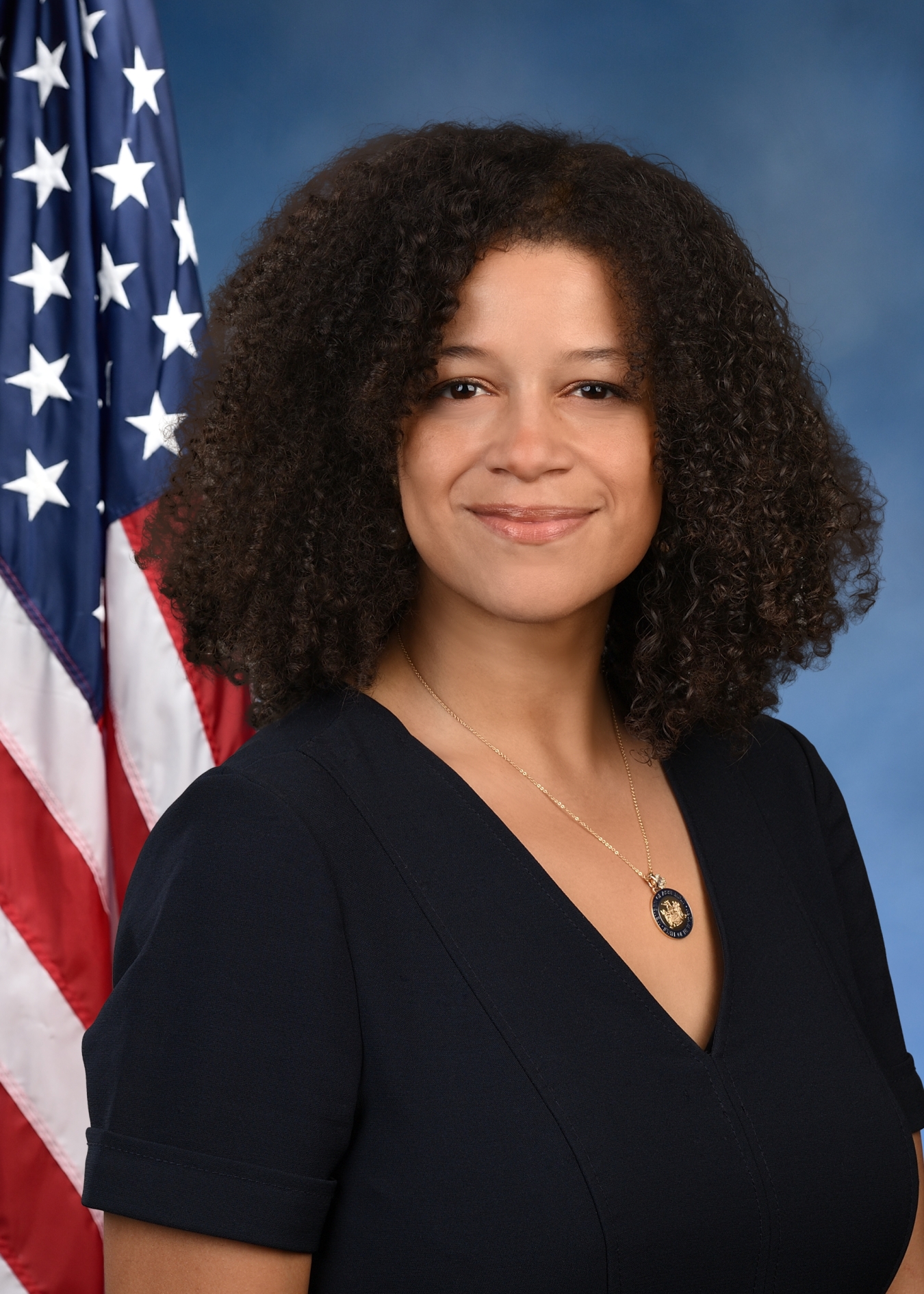
2025 Regular Session Introduced by Michaelle Solages

Bill A 2014 grants college athletes collective bargaining rights, recognizing them as employees, allowing them to negotiate for better pay, benefits, and working conditions.

REFERRED TO LABOR
0
WeVote Research Nonpartisan
Bill Summary · A 2014

Summary of Bill A 2014

Bill Number: A 2014
Title: Relates to collective bargaining rights for college athletes and authorizes the public employment relations board to exercise jurisdiction over collective bargaining matters
Status: Referred to Labor
Introduced: January 14, 2025
Classification: Bill

Purpose and Intent

Bill A 2014 aims to establish collective bargaining rights for college athletes, recognizing them as employees under state labor laws. The bill seeks to empower college athletes to negotiate terms related to their scholarships, benefits, and working conditions, thereby enhancing their rights and protections in the collegiate sports environment.

Key Provisions

  • Collective Bargaining Rights: The bill grants college athletes the ability to form unions and engage in collective bargaining with their respective colleges and universities. This would allow athletes to negotiate for better compensation, health benefits, and other employment-related issues.

  • Public Employment Relations Board (PERB) Jurisdiction: The bill authorizes the Public Employment Relations Board to oversee and adjudicate collective bargaining matters involving college athletes. This includes ensuring compliance with labor laws and resolving disputes between athletes and educational institutions.

  • Definition of College Athletes as Employees: The legislation explicitly defines college athletes as employees under state labor laws, which is a significant shift in the legal status of athletes participating in collegiate sports.

Affected Parties

  • College Athletes: The primary beneficiaries of this bill are college athletes who will gain formal recognition as employees, allowing them to advocate for their rights and negotiate better terms.

  • Colleges and Universities: Educational institutions will be required to engage in collective bargaining with athletes, which may lead to changes in how athletic programs are funded and managed.

  • Public Employment Relations Board: The PERB will take on additional responsibilities to oversee collective bargaining processes and ensure compliance with the new regulations.

Procedural Aspects

  • Current Status: As of January 14, 2025, the bill has been referred to the Labor Committee for further consideration.

  • Related Legislation: This bill is related to prior-session bills A 8153 and A 5099, as well as companion bill S 4760, indicating ongoing legislative interest in the rights of college athletes.

Conclusion

Bill A 2014 represents a significant step towards recognizing the rights of college athletes as employees, allowing them to engage in collective bargaining. If passed, it could transform the landscape of collegiate athletics by providing athletes with a platform to negotiate for fair treatment and compensation. The bill is currently under review by the Labor Committee, and its progress will be closely monitored by stakeholders in the education and sports sectors.

Compiled from official sources — confirm details with the bill’s official record.

Sign in to ask a question.