

WeVote

Bill

Bill

A 6537

Relates to automatic eligibility for early intervention services for children found to have elevated venous blood lead levels

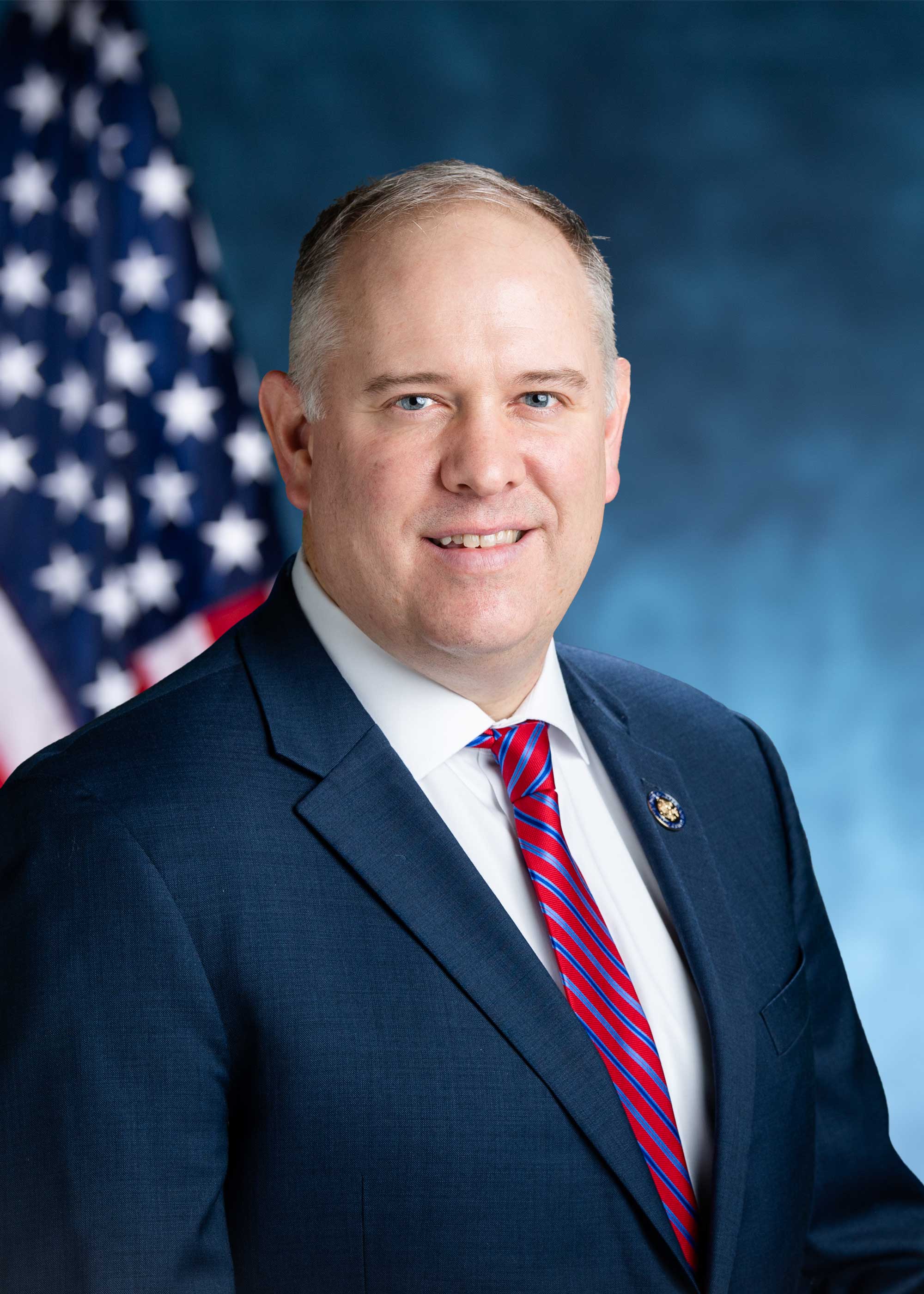
2025 Regular Session Introduced by Bill Conrad and 10 co-sponsors

Automatically grant eligibility for early intervention services to children with elevated venous lead levels, speeding access and cutting enrollment barriers for families.

REFERRED TO HEALTH
0
WeVote Research Nonpartisan
Bill Summary · A 6537

Bill Summary: A 6537 — Automatic Eligibility for Early Intervention Services for Children with Elevated Venous Blood Lead Levels

Overview

  • Bill Number: A 6537
  • Title: Relates to automatic eligibility for early intervention services for children found to have elevated venous blood lead levels
  • Status: REFERRED TO HEALTH
  • Introduced: March 5, 2025
  • Primary Sponsor: Karen McMahon
  • Cosponsors: MaryJane Shimsky, Alicia Hyndman, Andrew Hevesi, Dana Levenberg, Jessica Gonzalez-Rojas, Tommy Schiavoni, Maritza Davila, Rebecca Kassay, William Conrad, Jen Lunsford
  • Related/Companion Bill: S 5538 (Senate)

Purpose and Intent

The bill seeks to streamline access to early intervention services (EIS) for young children who are found to have elevated levels of lead in the blood. By establishing automatic eligibility, the measure aims to reduce barriers to enrollment, ensure earlier intervention, and support developmental health for affected children.

Key Provisions (as stated)

  • Automatic Eligibility for EIS: Children with elevated venous blood lead levels would be deemed automatically eligible for early intervention services, removing the need for separate, potentially protracted eligibility determinations.
  • Program Alignment: The bill is designed to align health findings (lead levels) with service eligibility to facilitate timely access to EIS.
  • Enrollment Process: While specific procedural details are not listed in the summary, the intent suggests a streamlined enrollment pathway triggered by lead level findings.
  • Coordination with Health Entities: Implicit emphasis on coordination between health authorities and early intervention programs to implement automatic eligibility (exact mechanisms not specified in the provided text).

Affected Parties and Impacts

  • Children: Young children who have elevated venous blood lead levels; would gain faster access to EIS.
  • Families/Caregivers: Potentially reduced administrative barriers and earlier supports for child development.
  • Early Intervention Programs: Would implement automatic eligibility processes, including referrals and intake workflows.
  • Public Health Entities: May need to establish protocols for documenting lead results and initiating automatic EIS enrollment.
  • Budget/Fiscal Implications: Not specified, but automatic eligibility could affect program enrollment dynamics and funding needs.

Procedural and Timeline Aspects

  • Status: In the Health committee stage (REFERRED TO HEALTH) as of introduction.
  • Legislative Actions: Referred to Health on March 5, 2025 (listed twice in the provided record, likely a duplication).
  • Companion Legislation: S 5538 in the Senate; indicates a parallel measure exists that may move concurrently.

Notes and Context

  • The bill’s language emphasizes automatic eligibility rather than creating a new eligibility determination process, signaling a shift toward presumptive access to EIS following the identification of elevated lead levels.
  • No specific lead-level threshold, implementation timeline, or funding provisions are provided in the summary. Those details would typically appear in the bill text and any accompanying fiscal notes.

Next Steps for Readers

  • Monitor committee action in Health for further movement, amendments, or hearings.
  • Review the companion Senate bill (S 5538) for parallel provisions and timing.
  • When the bill text and fiscal impact are released, assess the exact thresholds, enrollment timelines, funding sources, and any family notification requirements.

Compiled from official sources — confirm details with the bill’s official record.

Sign in to ask a question.