

WeVote

Bill

Bill

A 4378

Relates to authorizing grants for the implementation of the seal of civic readiness program

2025 Regular Session Introduced by Bill Conrad and 3 co-sponsors

Authorizes state grants to schools to implement the seal of civic readiness, funding curricula, assessments, and diploma recognition for students who meet civics criteria.

REFERRED TO EDUCATION
0
WeVote Research Nonpartisan
Bill Summary · A 4378

Bill A 4378 — Summary

Overview

  • Bill number: A 4378
  • Title: Relates to authorizing grants for the implementation of the seal of civic readiness program
  • Status: Referred to the Education Committee
  • Introduced: February 4, 2025
  • Sponsors:
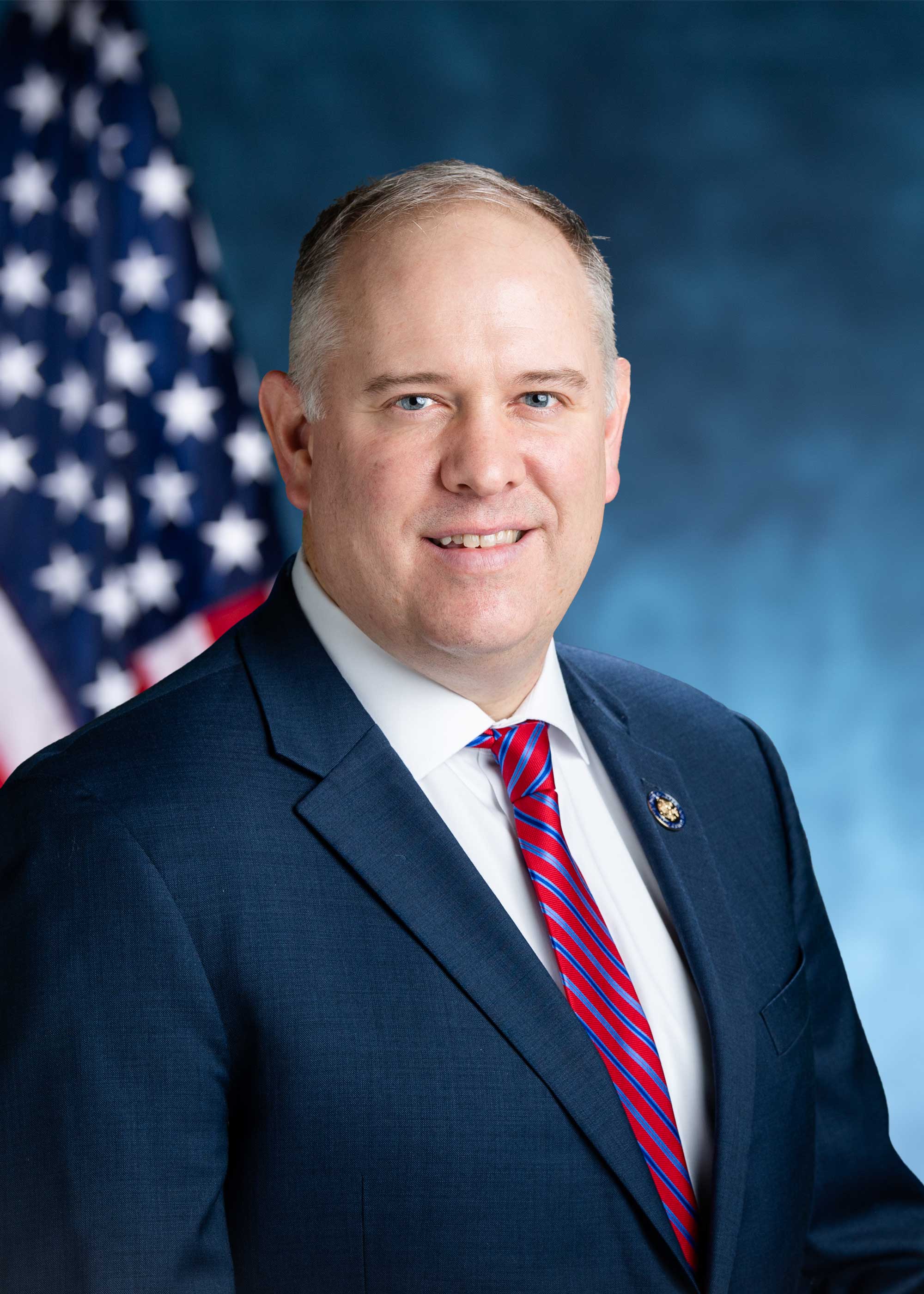
    • Primary: William Conrad
    • Cosponsors: Tony Simone, Rebecca Kassay, Karen McMahon
  • Related bills: A 4080 (prior-session); S 4456 (companion)

Purpose and intent

The bill would authorize the awarding of grants to support the implementation of the “seal of civic readiness” program. The core purpose is to provide financial assistance to schools to develop, integrate, and recognize student achievement in civic readiness, aligning with civics education and youth civic engagement goals.

Key provisions and changes (as described by the bill’s title and status)

  • Grant authorization: Establishes authority for the state Education Department (or equivalent agency) to issue competitive grants to eligible entities to implement the seal of civic readiness program.
  • Implementation support: Funds and guidance to help schools develop and adopt practices, curricula, assessments, or recognition mechanisms necessary to award the seal.
  • Eligibility and recipients (likely elements): The bill would typically specify which entities can apply (e.g., school districts, charter schools, and possibly BOCES or similar entities) and any eligibility criteria to participate in the grant program.
  • Program requirements (likely elements): Grantees would be expected to design and execute a plan that enables students to earn the seal, including alignment with state civics standards, assessment criteria, and criteria for recognition on diplomas or transcripts.
  • Reporting and evaluation: Grantees would likely be required to report on program implementation and outcomes, with potential state evaluation to assess effectiveness and scalability.
  • Administration and funding: Provisions would define how funds are distributed, oversight mechanisms, and any administrative responsibilities for the Education Department.
  • Effective date and duration: The bill would specify when grants begin and how long the program would run, subject to annual appropriation and any sunset provisions (if included in the final text).

Note: The exact statutory language, grant amounts, eligibility thresholds, reporting requirements, and any sunset provisions would be detailed in the bill text. This summary focuses on the substantive purpose implied by the bill’s title and status.

Who would be affected

  • Primary beneficiaries: Public and charter schools in New York State seeking to implement the seal of civic readiness for eligible students.
  • Students: Those enrolled in participating districts/schools who meet the program’s civic readiness criteria to receive the seal.
  • Administrators and educators: State- and local-level education officials responsible for grant administration, program integration, and assessment.
  • Educational entities: Potentially school districts, charter schools, and related organizations that would apply for and manage grant-funded activities.

Procedural and timeline aspects

  • Current status: Referred to the Education Committee, indicating initial consideration and potential for amendments before floor action.
  • Legislative path: After committee review, the bill would move to the floor for a full vote in the Assembly; if passed, it would advance to the Senate (or related cross-chamber process) per the state’s legislative calendar.
  • Next steps to watch: Committee reports, any amendments, fiscal notes or impacts, and eventual votes in both chambers. Related companion bills (S 4456) may move in parallel or coordinate with this measure.

Additional context

  • The related companion and prior-session bill A 4080 suggest ongoing interest in establishing a state-supported mechanism to recognize civic readiness, potentially reflecting broader civics-education initiatives. Monitor for how the grant framework interacts with existing civics standards and graduation recognition policies.

Compiled from official sources — confirm details with the bill’s official record.

Sign in to ask a question.