

WeVote

Bill

Bill

A 10596

Relates to a license to sell liquor at retail for consumption on certain premises

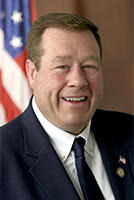
2025 Regular Session Introduced by Chris Tague

The bill relaxes or clarifies the licensing framework for on-premises retail liquor licenses, enabling more venues to offer on-site alcohol consumption.

PRINT NUMBER 10596A
0
WeVote Research Nonpartisan
Bill Summary · A 10596

Bill summary: A 10596 (2025-2026) — Relates to a license to sell liquor at retail for consumption on certain premises

Purpose and intent

  • The bill addresses the licensing framework for selling liquor at retail for on-premises consumption at specified locations. Its aim appears to modify or clarify the availability, scope, or terms of licenses allowing customers to consume alcoholic beverages on the licensed premises.

Key provisions and changes (as typically encompassed by this type of bill)

Note: The exact text of provisions is not provided here, but the bill’s title and typical content suggest the following areas are likely addressed:
- Establishment or modification of a retail liquor license that permits on-site consumption.
- Eligibility criteria for the license applicant (e.g., business type, location, compliance history).
- Operational requirements for license holders (hours of operation, serving rules, age verification, responsible alcohol service practices).
- Fee structure and renewal terms associated with the license.
- Conditions or restrictions tied to the license (e.g., distance limitations from schools or churches, capacity limits, signage, security measures).
- Enforcement provisions and penalties for violations.
- Relationship to local government approvals or local licensing processes (e.g., municipal consent).

Who would be affected

  • Retail liquor licensees seeking authorization to sell and permit on-premises consumption (e.g., bars, restaurants, tasting rooms, or other establishments with liquor service).
  • Prospective business applicants considering starting or converting to an on-premises liquor service operation.
  • Local governments and licensing authorities responsible for issuing or supervising the license.
  • Consumers who purchase liquor for on-site consumption at affected venues.

Procedural and timeline aspects

  • Legislative actions indicate steps in the process:
    • Referred to the Economic Development Committee on March 13, 2026.
    • Amended and recommitted to Economic Development on May 1, 2026.
    • Printing of amended bill as 10596A on May 1, 2026.
  • The placement in the Economic Development committee suggests a focus on regulatory reform, business development, and potential economic impact considerations.
  • As a proposed amendment or addition to the license framework, any final enactment would likely involve:
    • Possible transition provisions for existing licensees.
    • Effective date provisions outlining when the new licensing rules take effect.
    • Implementation guidance for licensing agencies and localities.

Practical implications and considerations

  • If enacted, the bill could affect:
    • The ease or difficulty of obtaining an on-premises liquor license.
    • Financial costs for license applicants (fees, potential capital requirements).
    • Compliance burden and regulatory oversight for licensees.
    • Local economic activity tied to hospitality and food service sectors.

If you can provide the bill text or a summary of its specific sections, I can tailor this further with precise provisions, numbers, dates, and any sunset or renewal conditions.

Compiled from official sources — confirm details with the bill’s official record.

Sign in to ask a question.