

WeVote

Bill

Bill

SB 6085

Reestablishing the underground economy task force.

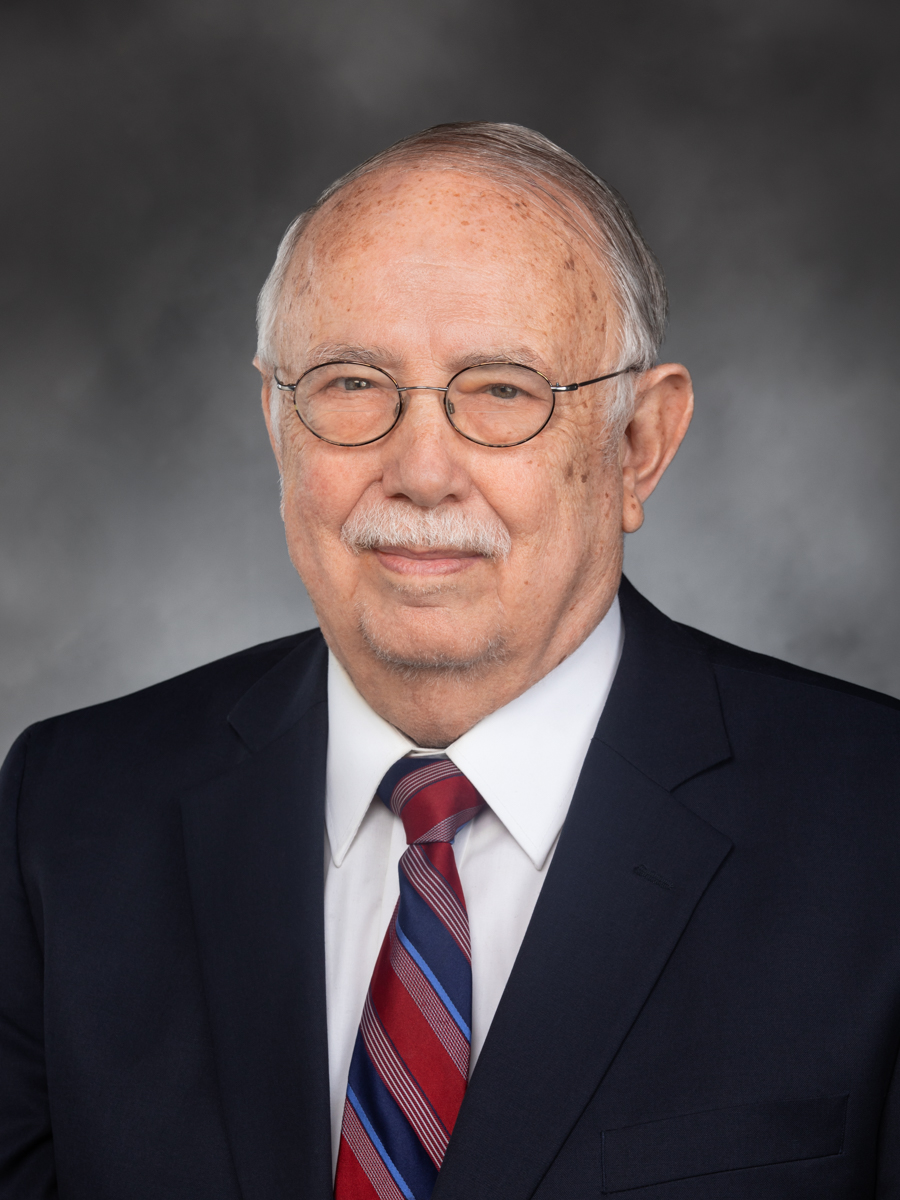
2023-2024 Regular Session Introduced by Steve Conway and 3 co-sponsors

Reestablishes a joint legislative task force to study WA’s underground construction economy and recommend policy changes to improve payroll tax compliance and agency coordination.

Public hearing in the Senate Committee on Ways & Means at 9:00 AM.
0
WeVote Research Nonpartisan
Bill Summary · SB 6085

Summary: Senate Bill 6085 (Reestablishing the Underground Economy Task Force)

Quick overview

  • Bill: SB 6085
  • Title: Reestablishing the underground economy task force
  • Purpose: Reestablish a joint legislative task force to study the underground economy within Washington state’s construction industry and recommend policy changes, including potential improvements in cross-agency transparency and coordination.
  • Status: Public hearing in the Senate Committee on Ways & Means (9:00 AM). Referred to Ways & Means after various committee actions in 2024.
  • Introduced: January 9, 2024
  • Legislature: Washington, 68th Legislature, 2024 Regular Session

What the bill does (main purpose and scope)

  • Recreates the joint legislative task force on the underground economy in the Washington state construction industry.
  • Defines the “underground economy” as construction work where payroll is unreported or underreported, resulting in nonpayment of payroll taxes to federal/state agencies, including workers’ compensation and unemployment taxes.
  • Task force’s objective: study the nature and scope of the underground economy and recommend policy changes as needed, including whether greater cohesion/transparency among state agencies is required.
  • May contract with the Institute for Public Policy (or another expert entity) to assist in determining the extent and costs to the state and workers.

Key provisions and structure

Task force composition

  • Members:
    • One member from each of the two largest caucuses of the Senate (appointed by the Senate President).
    • One member from each of the two largest caucuses of the House (appointed by the House Speaker).
    • Four members representing construction businesses (appointed jointly by the Senate President and the House Speaker; nominations from statewide construction business organizations).
    • Four members representing construction laborers (appointed jointly by the Senate President and the House Speaker; nominations from statewide labor organizations).
    • One representative from the state Attorney General’s Office.
  • Ex officio cooperation:
    • Employment Security Department, Department of Labor and Industries, and Department of Revenue will cooperate and each provide a liaison representative (nonvoting). These departments will supply information and data as requested.

Leadership, staffing, and funding

  • Chair or co-chairs will be chosen by the legislative members at the initial meeting.
  • Staff support provided by Senate Committee Services and the House of Representatives Office of Program Research; additional staff with relevant expertise may be hired within available funding.
  • Travel reimbursements:
    • Legislative members: per RCW 44.04.120.
    • Nonlegislative members (excluding employer/organization reps): per RCW 43.03.050 and 43.03.060.
  • Expenses: paid jointly by the Senate and House; subject to approval by the Senate Facilities and Operations Committee and the House Executive Rules Committee (or successor committees).

Timeline and expiration

  • Reporting deadline: The task force must report its findings and recommendations to the Legislature by October 31, 2025.
  • Expiration: The act section expires December 31, 2026.

Impacts and implications

  • Focuses policy attention on reducing the underground economy in construction, potentially affecting payroll reporting, tax collection, workers’ compensation, and unemployment tax compliance.
  • Aims to improve interagency data sharing and coordination among major state agencies involved in enforcement and taxation.
  • Could influence future legislation or administrative actions based on its findings and recommendations.
  • Costs and staffing are contingent on funding; the bill contemplates contracting for expert analysis and joint funding by the two legislative chambers.

Legislative history (highlights)

  • 2024-01-09: First reading; referred to Labor & Commerce.
  • 2024-01-23: Public hearing (Labor & Commerce).
  • 2024-01-29: Executive action in Labor & Commerce; LC – Majority; do pass; referred to Ways & Means; Minority positions noted (do not pass / without recommendation).
  • 2024-01-30: Referred to Ways & Means.
  • 2024-02-03: Public hearing scheduled in Ways & Means (9:00 AM).

Note: This summary focuses on the substantive provisions and procedural context as provided in the bill text and legislative actions up to the stated hearings.

Compiled from official sources — confirm details with the bill’s official record.

Sign in to ask a question.