

WeVote

Bill

Bill

HR 203

Red Light Act

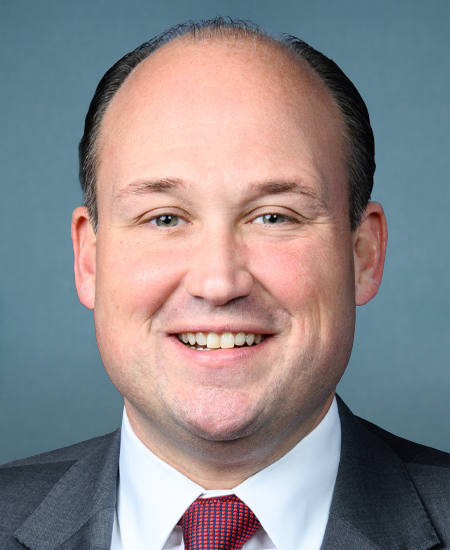
119th Congress Introduced by Nick Langworthy and 3 co-sponsors

The bill standardizes red-light violation enforcement nationwide, encouraging automated red-light cameras to improve road safety.

Referred to the Subcommittee on Highways and Transit.
0
WeVote Research Nonpartisan
Bill Summary · HR 203

Legislative bill overview

The Red Light Act (HR 203) proposes uniform national regulations on traffic signal compliance, particularly focusing on red-light running offenses. The bill aims to standardize the enforcement of red-light violations across states, potentially mandating the installation and use of automated enforcement technology such as red-light cameras. This legislation targets improving road safety by reducing accidents caused by vehicles running red lights through stricter and more consistent enforcement.

Why is this important

Red-light running is a significant traffic safety issue that leads to numerous accidents, injuries, and fatalities each year. By standardizing the enforcement mechanisms and encouraging the use of technology, the bill seeks to create safer intersections nationwide, reduce traffic violations, and ultimately save lives. Consistent enforcement could also provide clearer legal frameworks for both enforcement agencies and drivers.

Potential points of contention

  • Potential privacy concerns regarding automated enforcement technology and constant surveillance.
  • The risk of over-reliance on technology leading to errors or unfair penalties without adequate human oversight.
  • Disparities in the financial burden on municipalities required to implement and maintain automated enforcement systems.
  • Possible pushback from drivers and advocacy groups opposing what could be seen as a approach to traffic regulation.
  • Variability in local traffic conditions that may make a one-size-fits-all federal approach problematic or less effective.

Compiled from official sources — confirm details with the bill’s official record.

Sign in to ask a question.