

WeVote

Bill

Bill

HRES 1180

Recognizing the enduring cultural and historical significance of emancipation in the Nation's capital on the anniversary of President Abraham Lincoln's signing of the District of Columbia Compensated Emancipation Act, which established the "first freed" on April 16, 1862, and celebrating passage of the District of Columbia statehood bill in the House of Representatives.

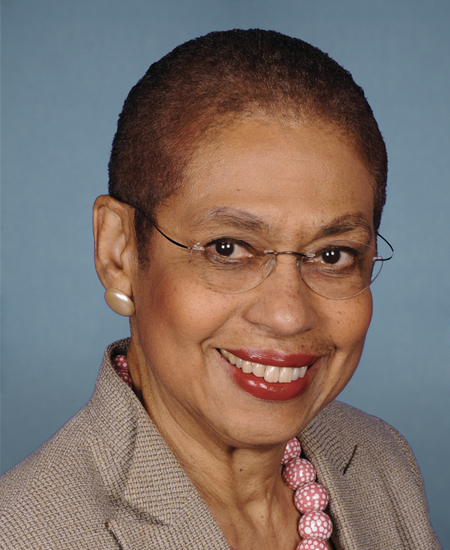
119th Congress Introduced by Eleanor Holmes Norton

The bill recognizes DC Emancipation Day and urges Congress to pass the DC statehood bill (DC Admission Act) to grant Washington, DC voting representation.

Submitted in House
0
WeVote Research Nonpartisan
Bill Summary · HRES 1180

Bill Summary: H.Res. 1180 (119th Congress, 2nd Session)

Title

Recognizing the enduring cultural and historical significance of emancipation in the Nation's capital on the anniversary of President Abraham Lincoln's signing of the District of Columbia Compensated Emancipation Act, which established the "first freed" on April 16, 1862, and celebrating passage of the District of Columbia statehood bill in the House of Representatives.

Purpose and Intent

  • Acknowledge the historical importance of emancipation in Washington, D.C., marking the signing of the District of Columbia Compensated Emancipation Act on April 16, 1862.
  • Celebrate and express support for the DC statehood movement, specifically the passage of the District of Columbia statehood bill in the House.
  • Emphasize DC’s unique constitutional status, including taxation and representation issues, and advocate for federal recognition of DC statehood via Congress.

Key Provisions

  • Formal recognition of District of Columbia Emancipation Day on April 16, linking the 1862 compensated emancipation in DC with broader emancipation milestones (including the Emancipation Proclamation in 1863 and the Thirteenth Amendment in 1865).
  • Statement that DC residents pay per capita federal taxes, serve in the armed forces, participate in citizenship requirements, and contribute to national life, yet lack voting representation in Congress and federal control over local governance—highlighting what the bill frames as a representation gap.
  • Recitation of prior Congressional actions:
    • DC statehood bills (DC Admission Act) have previously passed the House in 2020 and 2021 (H.R. 51, S. 51), with substantial bipartisan cosponsorship (206 for H.R. 51; 43 for S. 51).
  • Directive/Resolution:
    • The House is being asked to recognize DC Emancipation Day as a symbol of DC residents’ rights and freedoms.
    • The House is also called upon to pass the Washington, DC Admission Act (the DC statehood bill).

Who/What Would Be Affected

  • District of Columbia residents and the governance of Washington, DC, by highlighting the issue of representation and self-government in relation to DC’s status.
  • The legislative process related to DC statehood, potentially advancing or signaling support for federal action to grant DC statehood via Congress.

Procedural and Timeline Aspects

  • Status: Introduced in the House on April 15, 2026, by Rep. Eleanor Holmes Norton (co-sponsored by Rep. Norton). Referred to the Committee on Oversight and Government Reform.
  • No immediate policy changes or fiscal commitments are enacted by the resolution itself; rather, it serves as a formal expression of recognition and a call for action on DC statehood.
  • The resolution memorializes past events and advocates for legislative action (passage of the DC Admission Act) without altering DC law or federal appropriations.

Observations

  • This is a non-binding House resolution that commemorates historical events and explicitly urges Congress to pass the DC statehood bill.
  • It frames DC emancipation as a focal point in the broader narrative of civil rights and constitutional representation for DC residents.

If you’d like, I can compare this resolution to prior DC statehood legislation (H.R. 51, S. 51) or provide a plain-language brief suitable for general audiences.

Compiled from official sources — confirm details with the bill’s official record.

Sign in to ask a question.