

WeVote

Bill

Bill

HRES 1365

Recognizing Avoidant/Restrictive Food Intake Disorder (ARFID) as a serious feeding and eating disorder and acknowledging the urgent need to advance awareness, early identification, research, and equitable access to care.

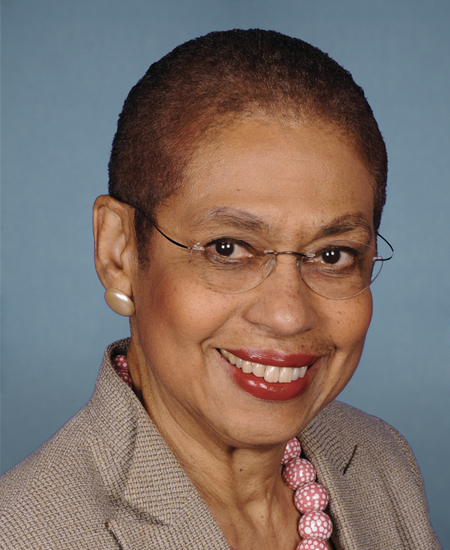
119th Congress Introduced by Eleanor Holmes Norton and 2 co-sponsors

ARFID is officially recognized as a serious eating disorder, with emphasis on awareness, early identification, research, and equitable access to care.

Submitted in House
0
WeVote Research Nonpartisan
Bill Summary · HRES 1365

Overview

House Resolution (HRES) 1365 (119th Congress) recognizes Avoidant/Restrictive Food Intake Disorder (ARFID) as a serious feeding and eating disorder. The resolution acknowledges the urgent need to improve awareness, early identification, research, and equitable access to care for ARFID. It is a non-binding measure that sets forth the sense of Congress regarding the importance of ARFID issues and related policy considerations.

Purpose and intent

  • Officially recognize ARFID as a serious eating disorder, highlighting its impact beyond traditional eating disorders like anorexia nervosa and bulimia.
  • Emphasize the importance of increasing public and professional awareness of ARFID among healthcare providers, schools, families, and communities.
  • Promote early identification and intervention to reduce health consequences and improve outcomes for individuals with ARFID.
  • Call for enhanced research efforts to understand ARFID’s prevalence, underlying causes, diagnostic criteria, and effective treatments.
  • Advocate for equitable access to care, addressing disparities that affect diagnosis, treatment availability, and affordability.

Key provisions and changes

  • Formal recognition by the House of Representatives that ARFID is a serious feeding and eating disorder warranting attention from policymakers, clinicians, researchers, and educators.
  • A statement of commitment to support efforts related to:
    • Awareness campaigns and education about ARFID for clinicians, educators, families, and individuals at risk.
    • Early screening and identification initiatives, particularly in pediatric and adolescent populations.
    • Research funding and collaboration to better understand ARFID’s epidemiology, etiology, diagnosis, and treatment modalities.
    • Improving access to evidence-based care, including multidisciplinary approaches involving medical, nutritional, and mental health professionals.
  • Encouragement of federal, state, and local entities, as well as private sector partners, to integrate ARFID considerations into relevant programs and policies.

Who is affected

  • Individuals with ARFID and their families, who may benefit from increased awareness, earlier diagnosis, and access to appropriate treatments.
  • Healthcare providers (pediatricians, psychiatrists, psychologists, dietitians, primary care clinicians) who may gain guidance on recognizing ARFID and referring for appropriate care.
  • Schools and educators who interact with children and may play a role in early identification and accommodations.
  • Researchers and funding agencies seeking to expand ARFID-related research.
  • Health policymakers and advocacy groups focused on eating disorders and child/adolescent health, who may use the resolution to support programs and funding.

Procedural and timeline aspects

  • The resolution was referred on June 11, 2026, to the House Committee on Energy and Commerce and, in addition, to the Committee on Education and Workforce, for consideration of provisions within their jurisdictions.
  • As a resolution, it does not attach new mandatory funding or create new statutory obligations; rather, it expresses the sense of Congress and can influence policy priorities, awareness campaigns, and potential future legislative or appropriations actions.
  • The action history indicates it was submitted in the House and advanced to committees for deliberation; subsequent steps would depend on committee actions and potential floor consideration.

Potential impact

  • Elevates ARFID within national health policy discussions and may spur targeted education, screening, and research initiatives.
  • Could influence federal funding decisions and the development of programs aimed at ARFID awareness and treatment access.
  • May catalyze collaborations among federal agencies, healthcare systems, and advocacy groups to address gaps in care and disparities.

Note: As a non-binding resolution, HRES 1365 articulates the intent and priorities of Congress rather than imposing new legal requirements or mandates.

Compiled from official sources — confirm details with the bill’s official record.

Sign in to ask a question.