

WeVote

Bill

Bill

SB 6297

Recognizing a court's authority to authorize a defendant's direct transfer from jail to inpatient or residential substance use disorder treatment.

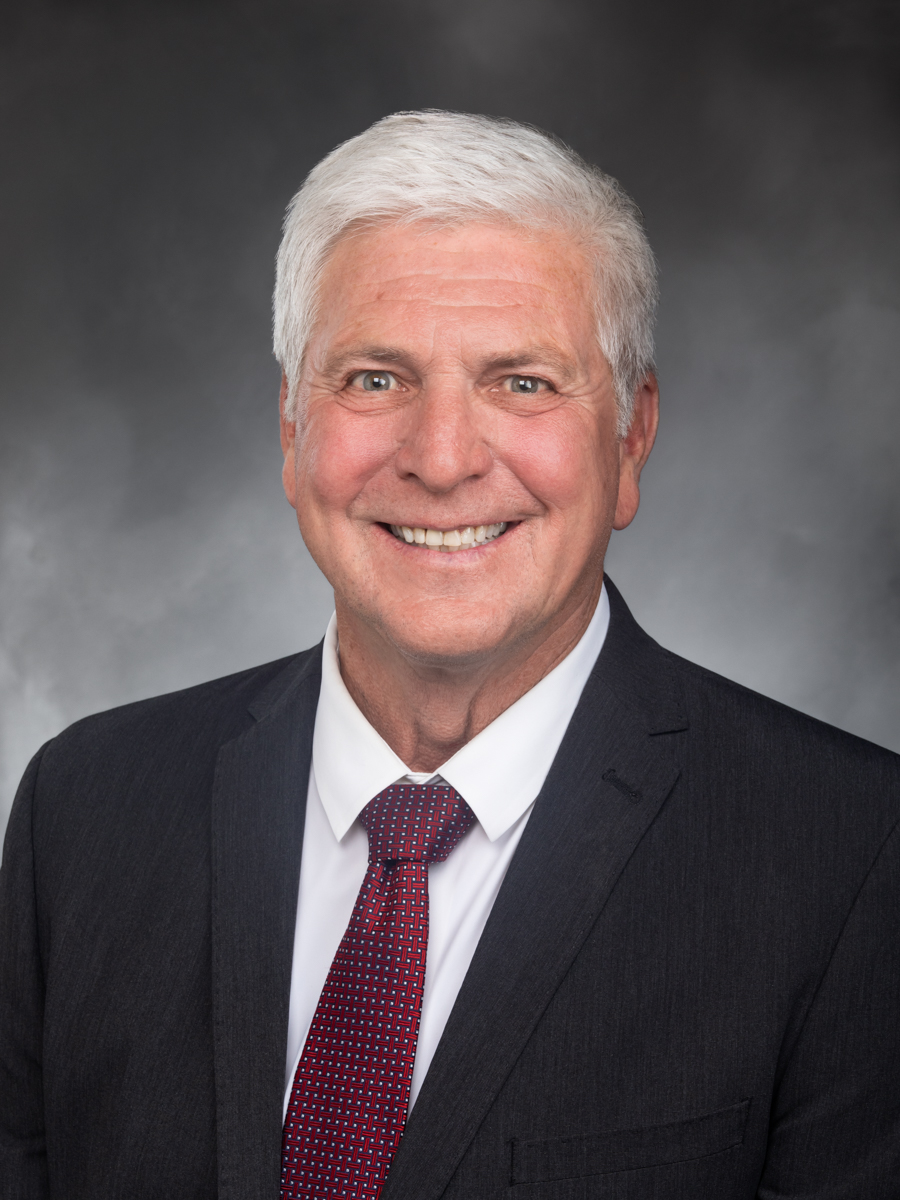
2023-2024 Regular Session Introduced by Perry Dozier and 1 co-sponsor

Washington bill authorizes courts to order jail-to-treatment transfers for substance use disorder, potentially reducing incarceration while addressing addiction-driven crime.

First reading, referred to Law & Justice.
0
WeVote Research Nonpartisan
Bill Summary · SB 6297

Legislative bill overview

SB 6297 clarifies that Washington courts have explicit authority to order defendants to transfer directly from jail custody into inpatient or residential substance use disorder (SUD) treatment facilities as part of sentencing or pre-trial conditions. The bill essentially codifies judicial power to redirect individuals struggling with addiction into treatment rather than keeping them incarcerated.

Why is this important

Substance use disorder is a significant driver of criminal justice involvement in Washington. By enabling direct court-ordered transfers to treatment, this bill could reduce incarceration costs, improve treatment outcomes by ensuring timely intervention, and address the underlying causes of criminal behavior rather than cycling people through the jail system repeatedly.

Potential points of contention

  • Treatment capacity and availability: Washington may lack sufficient SUD treatment beds to accommodate court orders, potentially creating bottlenecks where defendants remain in jail awaiting treatment placement
  • Public safety concerns: Critics may worry that prioritizing treatment over incarceration for certain offenders could compromise community safety, particularly for violent crimes or repeat offenders
  • Judicial discretion boundaries: Questions may arise about whether courts should have this broad discretionary power, or whether legislative restrictions should apply to specific offense types or defendant backgrounds

Compiled from official sources — confirm details with the bill’s official record.

Sign in to ask a question.