

WeVote

Bill

Bill

SB 156

Railroads - Required Crew for Movement of Freight

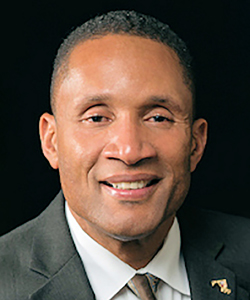
2026 Regular Session Introduced by Arthur Ellis

Maryland SB 156 requires minimum crew sizes for freight train operations, aiming to enhance safety and preserve railroad jobs while raising carrier operational costs.

Hearing 2/04 at 1:00 p.m.
0
WeVote Research Nonpartisan
Bill Summary · SB 156

Legislative bill overview

SB 156 would establish minimum crew size requirements for freight train movements in Maryland, likely mandating that freight trains operating within or through the state maintain specified numbers of crew members. This legislation would impose operational standards on railroad companies regarding personnel staffing during freight transport.

Why is this important

Crew size requirements directly affect railroad safety practices, worker employment levels, and operational costs for freight carriers. This intersects with ongoing national debates about rail safety, job preservation in the railroad industry, and the balance between safety regulations and transportation efficiency.

Potential points of contention

  • Economic impact on railroads: Mandated minimum crew sizes increase operational costs, which railroads argue may reduce service frequency, increase shipping costs passed to consumers, or incentivize automation and job losses
  • Safety versus efficiency trade-offs: Supporters argue larger crews improve safety and response capabilities; opponents question whether mandates are the most cost-effective safety approach and whether federal regulations already address crew adequacy
  • Interstate commerce concerns: States imposing unilateral crew requirements may face legal challenges regarding their authority to regulate interstate commerce and could create competitive disadvantages for Maryland-based carriers

Compiled from official sources — confirm details with the bill’s official record.

Sign in to ask a question.