Summary of HR 1027 - QUIET Act
Overview
The QUIET Act, formally known as the Quashing Unwanted and Interruptive Electronic Telecommunications Act, was introduced in the House of Representatives on February 5, 2025. The bill aims to address issues related to unwanted electronic communications, which can disrupt daily life and contribute to information overload.
Purpose and Intent
The primary purpose of the QUIET Act is to establish regulations that would reduce the frequency and impact of unsolicited electronic communications, such as robocalls, spam emails, and other forms of intrusive telecommunications. The intent is to create a more manageable communication environment for individuals and businesses alike.
Key Provisions
While the full text of the bill has not been detailed in the introductory remarks, the following key provisions are anticipated based on the bill's title and intent:
- Regulation of Unsolicited Communications: The bill is expected to impose stricter regulations on the sending of unsolicited electronic communications, potentially including penalties for violators.
- Consumer Protections: It may enhance consumer protections by providing individuals with more control over their communication preferences and the ability to opt-out of unwanted solicitations.
- Enforcement Mechanisms: The bill could establish enforcement mechanisms to ensure compliance with the new regulations, possibly involving fines or other penalties for non-compliance.
Affected Parties
The QUIET Act would primarily affect:
- Consumers: Individuals who receive unsolicited communications would benefit from reduced interruptions and enhanced control over their communication preferences.
- Businesses: Companies that engage in telemarketing or electronic communications would need to adapt their practices to comply with the new regulations.
- Telecommunications Providers: Service providers may be required to implement new technologies or practices to help identify and block unwanted communications.
Legislative Process and Timeline
- Introduced: February 5, 2025
- Referred to Committee: The bill was referred to the House Committee on Energy and Commerce on the same day it was introduced.
- Sponsor Remarks: Initial remarks by the bill's sponsors were made on February 6, 2025.
Sponsors
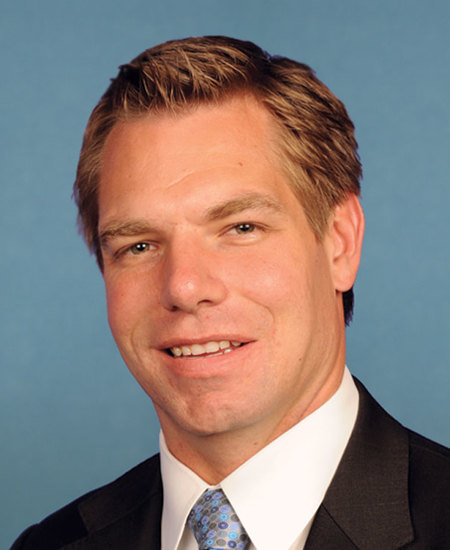
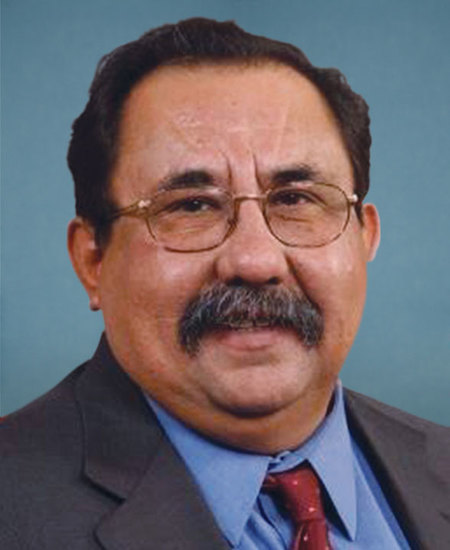
The bill is sponsored by Eric Sorensen and has multiple cosponsors, including:
- Eric Swalwell
- Kristen McDonald Rivet
- Zachary Nunn
- Thomas R. Suozzi
- Juan Ciscomani
- Sarah McBride
- Eleanor Holmes Norton
- Brian K. Fitzpatrick
- Jefferson Van Drew
- Ted Lieu
- Melanie A. Stansbury
- Darren Soto
Conclusion
The QUIET Act represents a legislative effort to mitigate the impact of unwanted electronic communications on consumers and businesses. As it progresses through the legislative process, further details regarding specific provisions and regulatory measures are expected to emerge.





Start the Conversation
Be the first to share your thoughts on this petition. Your voice matters!