

WeVote

Bill

Bill

AB 1390

Public school governance: board member compensation.

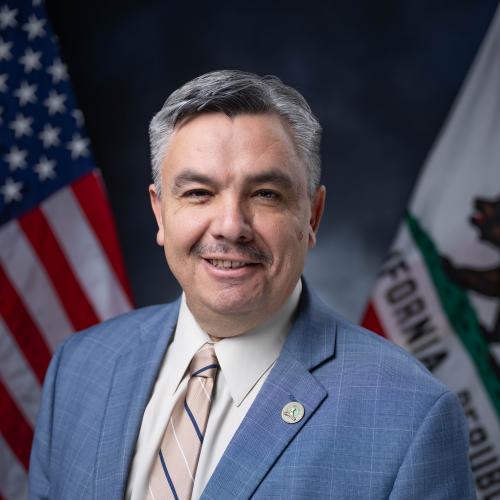
2025-2026 Regular Session Introduced by Juan Carrillo and 3 co-sponsors

California law now allows school districts to compensate board members, addressing recruitment barriers but raising budget and equity concerns about directing funds away from classroom spending.

Chaptered by Secretary of State - Chapter 639, Statutes of 2025.
0
WeVote Research Nonpartisan
Bill Summary · AB 1390

Legislative bill overview

AB 1390 authorizes California school districts to compensate school board members for their service, establishing a framework that was previously prohibited or severely limited. The bill allows districts to determine compensation levels within statutory parameters while maintaining local control over implementation decisions.

Why is this important

School board positions have traditionally been volunteer roles, which can create barriers for working-class candidates who cannot afford unpaid service. Enabling compensation could increase board diversity and accessibility, though it also increases district operational costs that may impact classroom funding depending on budget availability.

Potential points of contention

  • Budget trade-offs: Resources allocated to board compensation cannot be used for classroom instruction, teacher salaries, or student services, raising equity concerns about spending priorities
  • Compensation amounts and oversight: Without clear statewide compensation caps or standards, districts could pay vastly different amounts, potentially creating inequitable public spending and incentivizing excessive compensation
  • Voter/community acceptance: Rural and suburban communities may oppose compensation as unnecessary spending on what has been a volunteer civic duty, potentially affecting board election dynamics

Compiled from official sources — confirm details with the bill’s official record.

Sign in to ask a question.