

WeVote

Bill

Bill

HB 33

Public drinking water; Commissioner of Health's work group to study occurrence of microplastics.

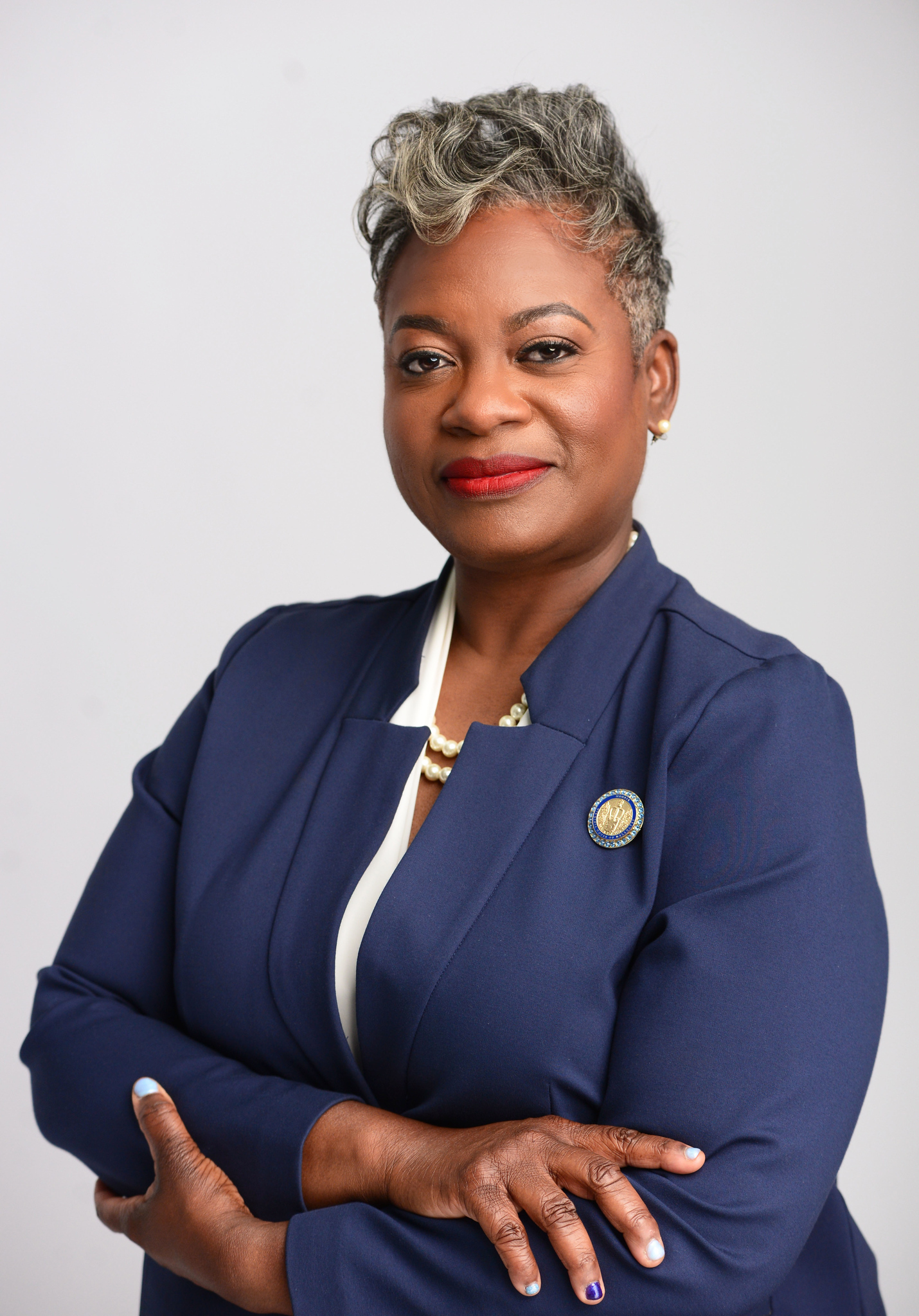
2025 Regular Session Introduced by Bonita Anthony and 29 co-sponsors

Virginia bill establishes health commissioner work group to study microplastics in public drinking water and report findings to legislature.

Left in Rules
0
WeVote Research Nonpartisan
Bill Summary · HB 33

Legislative bill overview

HB 33 directs Virginia's Commissioner of Health to establish a work group tasked with studying the occurrence and health impacts of microplastics in public drinking water systems. The bill requires the work group to examine current contamination levels, potential sources, and treatment options, then report findings to the legislature.

Why is this important

Microplastics—tiny plastic particles from degraded consumer products, synthetic textiles, and industrial processes—have been detected in drinking water supplies nationwide and globally, raising public health concerns that remain incompletely understood. This study could inform future water quality standards, treatment requirements, and consumer protection policies in Virginia, while contributing to the national understanding of an emerging contaminant.

Potential points of contention

  • Regulatory cost implications: Identifying microplastics as a problem may obligate water systems to invest in expensive treatment technology and monitoring infrastructure
  • Scientific uncertainty: Health effects of microplastics ingestion remain under investigation; the bill may create regulatory pressure before causation is definitively established
  • Implementation timeline: The bill has stalled in committee since 2024, suggesting possible resistance or deprioritization among legislative leadership despite bipartisan sponsorship

Compiled from official sources — confirm details with the bill’s official record.

Sign in to ask a question.