

WeVote

Bill

Bill

HB 162

Public campaign financing; counties and cities may establish for certain offices.

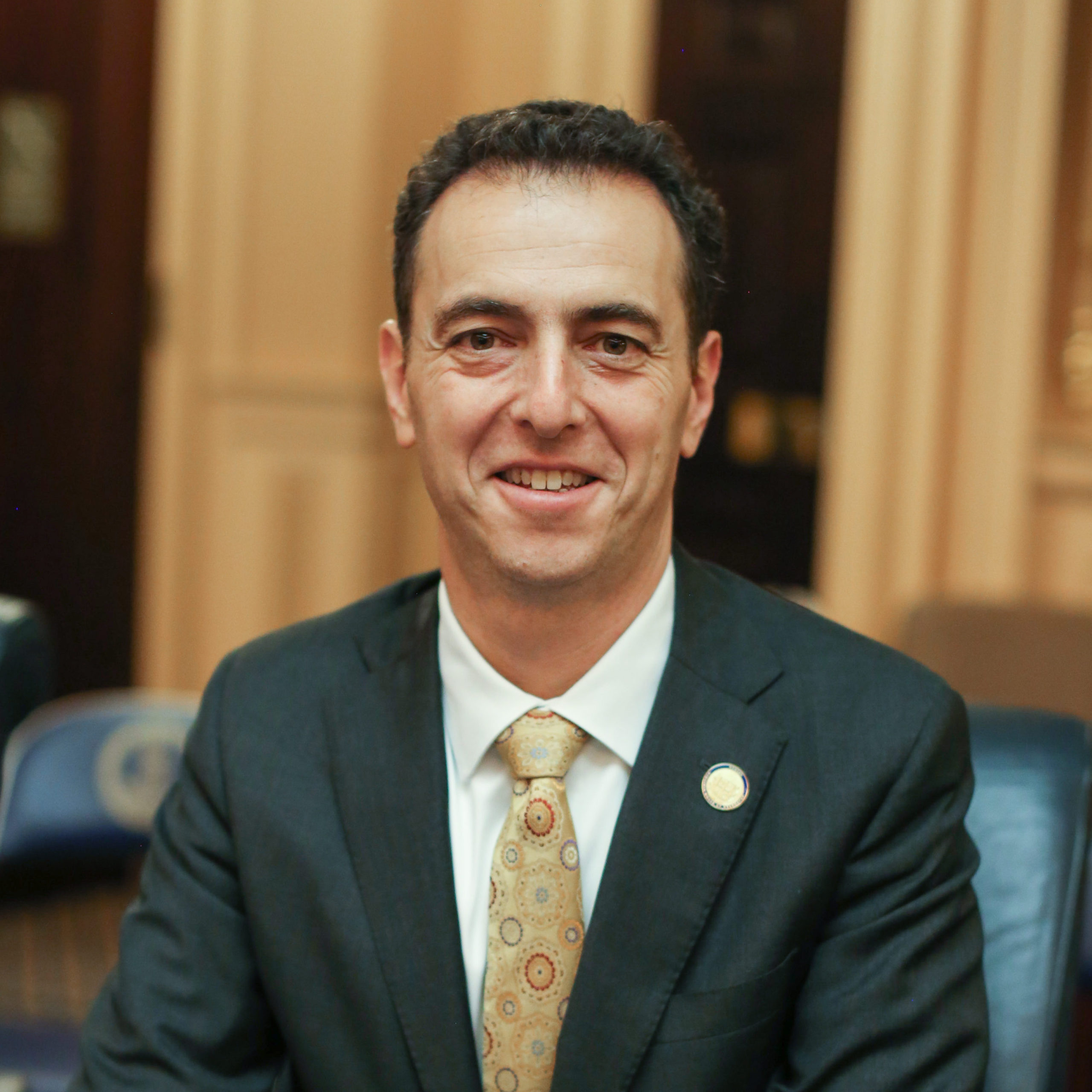
2026 Regular Session Introduced by Marcus Simon

Virginia bill permits counties and cities to voluntarily establish public campaign financing programs for local offices to reduce private donor dependence.

Fiscal Impact Statement from Department of Planning and Budget (HB162)
0
WeVote Research Nonpartisan
Bill Summary · HB 162

Legislative bill overview

HB 162 authorizes Virginia counties and cities to establish public campaign financing systems for certain local offices. The bill grants municipalities the discretionary power to create government-funded election programs rather than mandating a statewide system. This represents a local-option approach to reducing candidate reliance on private donations.

Why is this important

Campaign financing directly affects who can run for office and whom elected officials may feel obligated to after taking office. By enabling local public financing, the bill could lower barriers to entry for candidates without personal wealth or fundraising networks, potentially increasing candidate diversity. It also addresses concerns about the influence of large donors on local decision-making regarding zoning, contracts, and development.

Potential points of contention

  • Fiscal responsibility: Public financing requires taxpayer funding; localities must decide if campaign costs justify public expenditure versus other budget priorities
  • Implementation challenges: Counties and cities would need to establish eligibility criteria, contribution limits, and enforcement mechanisms, creating administrative complexity and inconsistency across jurisdictions
  • Effectiveness questions: Whether public financing actually reduces corruption or donor influence, or simply adds costs without meaningful behavioral change

Compiled from official sources — confirm details with the bill’s official record.

Sign in to ask a question.