

WeVote

Bill

Bill

HB 1553

Providing for responsible environmental management of batteries.

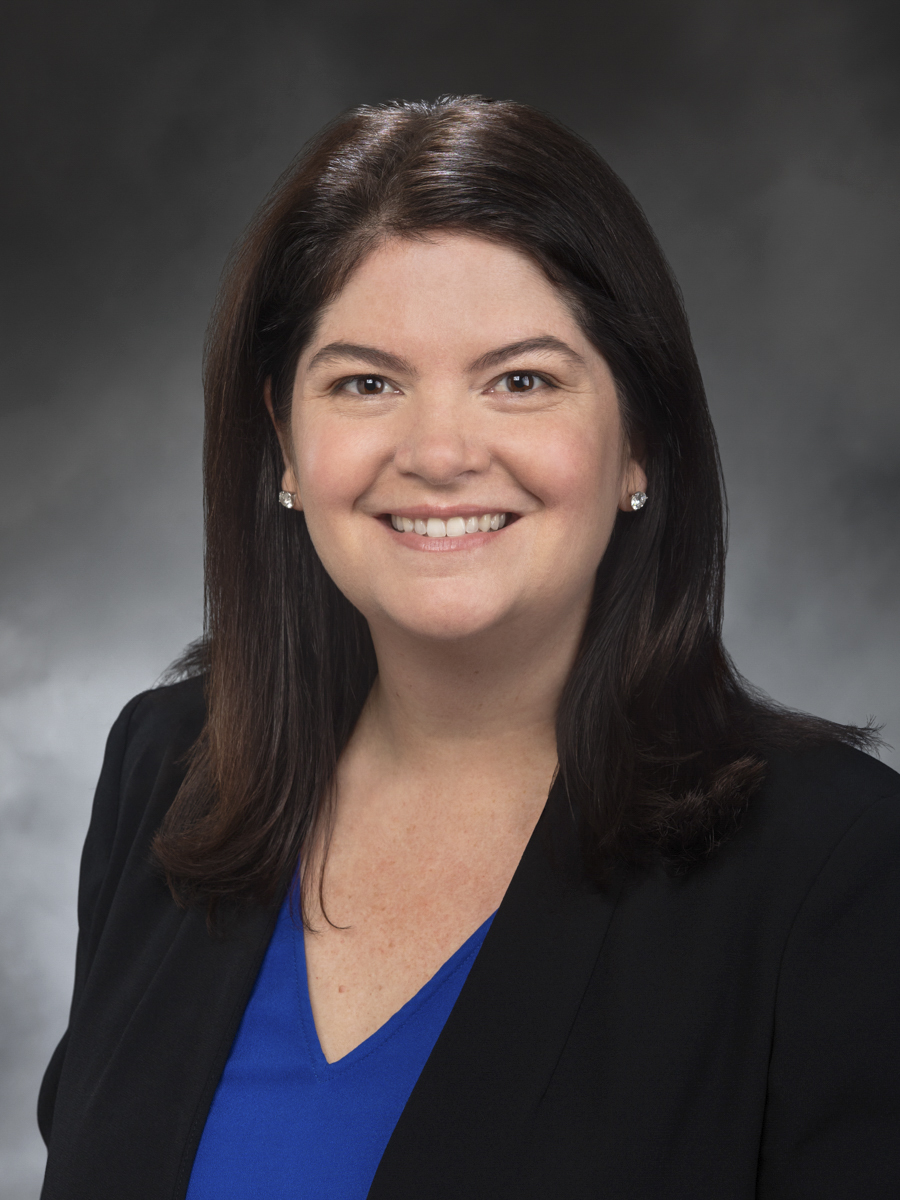
2023-2024 Regular Session Introduced by Liz Berry and 12 co-sponsors

Requires universal free breakfast and lunch for all K-12 students (public and participating nonpublic), funded by a $140M legacy earnings transfer for 2025–27.

By resolution, reintroduced and retained in present status.
0
WeVote Research Nonpartisan
Bill Summary · HB 1553

Summary — HB 1553 (North Dakota): School meal funding for all students & legacy earnings fund amendment

Status: Introduced Dec 9, 2024; Second reading — failed to pass (yeas 14, nays 75)

Bill citation: Amends and reenacts NDCC §§ 15.1‑07‑38 and 21‑10‑13. Sponsors: Representatives Hager, Brown, Christy, Holle, Longmuir, Mitskog, Novak, Schreiber‑Beck, Schneider; Senators Hogan, Marcellais.

Main purpose

HB 1553 would (1) require that public schools and nonpublic schools offer breakfast and lunch to all students at no cost, and (2) revise how earnings from North Dakota’s legacy fund are allocated — including a specific transfer to the Department of Public Instruction to support universal free meals — and (3) appropriate funds to implement the program.

Key provisions

  • Amend NDCC 15.1‑07‑38 (school meals policy)

    • Requires a school district (and nonpublic schools) to offer breakfast and lunch to all students at no cost.
    • Requires schools to adopt and publish a school meals policy. The bill lists prohibitions and protections including:
    • Schools may not deny a USDA‑reimbursable meal to a student who requests one (absent written parental permission).
    • Schools may not serve an alternative meal, remove already‑served food, identify or stigmatize students receiving free/reduced/full‑price meals, or limit student participation in activities due to unpaid meal balances.
    • Schools may contact parents/guardians about unpaid meal debt; sealed parent letters may be delivered via student but must not stigmatize the child.
    • Encourages schools to adopt policies that promote enrollment in federal free/reduced meal programs.
  • Amend NDCC 21‑10‑13 (legacy earnings fund transfers)

    • Reaffirms creation of the legacy earnings fund and defines the appropriation formula (amount available = 7% of five‑year average legacy assets).
    • Prescribes a prioritized distribution on July 1 of each odd‑numbered year from the amount available for appropriation:
    • Up to $102,624,000 (or amount equal to Legacy sinking & interest appropriated for debt service) to legacy sinking & interest fund.
    • $225,000,000 to the general fund for tax relief.
    • $100,000,000 to the legacy earnings highway distribution fund.
    • $140,000,000 to the Department of Public Instruction’s operating fund for school meals (i.e., the proposed universal free meals).
    • Remaining amounts split: 50% to the general fund and 50% to the strategic investment and improvements fund.
    • If transfers exceed the amount allowable, excess distribution is specified 50/50 to general fund and strategic fund.
  • Appropriation (Section 3)

    • Appropriates $140,000,000 (from DPI operating fund, not otherwise appropriated) to the Superintendent of Public Instruction to provide grants to school districts to defray expenses of providing free meals to all students (biennium July 1, 2025 – June 30, 2027).
    • Superintendent required to develop grant guidelines and reporting requirements.

Who would be affected

  • All K‑12 students in public and participating nonpublic schools (by receiving meals at no cost).
  • School districts and nonpublic schools (operational changes, grant administration, policy adoption, reporting).
  • State fiscal accounts and programs funded via the legacy earnings fund (redistribution priorities would shift $140M expressly to school meals in the biennium).
  • State taxpayers indirectly, through use of legacy earnings for the listed purposes.

Fiscal & implementation notes

  • The bill directs a $140 million appropriation for the 2025–2027 biennium to cover grants for universal free school meals.
  • The legacy fund distribution amendment embeds the $140 million allocation into the on‑going transfer schedule (subject to availability under the 7% appropriation rule).
  • Superintendent must issue grant guidelines and reporting requirements; implementation would be tied to grant awards and DPI administration.

Procedural / timeline

  • Introduced Dec 9, 2024.
  • Appropriation language targets the biennium beginning July 1, 2025 and ending June 30, 2027.
  • Legislative status reported: second reading failed to pass (yeas 14, nays 75). The bill did not become law in the reported session.

(End of summary)

Compiled from official sources — confirm details with the bill’s official record.

Sign in to ask a question.