

WeVote

Bill

Bill

HJRES 160

Providing for congressional disapproval under chapter 8 of title 5, United States Code, of the rule submitted by the Bureau of Consumer Financial Protection relating to the withdrawal of the rule relating to "Consumer Financial Protection Circular 2024-04: Whistleblower Protections Under CFPA Section 1057".

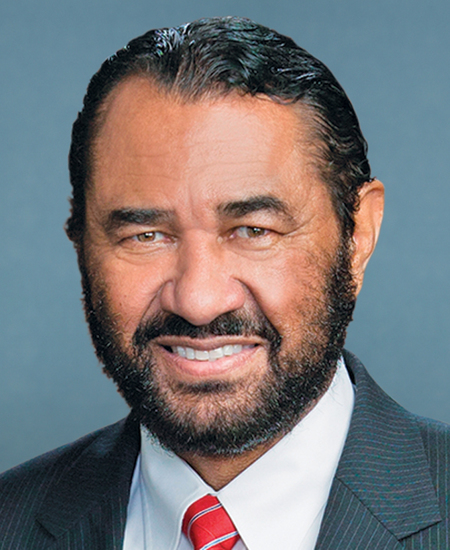
119th Congress Introduced by Al Green

Disapproves and nullifies the BCFP’s withdrawal of Consumer Financial Protection Circular 2024–04, restoring the whistleblower protections under CFPA Section 1057.

Introduced in House
0
WeVote Research Nonpartisan
Bill Summary · HJRES 160

Summary: H.J.Res.160 (119th Congress) — Congressional Disapproval of BCFP Rule Withdrawal

Purpose

  • This joint resolution uses the congressional disapproval procedure under chapter 8 of title 5, United States Code (the Congressional Review Act framework), to disapprove a specific Bureau of Consumer Financial Protection (BCFP) rule withdrawal.
  • Specifically, it targets the BCFP’s withdrawal of the rule described as “Consumer Financial Protection Circular 2024–04: Whistleblower Protections Under CFPA Section 1057.”

Key Provisions and Changes

  • The bill states Congress disapproves of the BCFP rule withdrawal identified as:
    • The withdrawal of the rule associated with “Consumer Financial Protection Circular 2024–04: Whistleblower Protections Under CFPA Section 1057.”
  • Upon enactment (i.e., passage and presidential approval), the rule is rendered void and has no force or effect.
  • It asserts the rule withdrawal was proposed under CFPA Section 1057 and provides the reference points:
    • Original rule: 89 Fed. Reg. 65170 (August 9, 2024)
    • Withdrawal rule: 90 Fed. Reg. 20084 (May 12, 2025) (as cited in the bill)
  • The mechanism is purely discretionary: Congress is disapproving the rule and its withdrawal, not altering CFPA jurisdiction or other unrelated authorities.

Who/What Is Affected

  • The direct regulatory effect is on the BCFP rule withdrawal for the whistleblower protections under CFPA Section 1057.
  • If enacted, the disapproval would nullify the withdrawal and reinstate any protections or rules as they stood prior to the withdrawal, but within the scope of the text, it primarily negates the withdrawal action itself.
  • Affected parties could include:
    • Whistleblowers and employees under CFPA provisions seeking protections.
    • Financial institutions and entities regulated by the CFPA that would be subject to whistleblower-related enforcement dynamics.
    • The Bureau of Consumer Financial Protection, which would be compelled to maintain or reissue the original rule framework consistent with the disapproval.

Procedural and Timeline Aspects

  • Introduced in the House on April 30, 2026 by Rep. Al Green (co-sponsored by Green).
  • Referred to the House Committee on Financial Services on the same day.
  • The resolution follows the Congressional Review Act pathway, which typically allows Congress to pass a joint resolution of disapproval to overturn a federal agency rule, often with a simple majority in both chambers and limited presidential discretion (subject to political feasibility and potential presidential veto).
  • If enacted, the rule withdrawal would be nullified and the disapproved rule would have no force or effect.

Notes

  • This summary reflects the text as introduced; the bill’s fate depends on committee action, floor consideration, and potential passage by both chambers and signature (or a veto override).
  • The bill does not amend CFPA text itself but uses the disapproval process to reverse a specific agency withdrawal action.

Compiled from official sources — confirm details with the bill’s official record.

Sign in to ask a question.