

WeVote

Bill

Bill

A 3213

Provides that where the commissioner of health assumes the responsibility for the transportation of medicaid recipients in rural areas, existing public transportation systems shall be used

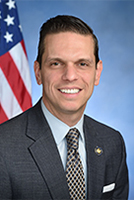
2025 Regular Session Introduced by Angelo Santabarbara

If the Health Department takes over rural Medicaid transport, it must use existing public transit systems to move patients.

REFERRED TO HEALTH
0
WeVote Research Nonpartisan
Bill Summary · A 3213

Summary of Assembly Bill A 3213

Overview

  • Bill Number: A 3213
  • Title: Provides that where the commissioner of health assumes the responsibility for the transportation of Medicaid recipients in rural areas, existing public transportation systems shall be used
  • Primary Sponsor: Angelo Santabarbara
  • Status: REFERRED TO HEALTH
  • Introduced: January 23, 2025
  • Related/Companion Bills: S 3086 (companion); related prior-session bills include S 6755, S 4533, S 2918, S 2234, A 4097

Purpose and Intent

  • The bill would require that if the New York State Commissioner of Health takes on responsibility for transporting Medicaid recipients in rural areas, that transportation be provided through existing public transportation systems.
  • Intent appears to be to coordinate Medicaid transport with already-established public transit networks, potentially avoiding creation of new, stand-alone transportation services and leveraging local transit assets.

Key Provisions (as indicated by the title)

  • Conditional framework: The requirement applies specifically when the commissioner of health assumes responsibility for Medicaid recipient transportation in rural areas.
  • Use of public systems: Transportation for Medicaid patients must utilize existing public transportation systems (e.g., local buses, paratransit, rail services, etc., as defined by the state’s public transit agencies).
  • Coordination emphasis: Implies a coordination role between the health department and public transit authorities to implement transportation under this framework.

Note: The available information does not include the full text, so the summary reflects the bill’s stated objective and likely operational implications based on the title.

Affected Parties and Impacts

  • Medicaid Recipients in Rural Areas: Potential changes in how their non-emergency medical transportation is provided, with reliance on local public transit networks.
  • New York State Department of Health: Responsible for implementing transportation alignments if/when it assumes this transportation duty.
  • Public Transportation Agencies: Could see increased utilization, potential need for service adjustments, scheduling coordination, and possible changes to funding streams.
  • Local Governments and Rural Communities: Impacts depend on public transit capacity and coverage in rural areas.
  • Healthcare Providers: May need to coordinate patient transport through public transit channels rather than private transportation contractors.

Procedural and Timeline Aspects

  • Introduction and Referral: January 23, 2025, referred to the Health Committee.
  • Status indicates active consideration within the Health committee; no floor action or enactment date provided in the available information.
  • Related bills suggest ongoing interest in aligning Medicaid transportation with public transit, including a companion bill S 3086.

Fiscal and Operational Considerations

  • Potential cost implications include shifting transportation responsibilities from private vendors to existing public transit systems, which could affect purchasing, contracts, and funding allocations.
  • Service levels in rural areas would depend on the capacity and reach of existing public transit; scheduling flexibility and accessibility (e.g., for people with disabilities) would be important considerations.
  • Implementation would likely require memoranda of understanding (MOUs) or formal coordination agreements between the Department of Health and public transit agencies.

Notes for Stakeholders

  • If enacted, rural Medicaid transportation programs would be integrated with public transit offerings, emphasizing coordination and use of current transit assets.
  • Stakeholders should monitor updates from the Health Committee for details on implementation, funding, and any accompanying regulatory or administrative actions.

Compiled from official sources — confirm details with the bill’s official record.

Sign in to ask a question.