

WeVote

Bill

Bill

A 2181

Provides lead service line identification for certain water systems

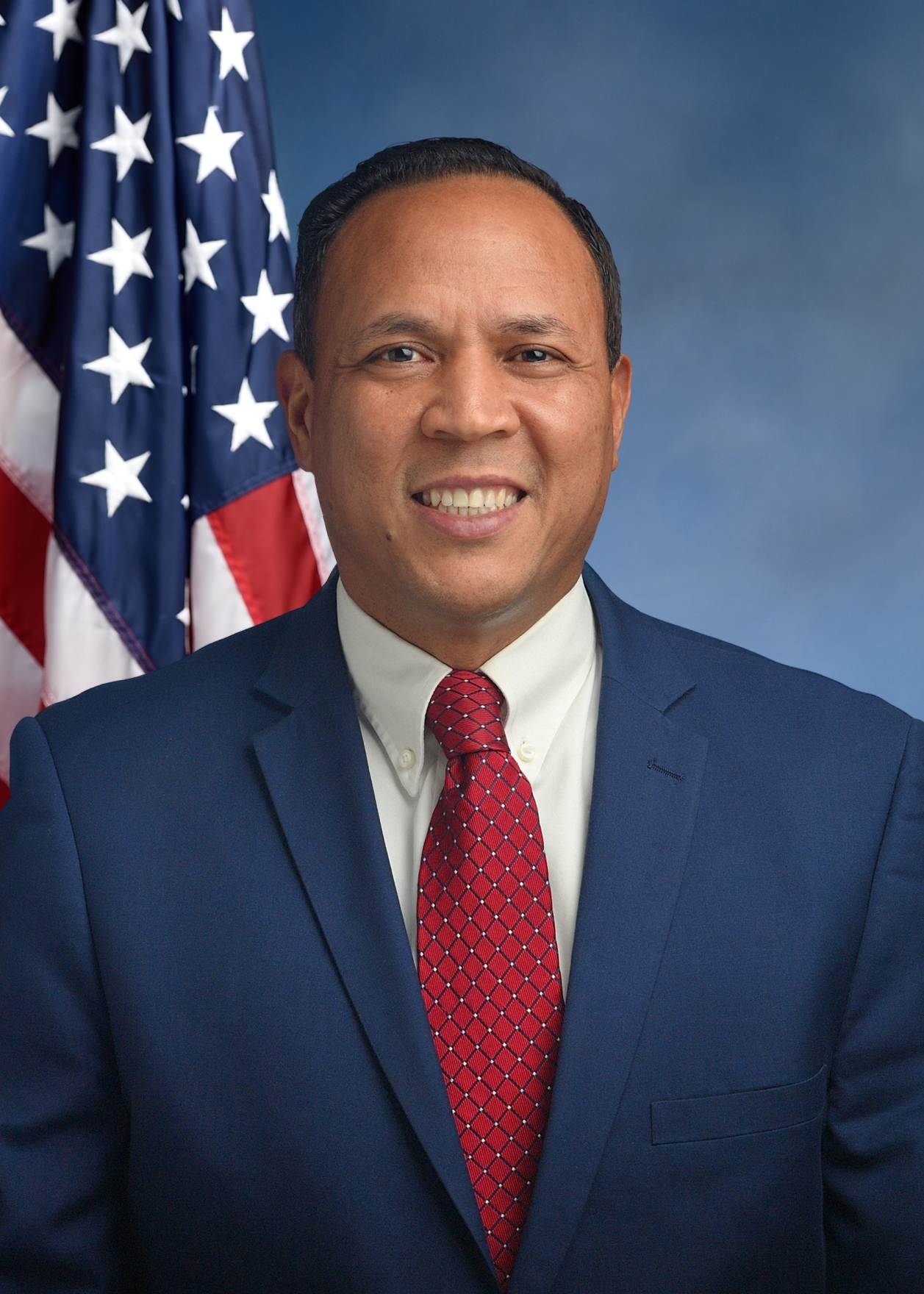
2025 Regular Session Introduced by George Alvarez and 78 co-sponsors

Bill A 2181 requires water systems to identify lead service lines, enhancing public health by raising awareness and ensuring safer drinking water for affected communities.

REFERRED TO HEALTH
0
WeVote Research Nonpartisan
Bill Summary · A 2181

Summary of Bill A 2181

Bill Number: A 2181
Title: Provides lead service line identification for certain water systems
Status: Referred to Health
Introduced: January 15, 2025
Classification: Bill

Purpose and Intent

Bill A 2181 aims to enhance public health and safety by requiring the identification of lead service lines in specific water systems. The intent is to address the risks associated with lead exposure from drinking water, particularly in communities where older infrastructure may still contain lead piping.

Key Provisions

  • Identification Requirement: The bill mandates that certain water systems conduct assessments to identify the presence of lead service lines. This includes both public and private water systems serving residential areas.

  • Reporting: Water systems will be required to report their findings to the relevant health authorities. This data will help in understanding the extent of lead service line usage and its potential impact on public health.

  • Timeline for Compliance: The bill outlines a timeline for water systems to complete the identification process and submit their reports. Specific deadlines will be established to ensure timely action.

  • Public Awareness: The bill encourages water systems to inform residents about the presence of lead service lines and the associated health risks, promoting transparency and community engagement.

Who Would Be Affected

  • Water Systems: Public and private water systems that serve communities will be directly impacted by the requirements of this bill. They will need to allocate resources for the identification process and reporting.

  • Residents: Communities served by these water systems, particularly those in older neighborhoods where lead pipes may still be in use, will benefit from increased awareness and potential remediation efforts.

  • Health Authorities: Local and state health departments will play a crucial role in overseeing compliance and utilizing the data collected to inform public health initiatives.

Procedural Aspects

  • Current Status: As of January 15, 2025, the bill has been referred to the Health Committee for further consideration.

  • Related Legislation: This bill is related to prior-session Bill A 10311 and has a companion bill, S 3581, which may address similar issues or provide additional context.

Conclusion

Bill A 2181 represents a proactive approach to identifying and addressing lead service lines in water systems, with the ultimate goal of protecting public health. By requiring systematic identification and reporting, the bill seeks to mitigate the risks associated with lead exposure in drinking water.

Compiled from official sources — confirm details with the bill’s official record.

Sign in to ask a question.